Repair TipsLocal Guides
Why is my water bill suddenly so high in Houston
A sudden Houston water bill spike almost always traces back to a leak, a running toilet, or an irrigation fault. Here's how to find the cause and fix it fast.
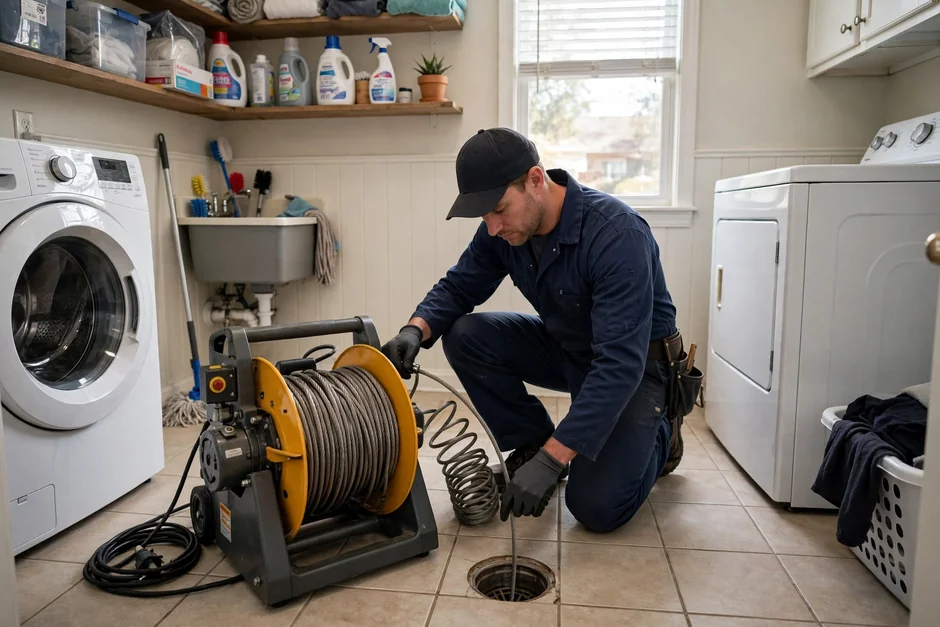
A sudden water bill spike in Houston almost always comes from a leak you can't see - a running toilet flapper, a slab leak under the foundation, or an irrigation valve stuck open. The good news: most of these are findable in under an hour with a meter test and a walk-through, and fixable before the next billing cycle. This guide covers the real causes behind a high water bill in Houston TX, how to isolate the problem yourself, and when it's time to bring in a pro.
The Short Answer: What Causes a Sudden Water Bill Spike in Houston
A sudden water bill increase in Houston is a plumbing symptom, not a billing error. The city's meter reads actual flow, so if the number jumped, water moved somewhere you didn't intend. In our experience across Houston neighborhoods, most spike calls trace to one of four things: a toilet running silently, a hidden slab or wall leak, an irrigation system stuck on, or a failed water softener cycling continuously.
Why is my water bill so high Houston homeowners ask us every week - and the answer is almost never "the city raised rates." Rate changes are gradual and public. A spike in a single cycle is a plumbing event. The sooner you isolate it, the less water and money you lose.
How Houston Water Bills Work (and Why the Spike Is Real)
Houston water bills are based on metered usage in 1,000-gallon units, and the rate structure is tiered - the more you use, the more you pay per unit. That's why a modest leak can produce a bill that looks disproportionate. A toilet flapper leaking 200 gallons a day adds about 6,000 gallons to a monthly cycle. At Houston's tiered rates, that alone can push a typical household bill up noticeably, depending on where you sit in the tiers.
Houston also bills wastewater based on winter-average usage, so a summer spike from irrigation can affect your sewer portion for months. If you see a sudden water bill increase Houston residents commonly report after a cold snap, check for a burst pipe or an outdoor spigot left dripping. Freeze events in the Houston area - even the brief ones we get in January and February - crack backflow preventers and hose bibs more often than people expect.
One more local factor: many Houston homes sit on slab foundations with copper or PEX supply lines running underneath. A pinhole slab leak can lose 10,000 to 30,000 gallons a month without ever surfacing in the yard. The meter spins, the bill climbs, and the floor stays dry - until it doesn't.
The Most Common Causes of a High Water Bill in Houston TX
The most common causes of a high water bill in Houston TX are running toilets, hidden supply-line leaks, irrigation faults, and water softener malfunctions - in that order. Here's how each one behaves and what it costs to ignore.
1. A Running Toilet (the #1 Culprit)
A running toilet high water bill Houston pattern is the single most common call we get. The flapper - the rubber seal inside the tank - warps with Houston's chloramine-treated water and starts leaking by. You don't hear it. The fill valve tops the tank off every few minutes, 24 hours a day. A badly leaking flapper wastes 200 to 500 gallons daily. That's 6,000 to 15,000 gallons a month on your bill. A new flapper and 20 minutes fixes it. If you hear the tank refilling when no one has used the toilet, that's your leak.
2. Hidden Supply-Line Leaks (Slab, Wall, or Yard)
A hidden water leak high water bill Houston homeowners describe as "mysterious" usually lives under the slab or behind a wall. Signs include a hot spot on the floor (hot-water side leak), the sound of running water when everything is off, or a water bill that climbs steadily rather than jumping once. Slab leaks in older Houston neighborhoods - especially in homes built before 1990 with copper lines - are common because Houston's soil shifts with our clay content and wet-dry cycles. Left alone, a slab leak can undermine the foundation.
3. Irrigation and Pool Fill Faults
An irrigation valve that sticks open can dump 5 to 15 gallons per minute into the yard - 300 to 900 gallons an hour. You won't see it if the zone runs at 4 a.m. Pool autofill valves fail the same way. If your bill spikes in spring or summer, shut off the irrigation supply at the backflow preventer for one billing cycle and compare. That single test isolates the problem fast.
4. Water Softener and Reverse-Osmosis Waste
A water softener stuck in regeneration cycles continuously, wasting hundreds of gallons a day. Houston's hard water makes softeners common, and a failed control valve is a quiet water thief. If your softener runs its regeneration cycle more than once a day, that's the problem.
5. Faucet and Shower Drips
A dripping faucet repair Houston issue sounds minor - one drip per second is about 3,000 gallons a year. Not your main spike, but if you're already chasing a high bill, fix the drips while you're at it. A shower valve leaking behind the wall is a bigger deal and often shows as a damp spot on the ceiling below.
How Do I Find a Water Leak in My Houston Home?
You can find most water leaks in a Houston home with a 30-minute meter test and a systematic walk-through. Here's the process we walk customers through on the phone before we ever dispatch a truck.
- Shut everything off. Turn off all faucets, appliances, irrigation, and the pool fill. Make sure the ice maker and water softener aren't cycling.
- Find your meter. Houston meters sit in a concrete box near the curb. Lift the lid and locate the small leak indicator - usually a triangle or star on the face.
- Watch for 10 minutes. If the indicator spins with everything off, you have a leak on the pressurized side. If it's still, the leak is on a drain line or intermittent.
- Isolate the house. Shut the main valve at the house. If the meter stops, the leak is inside. If it keeps spinning, the leak is between the meter and the house - a service line leak.
- Check the toilets. Put a few drops of food coloring in each tank. Wait 15 minutes without flushing. Color in the bowl means a failed flapper.
If the meter test points inside and you can't find it, that's when leak detection Houston TX tools earn their keep. We use acoustic listening equipment and thermal imaging to pinpoint slab and wall leaks without tearing into drywall or breaking up floors. The leak repair itself is quoted separately once we know what we're dealing with — call (346) 776-8560 for a free estimate.
What to Watch Out For: Mistakes That Make a Water Bill Spike Worse
The biggest mistake Houston homeowners make with a high water bill is waiting for the next cycle to "see if it corrects itself." It won't. A leak that starts at 200 gallons a day becomes 2,000 when a pinhole becomes a split. Here's what to avoid:
- Don't ignore a running toilet because it's quiet. The silent ones waste the most water.
- Don't crank the main valve shut and leave it. You'll lose hot water, irrigation, and the ice maker - and you still won't know where the leak is.
- Don't assume the city made a mistake. Houston will re-read a meter on request, but a genuine spike is almost always real. Request the re-read after you've done the meter test.
- Don't patch a slab leak with stop-leak products. They can clog fixtures and don't fix the pipe. The leak comes back, usually bigger.
- Don't hire the first truck that shows up without a leak-detection plan. A plumber who guesses at a slab leak will break concrete in the wrong place. Ask how they'll locate it first.
One more: if you're on a well or have a booster pump, a failed pressure tank can cause short-cycling that mimics a leak. That's a plumbing repair Houston issue, not a water bill issue - but the symptoms overlap.
When to Call a Professional
Call a professional when the meter test shows flow with everything off and you can't trace it to a toilet or irrigation zone. That's the point where guessing gets expensive. A slab leak misdiagnosed can mean jackhammering the wrong room; a service line leak missed can wash out your yard. We handle residential plumbing services Houston TX every day, and the first thing we do on a high-bill call is the same meter test - then we isolate with acoustic and thermal tools before we quote a repair.
If the leak turns out to be on the city side of the meter, we'll tell you and point you to Houston Public Works. If it's on your side, we fix it and verify the meter is still before we leave. For homeowners in older neighborhoods like Plumbing Houston TX customers call us about most - the Heights, Montrose, Meyerland - slab leaks and aging copper are the usual suspects, and we've seen enough of them to know what we're looking at.
If the spike comes with a sewer smell or a backup, that's a different problem. A broken sewer line can let groundwater into the system and drive up wastewater charges. That's sewer line repair Houston TX territory, and it's worth checking before you assume the water side is the only issue.
Frequently Asked Questions
Why is my water bill suddenly so high in Houston?
A sudden spike almost always means a leak: a running toilet, a slab leak, an irrigation valve stuck open, or a failed water softener. Run the meter test with everything off - if the leak indicator spins, you have a pressurized leak and should call a plumber.
How do I find a water leak in my Houston home?
Shut off all water, find your meter near the curb, and watch the leak indicator for 10 minutes. If it moves, shut the main valve at the house to isolate inside vs. outside. Then check each toilet tank with food coloring. Most leaks are found in under 30 minutes this way.
Can a running toilet cause a high water bill in Houston TX?
Yes - a leaking flapper wastes 200 to 500 gallons a day, or 6,000 to 15,000 gallons a month. At Houston's tiered rates that shows up fast on a single bill. A new flapper and 20 minutes fixes it.
Who do I call about a high water bill in Houston Texas?
Call a licensed plumber first - they can run a meter test and locate the leak. If the leak is on the city side of the meter, Houston Public Works handles it. If it's on your side, a plumber fixes it. El Primo Lalo Plumbing handles both diagnosis and repair.
What should a leak detection visit include?
A meter test, acoustic and thermal locating to pinpoint the leak, and a free estimate for the repair once the leak is found. Call (346) 776-8560.
Get Help with Plumbing in Houston
If your water bill jumped and the meter test points to a leak, don't wait for the next cycle - the water loss compounds. Call El Primo Lalo Plumbing at (346) 776-8560 and we'll run the meter test, locate the leak, and give you a free estimate before any work starts.
We take calls Monday through Sunday, 7:00 AM to 10:00 PM.