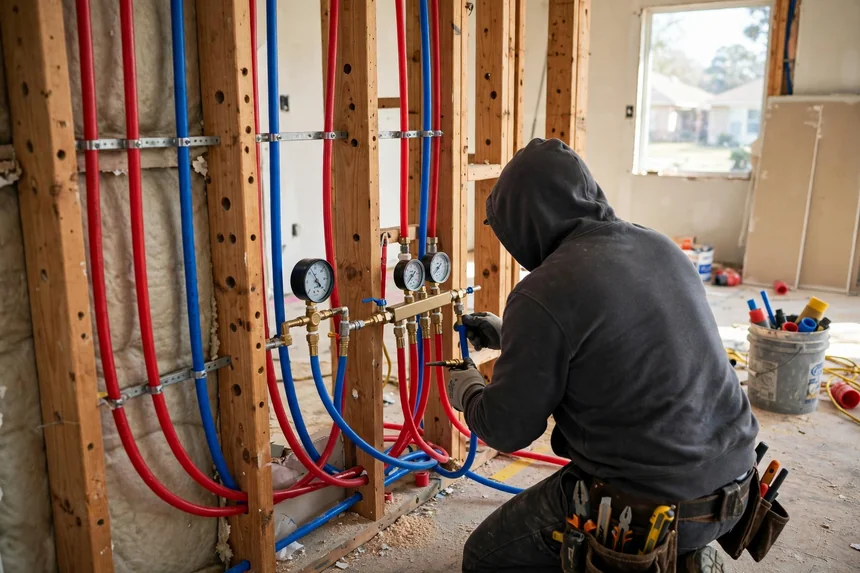
Camera footage
Before and after video of the line
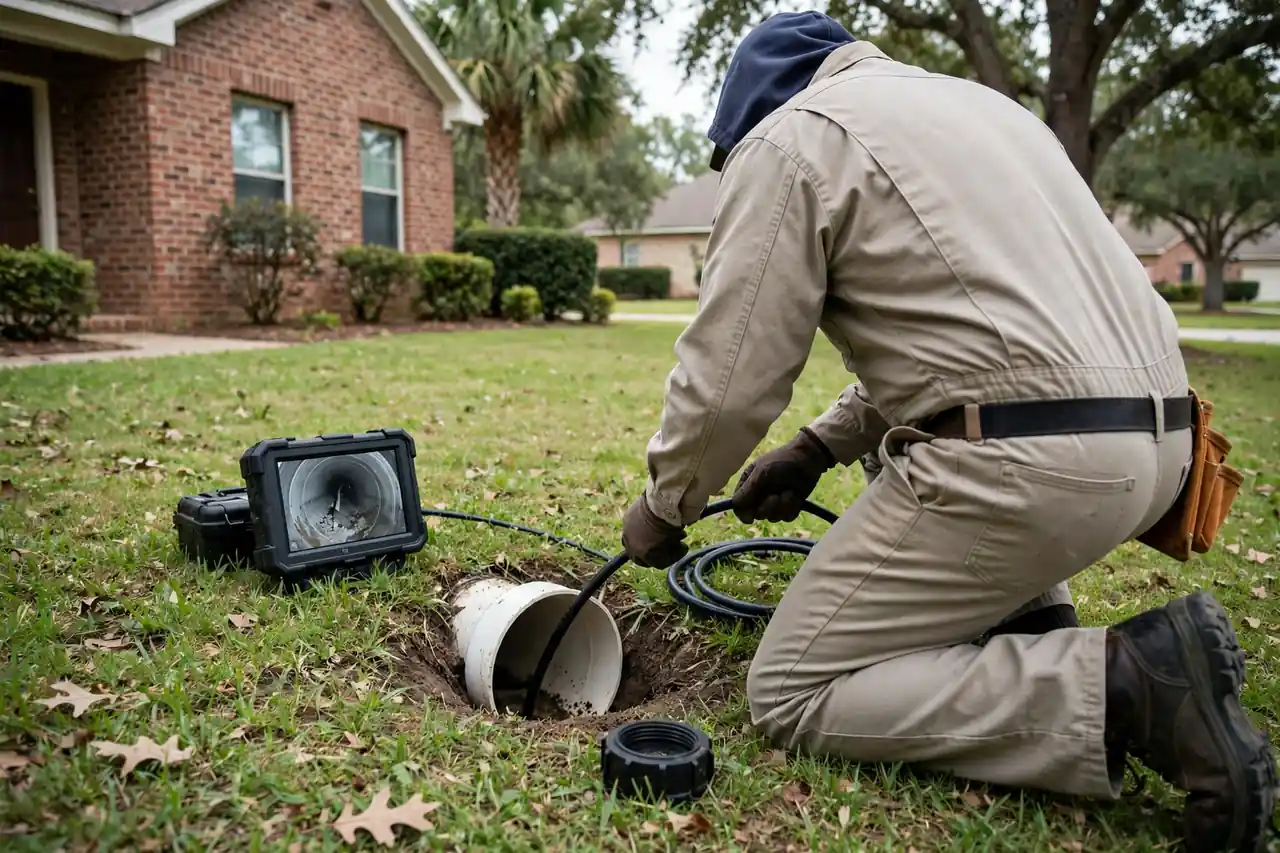
Sewer line cleaning in Houston is the work of opening the cleanout, running a camera to find the blockage, and clearing it with a cable or jetter. When every fixture in the house backs up at once, the clog is in the main sewer line, not a single drain. El Primo Lalo Plumbing opens the cleanout, runs a camera to find the blockage, and clears it with a cable or jetter, confirming flow before we leave.
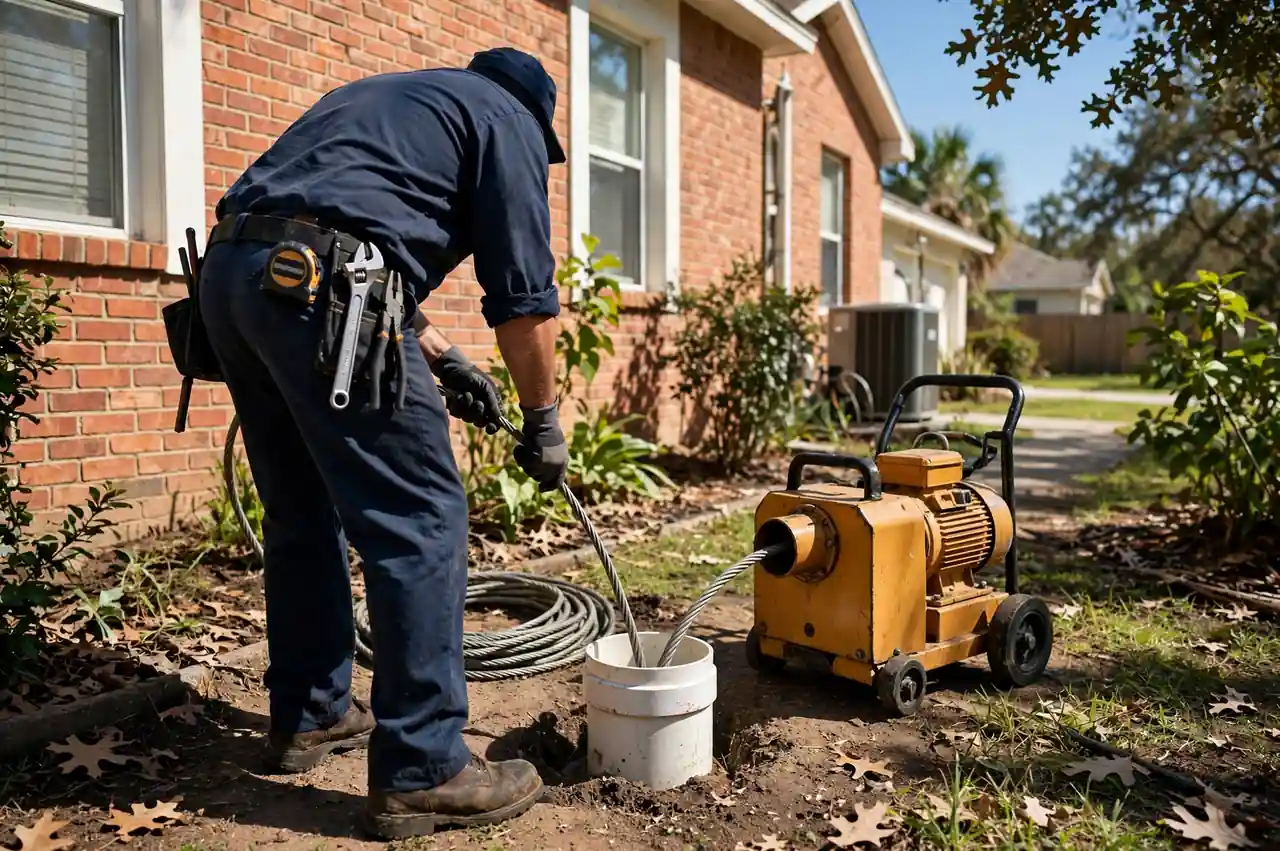
Every sewer line cleaning job includes the steps below. If the camera shows something that needs more than cleaning, we tell you before we do it and quote the repair separately so there are no surprises.

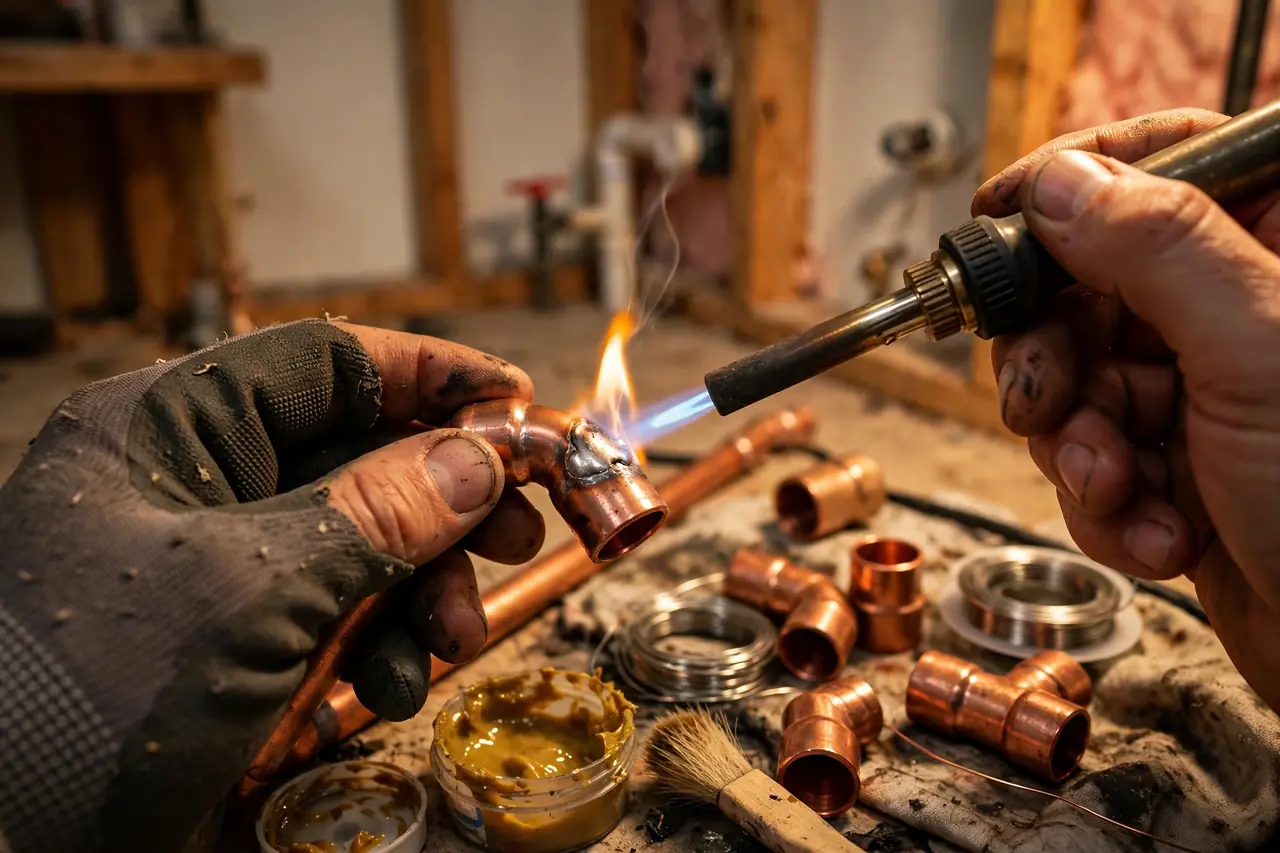
Homes in Houston deal with roots, grease, and shifting soil that send waste into the wrong places. We camera the main line, jet it clear, and show you what we found before we leave.
Restaurants, salons, and multi-family properties put heavy loads on their lines. We schedule jetting around your hours and document the job so you have a record.
The building sewer is the pipe that carries everything from the house to the public sewer in the street, and on private property it is the homeowner's responsibility. Houston laterals typically run 30 to 100 feet and sit 2 to 8 feet deep. When that line blocks, every drain in the house is affected at once, and water can come up through the lowest fixture first.
The usual Houston causes are tree roots at joints, grease, and collapsed or aging pipe, with expansive clay stressing buried lines as it swells and shrinks. A cable punches through a blockage; a jetter scours the full pipe wall at 1,500 to 4,000 PSI. The camera matters most here: it shows whether cleaning will hold or whether the line is cracked, bellied or collapsed and needs repair instead.
When every fixture backs up at once, the problem is the main. Camera it before you clear it.
No guesswork and no surprise charges. Here is exactly what happens from the phone call to the final camera check.
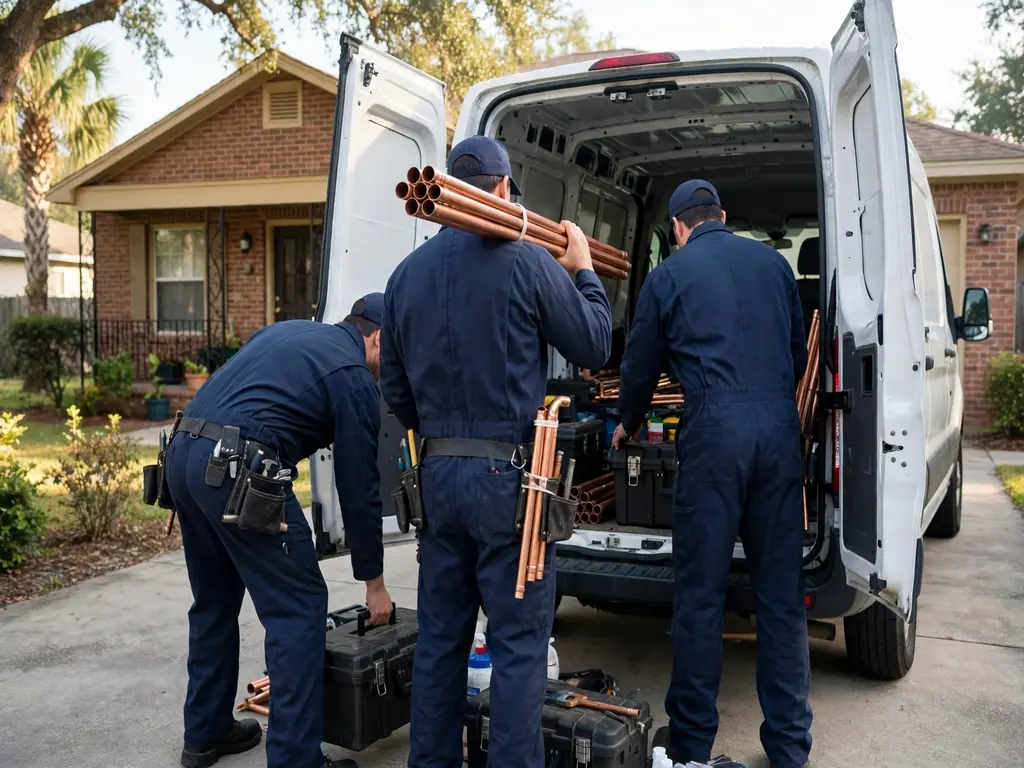
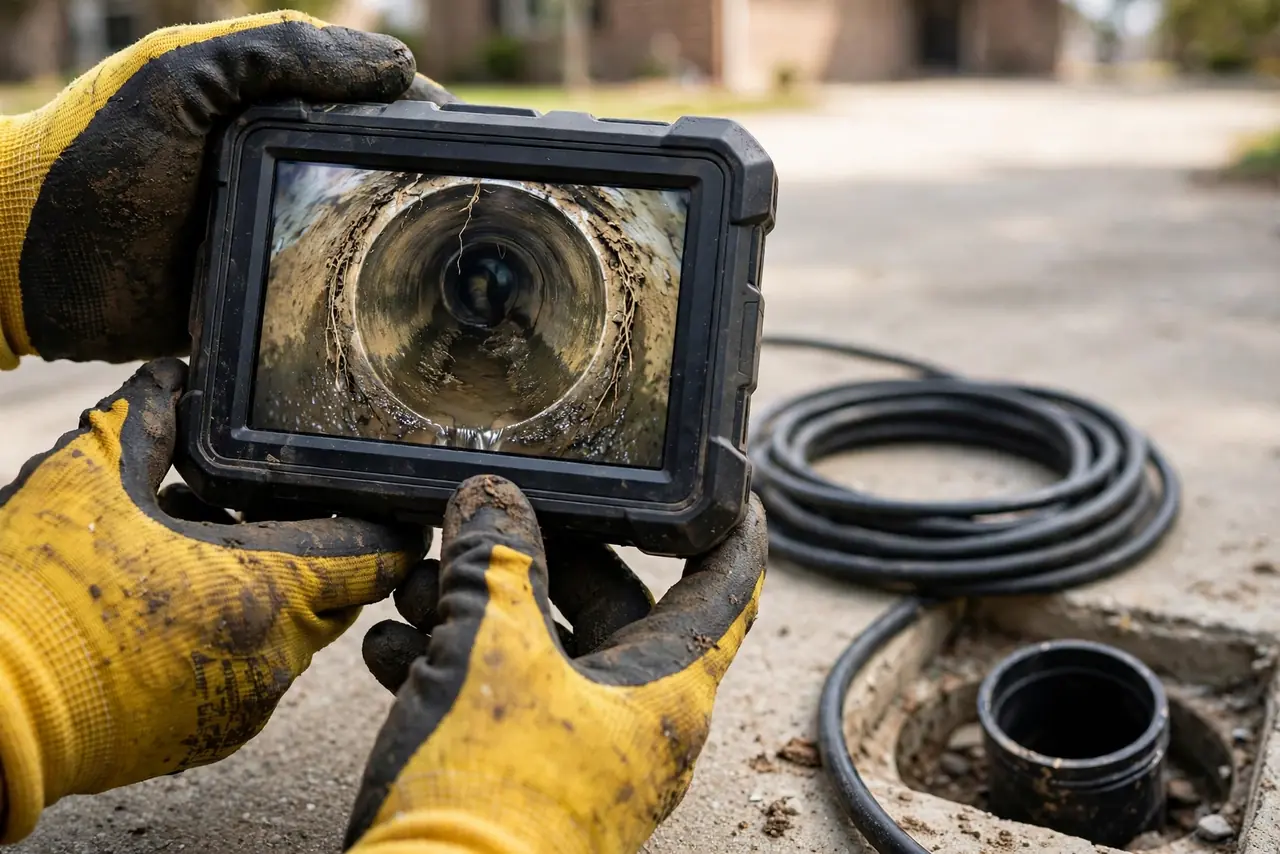
We pull the cleanout, run a sewer camera down the line, and locate the blockage and any defects. You watch the monitor with us. This step takes 20 to 30 minutes and tells us whether jetting, snaking, or a repair is the right call.
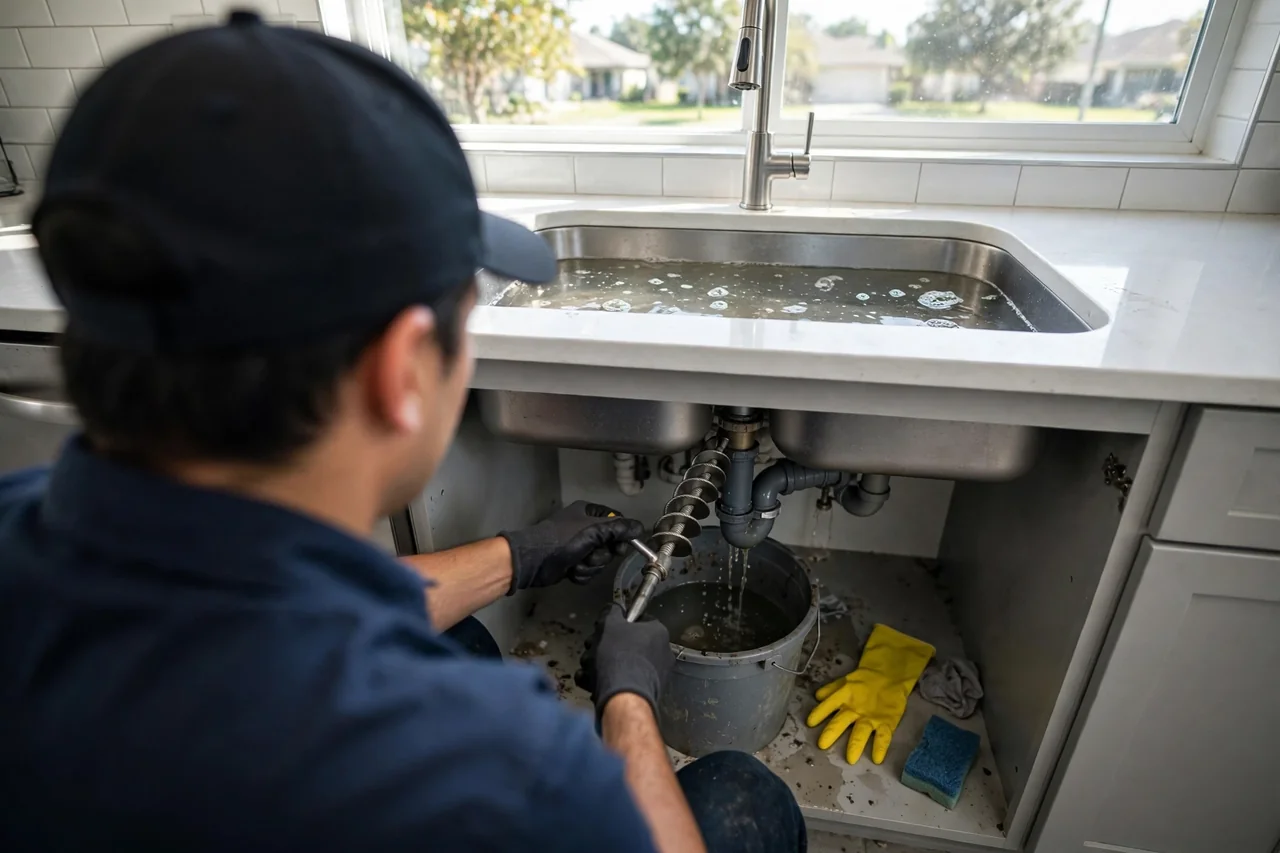
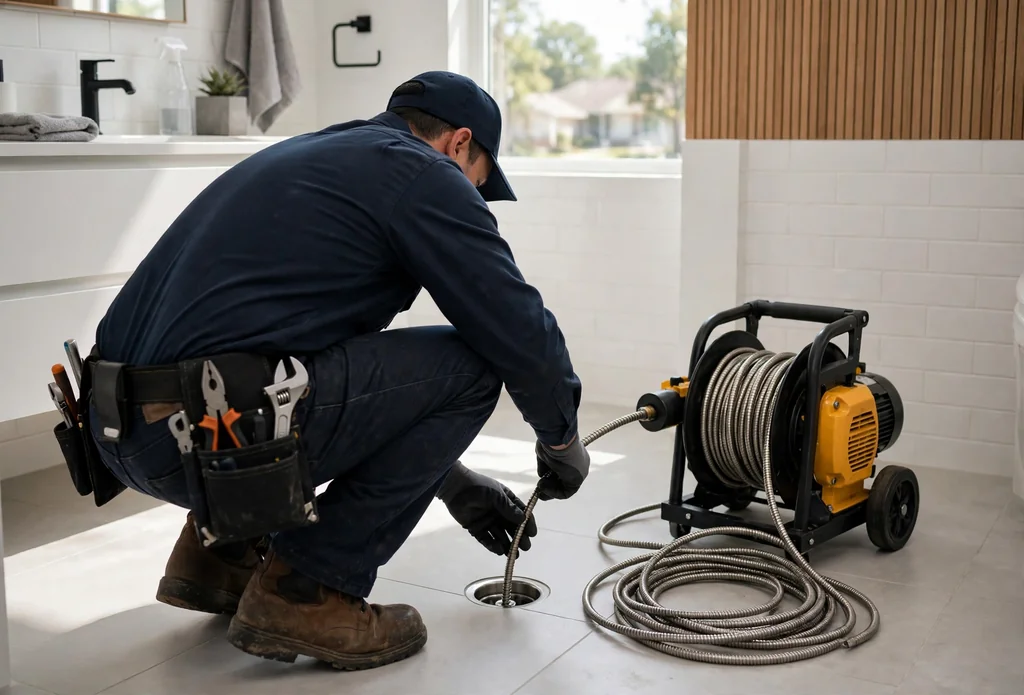
We lay drop cloths, set up the hydro jetting machine, and run the hose to the cleanout. On interior cleanouts we use a containment collar so no wastewater sprays into the house. Setup takes about 15 minutes, and we tell you before we start if we need to move furniture or open a wall access.
We jet from the cleanout toward the city main, then from the main back if needed, using the correct nozzle for the pipe size and material. Cast iron gets a different nozzle than PVC. Most residential runs take 45 to 90 minutes depending on length and how heavy the buildup is.
After jetting we run the camera again to confirm the pipe is clean and to check for cracks, offsets, or bellies the debris was hiding. You get a copy of the footage. If we find a defect that needs repair, we show you exactly where it is and what it will take to fix it.
We rinse the area, haul off the debris, and walk you through what we found. You get a plain-language summary of the line's condition and a recommendation on when to schedule the next cleaning. The whole visit usually runs two to three hours.
We use it to inspect the line before and after cleaning, locate the blockage, and document pipe condition. The footage is your proof of what was found and what was fixed.
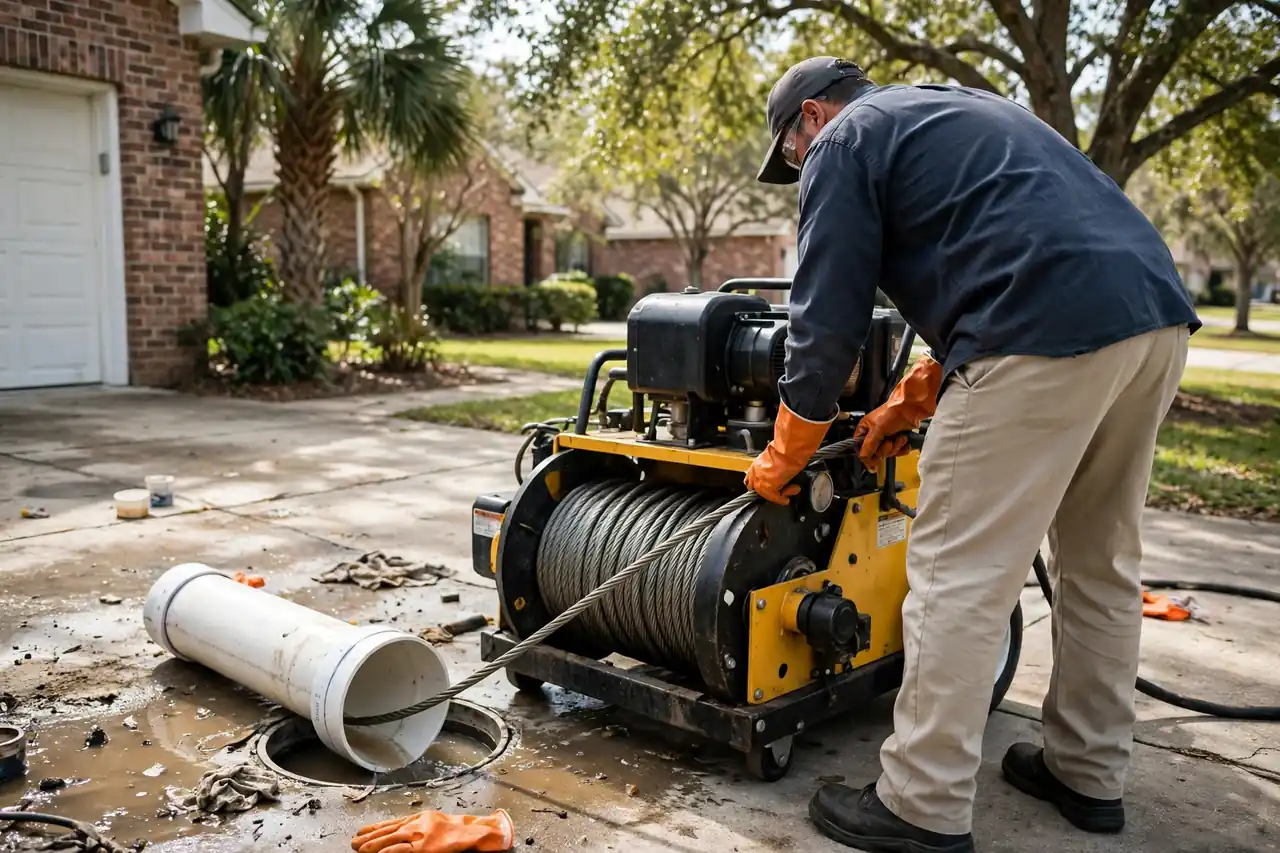
Delivers 3,000 to 4,000 PSI of water through a matched nozzle to scour grease, scale, and debris off the pipe wall. It cleans the full diameter of the pipe, not just a hole through the clog.
A jetting nozzle with hardened blades that slices roots out of the line. Used in older Houston neighborhoods where tree roots have found their way into cast iron pipe.
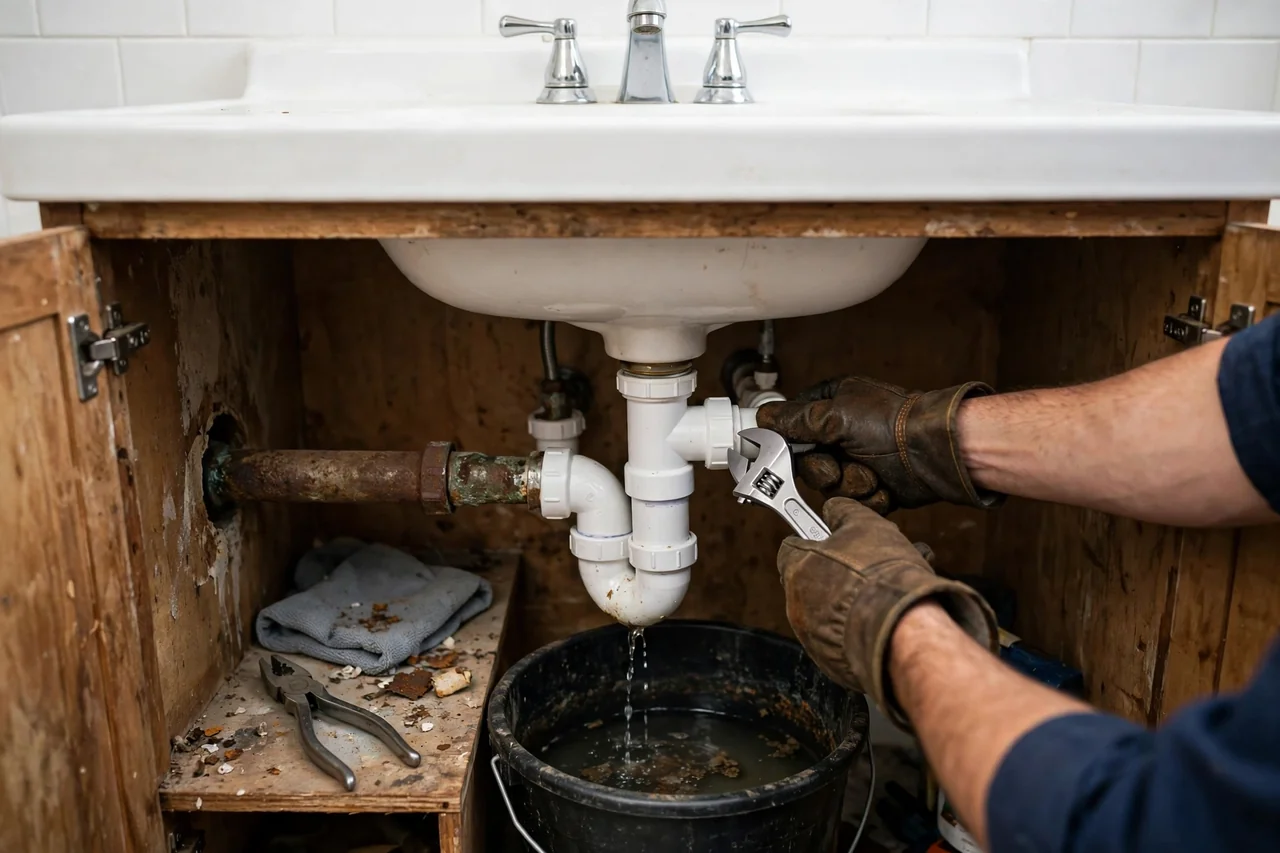
Used for branch lines and for situations where jetting is not the right call. A cable clears a clog; it does not clean the pipe wall, so we use it selectively.
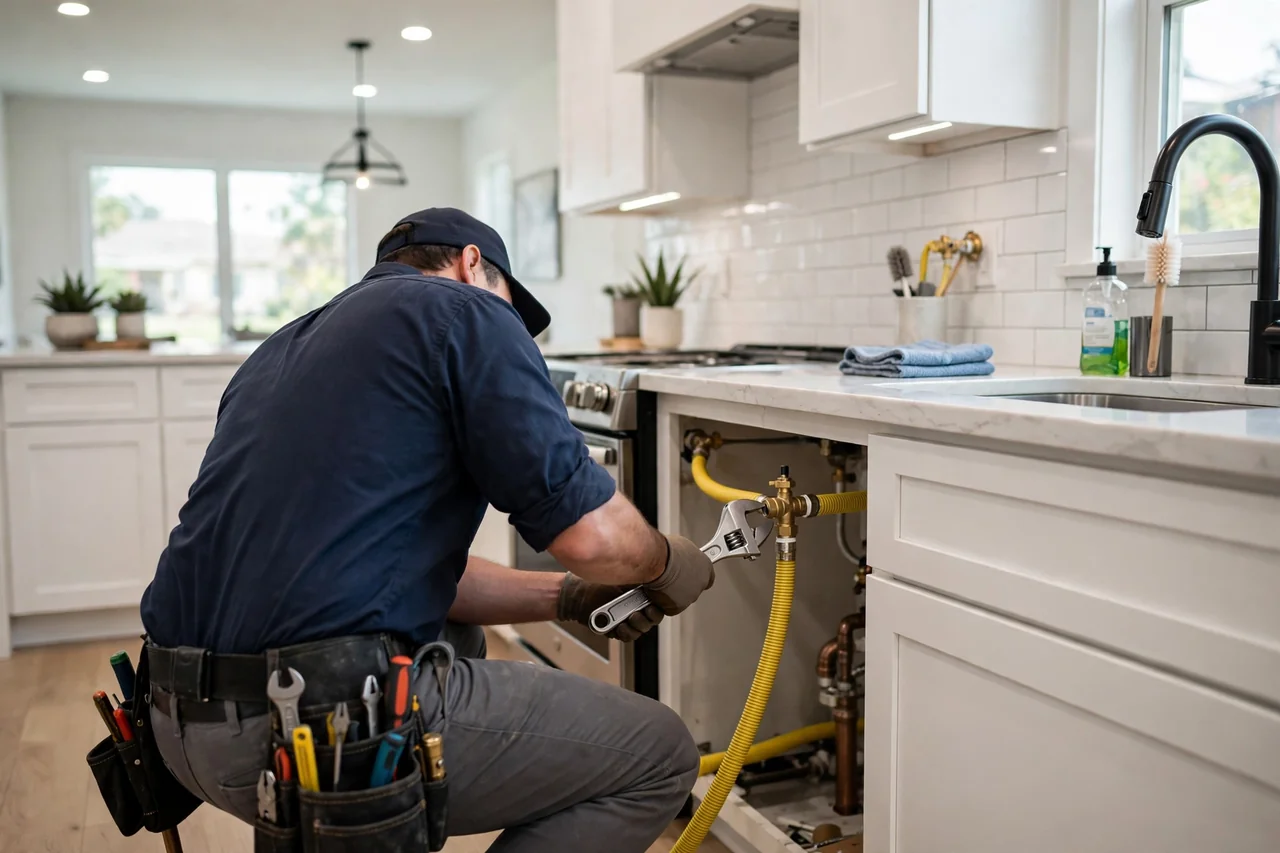
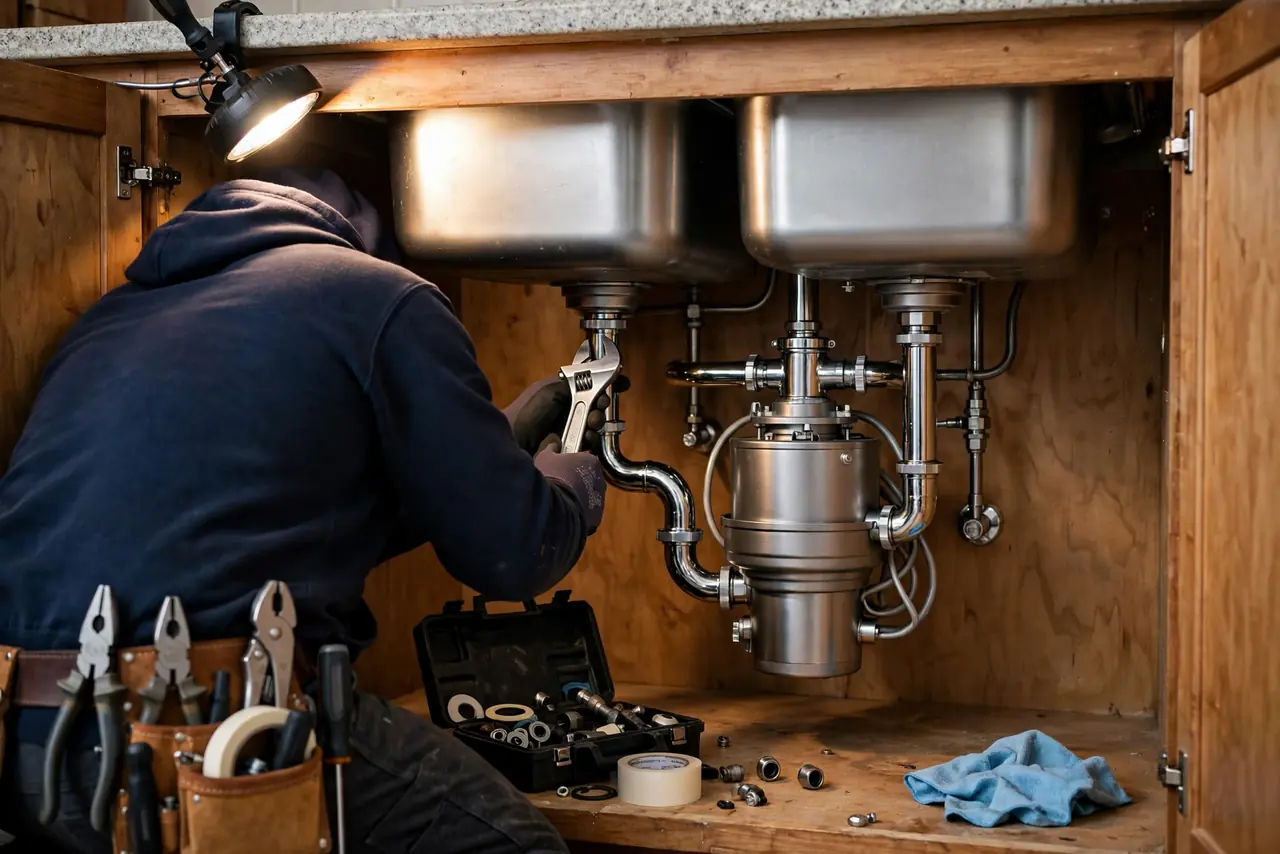
For spot repairs found during cleaning. We cut out the damaged section and press on a new fitting with push-fit or expansion components, then test the repair.
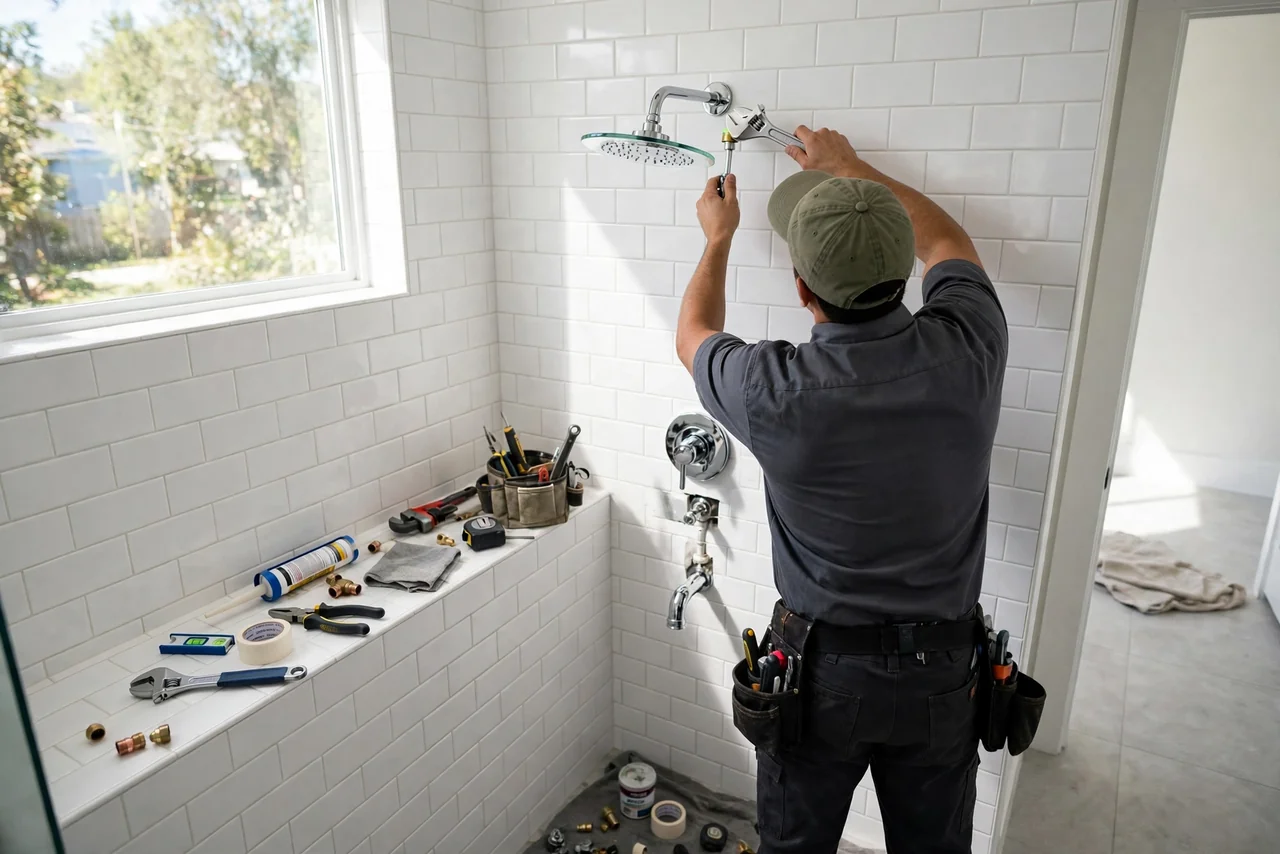
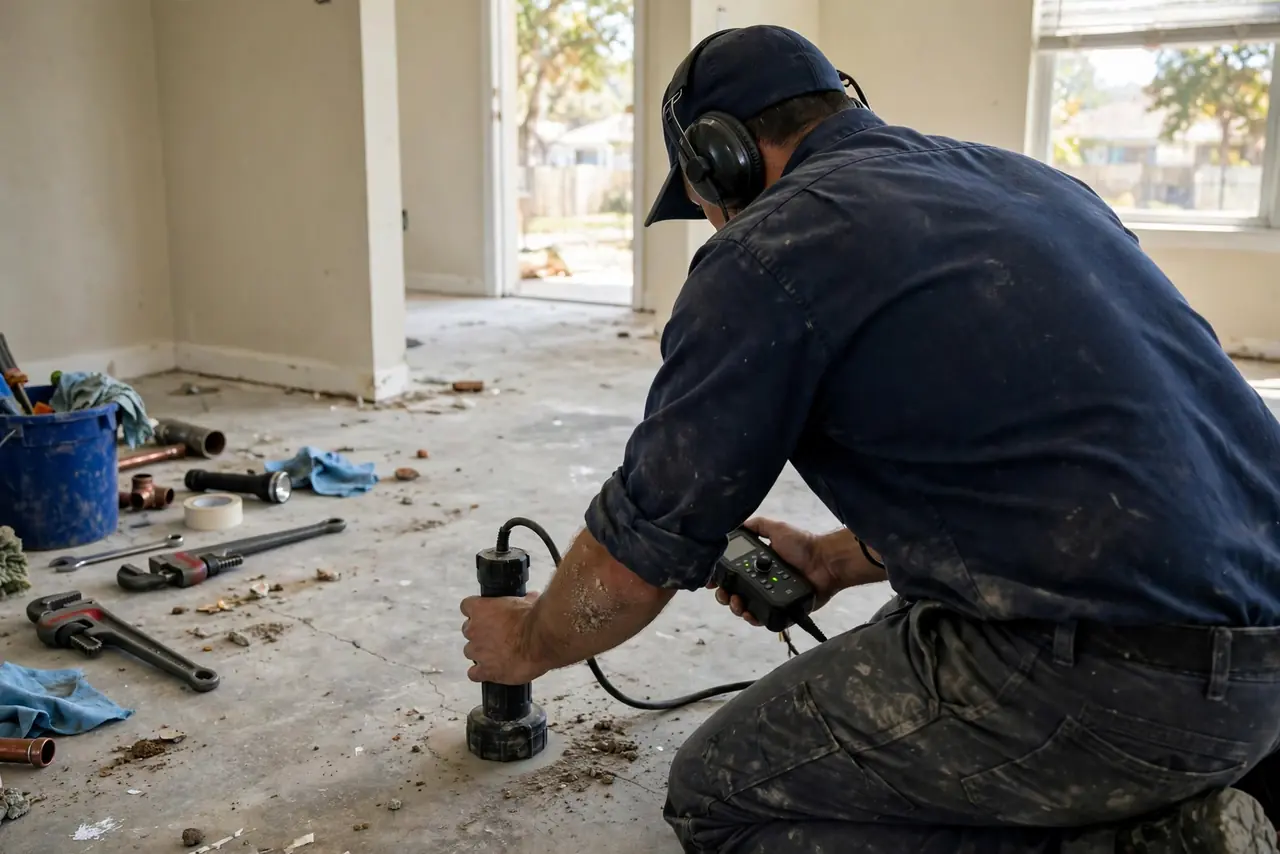
Used when a water leak is suspected alongside a sewer issue. It picks up the sound of water escaping under a slab or in a wall so we can pinpoint the repair.
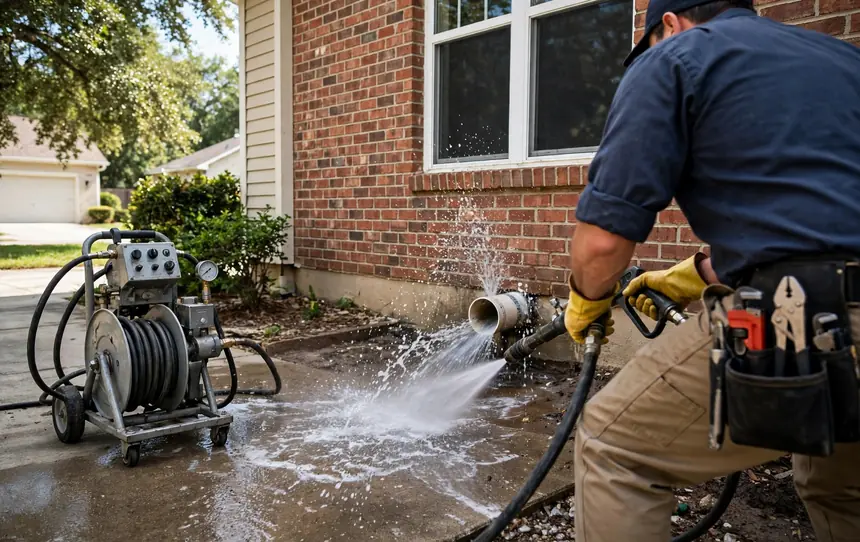
We never jet a line blind. The camera tells us the pipe material, the blockage type, and whether the pipe can handle jetting. This step is why our cleanings hold up and why we do not damage old pipe.
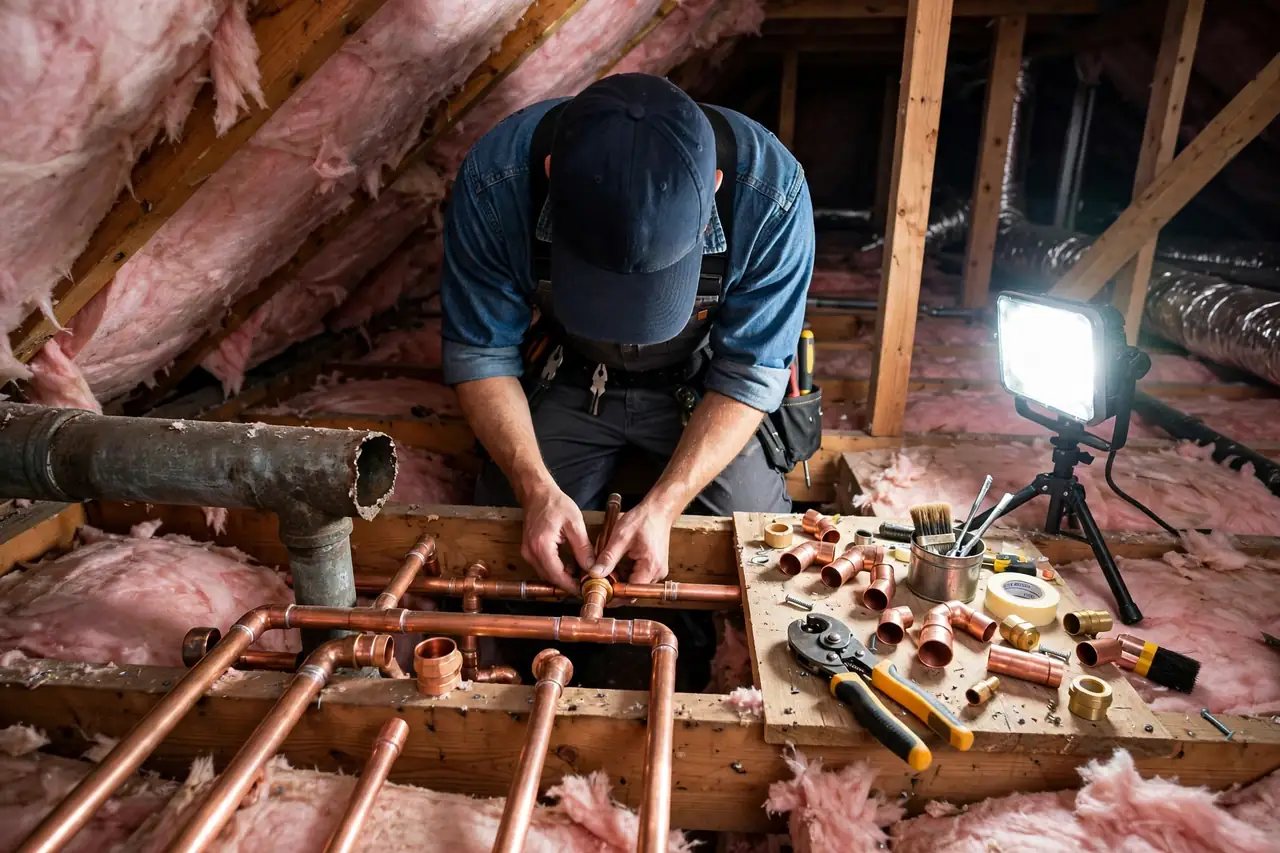
Cast iron pipe, PVC pipe, and CPVC pipe each get a different nozzle and pressure setting. Using the wrong nozzle on old cast iron can crack it. We match the tool to the pipe before the machine goes in.
That pattern points to a main line blockage, not a single fixture. We camera the main line from the cleanout, jet it clear, and confirm flow to the city main. All the fixtures drain normally again, and you know whether the line is sound or needs repair.
We camera the line, document the condition, and jet it if cleaning is all it needs. You get footage and a written summary you can use in negotiations. You know what you are buying before you close, and the seller has a clear picture of the line's condition.
We treat it as an emergency. Call (346) 776-8560 during our hours — Monday through Sunday, 7:00 AM to 10:00 PM — and we will talk through the next step. When we come out, we jet the line clear. We also check whether the backup is tied to the city main surcharging, which changes the fix. The backup is cleared, the mess is contained, and you know whether the problem is your line or the city's.
We schedule jetting before opening hours, clear the grease and solids, and camera the line to confirm it is clean. We document the job for your records. The line stays clear, you avoid a mid-service backup, and you have a maintenance record on file.
Older blocks with clay and cast-iron laterals in the Heights, Montrose and River Oaks root and scale at the joints, while 1960s to 1980s laterals in Sharpstown and Meyerland are reaching end of life. Camera-first is the rule in both.
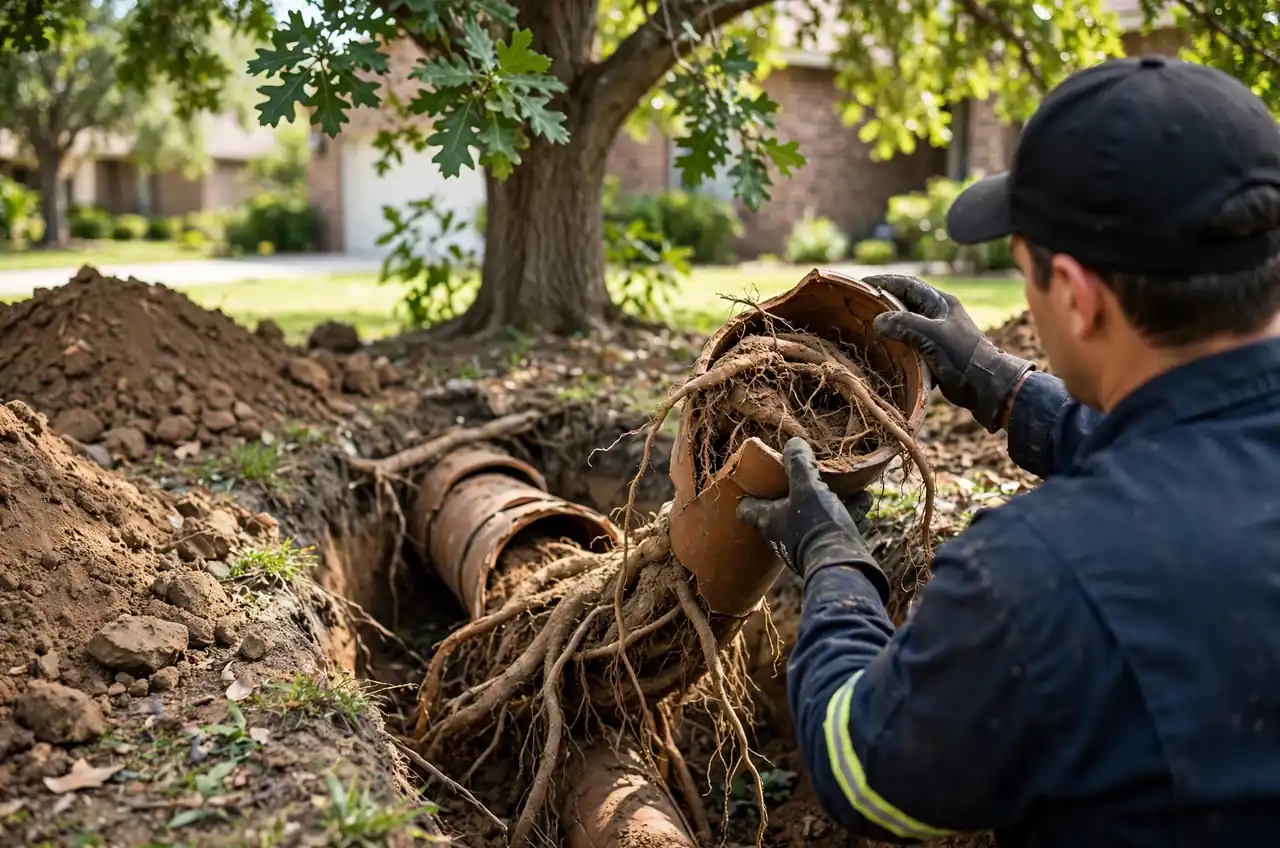
A 1940s bungalow had backed up twice in eight months. The camera showed roots filling about 60 percent of the cast iron line near a large oak. A cable had cleared a hole through the roots, but the line kept closing up.
We cut the roots with a jetting root nozzle and scoured the pipe wall. The post-clean camera showed the line clear and flowing. The homeowner scheduled a follow-up camera check in 12 months.
Annual camera inspection and root cutting keeps this line clear. If the camera shows the roots coming back through a crack, a spot repair is the next step.
A restaurant kitchen line was backing up every three months. Grease had coated the pipe wall down to about half its diameter, and a cable only cleared a channel through the middle.
Hot water jetting at 4,000 PSI scoured the grease off the wall and restored full flow. The camera showed a clean pipe. The owner put the line on a six-month jetting schedule.
Scheduled jetting every six months, plus a grease trap check, keeps this line from backing up during service hours.
Sewage backed into a shower on a Sunday night. The camera showed a belly in the line holding water and solids about 30 feet from the cleanout. The line had backed up twice that year.
We jetted the line clear and confirmed flow, then quoted a spot repair for the belly. The homeowner approved the repair, and the line has not backed up since.
After the repair, a camera check every 18 months confirms the line is holding grade and flowing to the main.
Most main line calls fall into a handful of categories. Here is what we see most often and how we handle it.
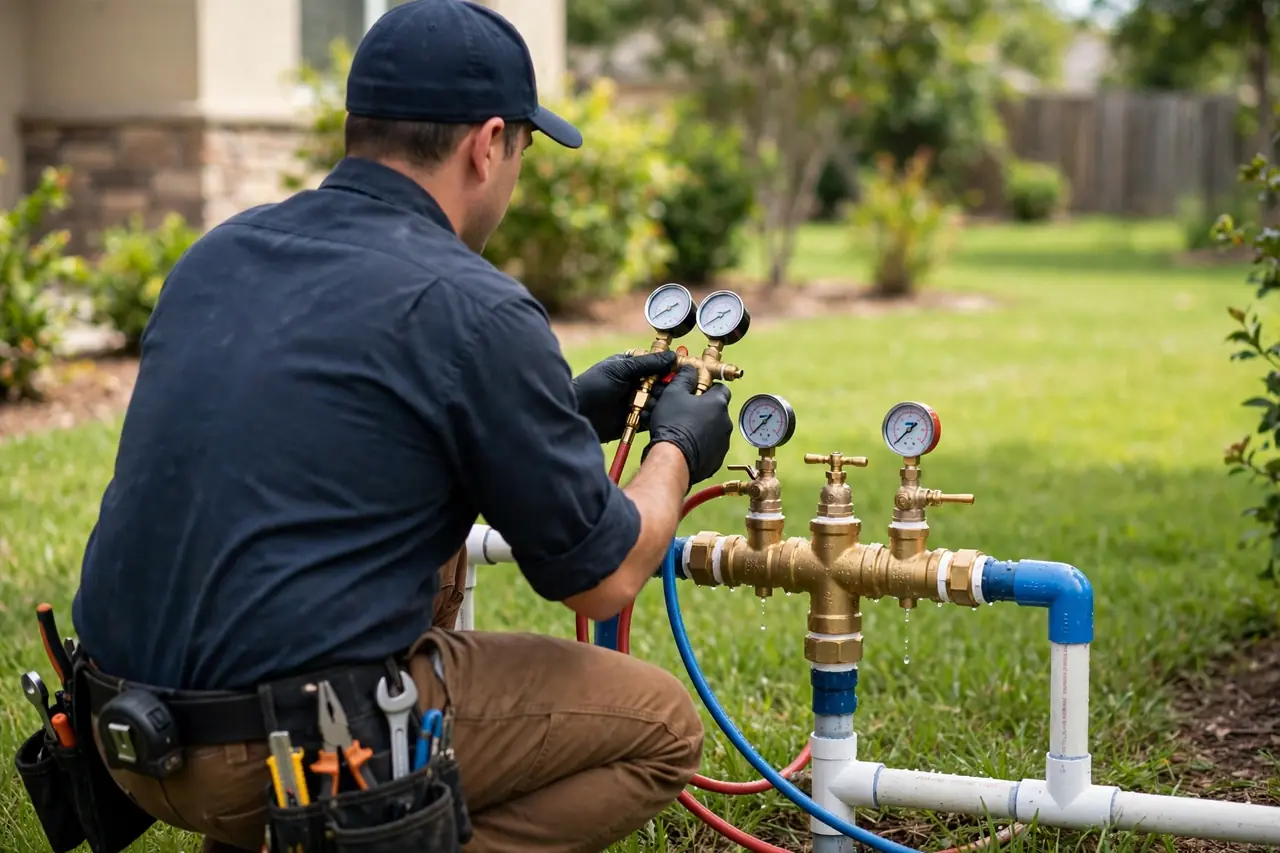
We camera the line, cut the roots with a hydro jetting root nozzle, and confirm the pipe is clear. If the camera shows a crack or joint the roots came through, we quote a spot repair so the roots do not come right back. Roots find hairline cracks in cast iron pipe and grow into the line, catching paper and waste until the line backs up. Left alone, the roots widen the crack and the pipe eventually collapses.
Hot water jetting scours the grease off the pipe wall and flushes the wipes through. We also show you what not to put down the drain so the clog does not rebuild in six months. Grease cools and sticks to the pipe wall, and flushable wipes catch on it. The line narrows until it blocks completely, usually on a holiday weekend when everyone is home.
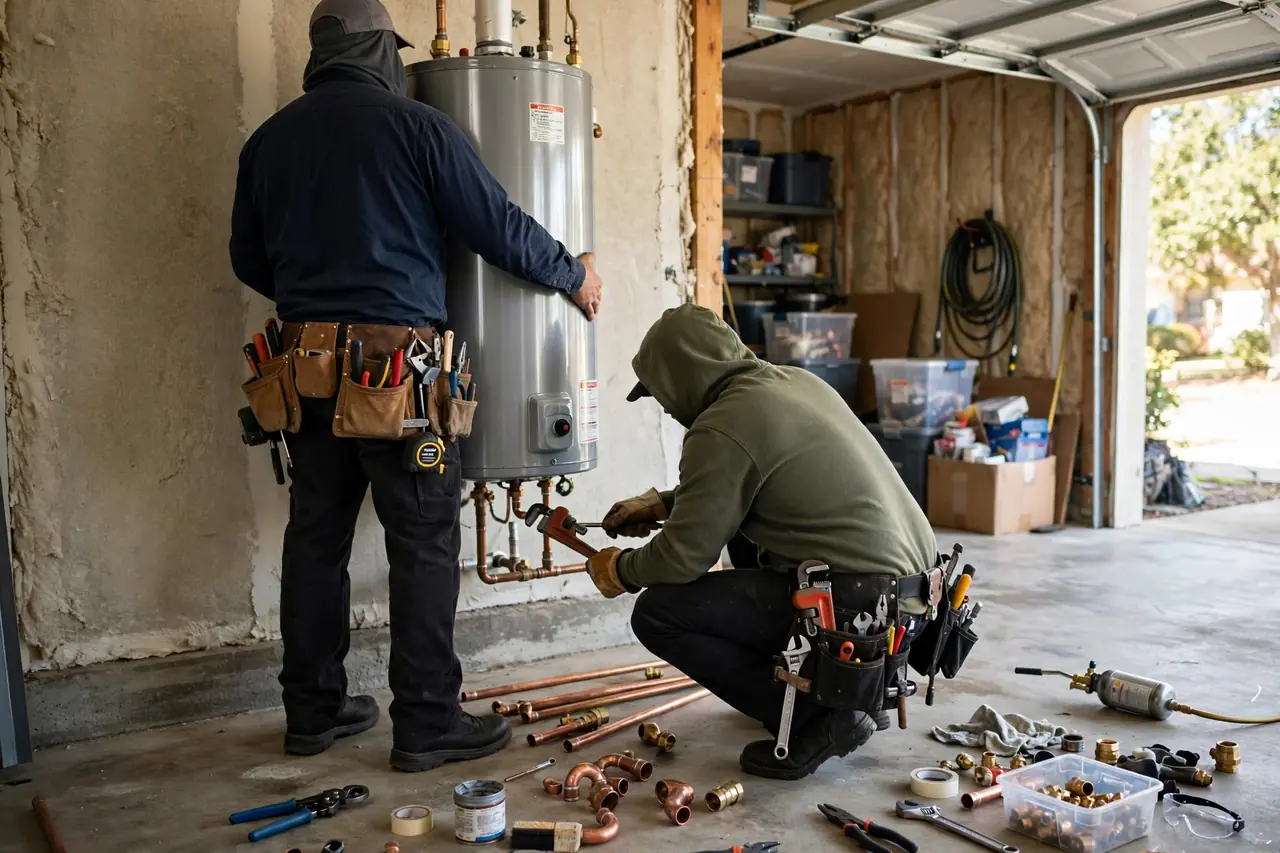
The camera finds the low spot. If the belly is minor, regular jetting keeps it clear. If it is severe, we quote a spot repair or replacement so you are not paying for the same cleaning every few months. When the ground shifts, a section of pipe sags and holds water. Solids settle there and the line backs up repeatedly, even after cleaning.
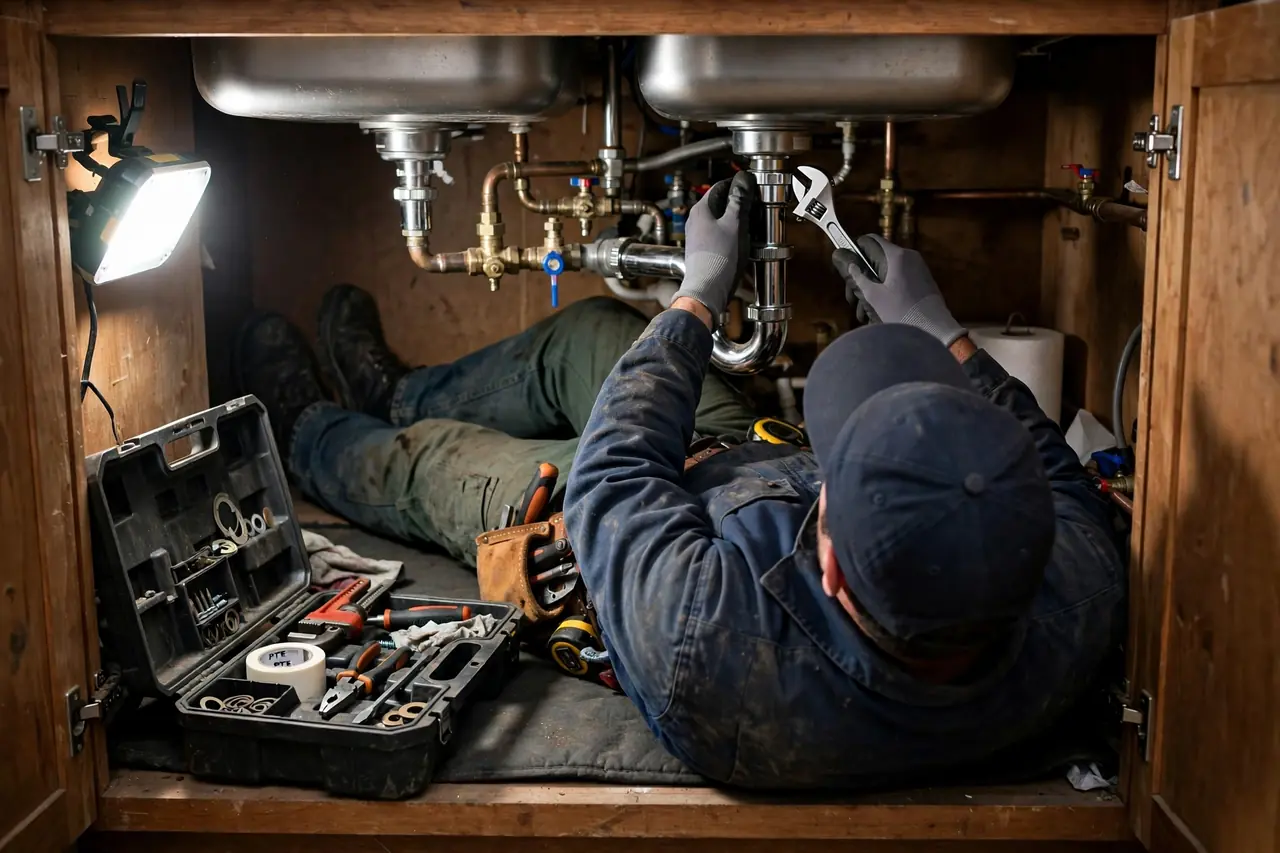
The camera shows the break. We stop cleaning and quote a sewer line repair or replacement, often trenchless, so you are not paying for a cleaning that cannot solve the problem. Old cast iron or Orangeburg pipe can collapse or offset at a joint, blocking the line completely. Snaking does not fix this, and the backup keeps returning.
A cable or snake pokes a hole through a clog; jetting scours the pipe wall clean. That difference is why a line we jet typically stays clear for 12 to 24 months instead of backing up again in six weeks. We also camera the line after cleaning to confirm nothing is left behind.
A slow or blocked main line means wastewater soaking into the soil under your slab. In Houston's clay, that means movement and cracking. Clearing the line and confirming it flows keeps that water moving to the city sewer where it belongs, not into your foundation bed.
Sometimes cleaning is all you need. Sometimes the camera shows a collapsed pipe, a belly, or root intrusion that will keep coming back. Our sewer jetting Houston Texas service includes the camera inspection, so you know whether you are looking at maintenance or a repair before you spend money.
Roots and grease are the two most common causes of a clogged main drain in this city. A hydro jetting machine with a root-cutting nozzle slices through roots without damaging sound pipe, and hot water jetting cuts grease that a cable just smears around. Both get cleared in a single visit.
Clear records you can keep and share.
Before and after video of the line
Plain-language report of what we found
Recommended schedule for the next cleaning
Cleaning removes what is blocking the pipe. Repair fixes the pipe itself. The camera tells you which one you need, and doing the wrong one wastes money.
Jetting scours grease, roots, and debris off the pipe wall. It is the right call when the pipe is sound and the blockage is buildup.
A crack, belly, or offset will keep catching debris no matter how often you clean. The camera shows the defect, and a spot repair fixes it.
Collapsed cast iron or Orangeburg pipe cannot be cleaned back to life. Replacement with PVC pipe is the long-term fix when the line is failing.
Outside these areas? Call and ask if we can reach you. (346) 776-8560
One slow fixture means a branch drain. Several fixtures backing up at once, water coming up in a shower or tub when a toilet flushes, or gurgling across the house means the main sewer line. A camera inspection confirms it.
Not when it is done right. Jetting uses pressure matched to the pipe material and scours the wall without cutting sound pipe. We camera the line first; if it is already collapsed or badly cracked, we switch to a gentler method or recommend repair.
It depends on the pipe and the trees. Homes with mature trees near the line or cast-iron pipe need it more often. A camera check every year or two shows whether roots or scale are back, and cleaning on that evidence beats cleaning on a calendar.
The building sewer on private property is the homeowner's responsibility. The public sewer in the street belongs to Houston Public Works. The boundary is where the lateral meets the public main.
Call (346) 776-8560 for a free estimate. We camera the main line, clear the blockage, and confirm flow before we leave, Monday to Sunday, 7:00 AM to 10:00 PM.
Call us at (346) 776-8560 to book sewer line cleaning or ask a question. We are open Monday to Sunday, 7:00 AM to 10:00 PM, and estimates are free.
The fastest way to book is a phone call. Tell us what is happening and we will give you a free estimate and a time that works, Monday to Sunday, 7:00 AM to 10:00 PM.
Open Mon–Sun, 7:00 AM–10:00 PM. Free estimates.