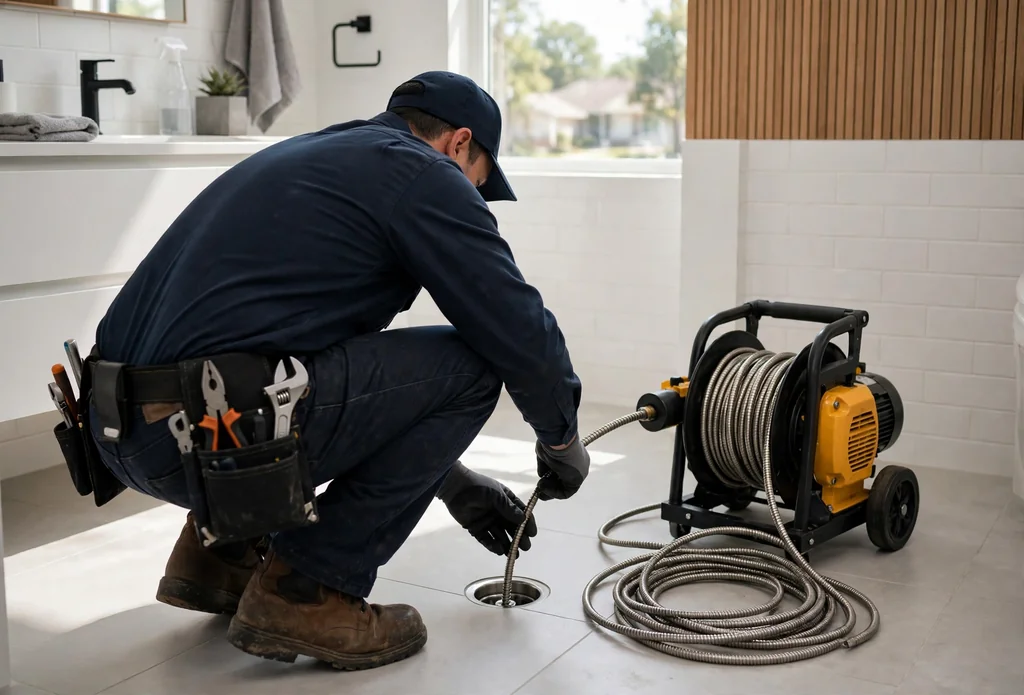
Camera footage
Before and after, handed to you.
Sewer line repair in Houston is the work of finding the crack, break, belly or root intrusion on camera, then repairing the damaged section. A sewer line that keeps blocking is usually a broken line, not a stubborn clog. El Primo Lalo Plumbing runs a camera to find the crack, break, belly or root intrusion, then repairs the damaged section, with a permit where the City requires one and a written estimate before we start.
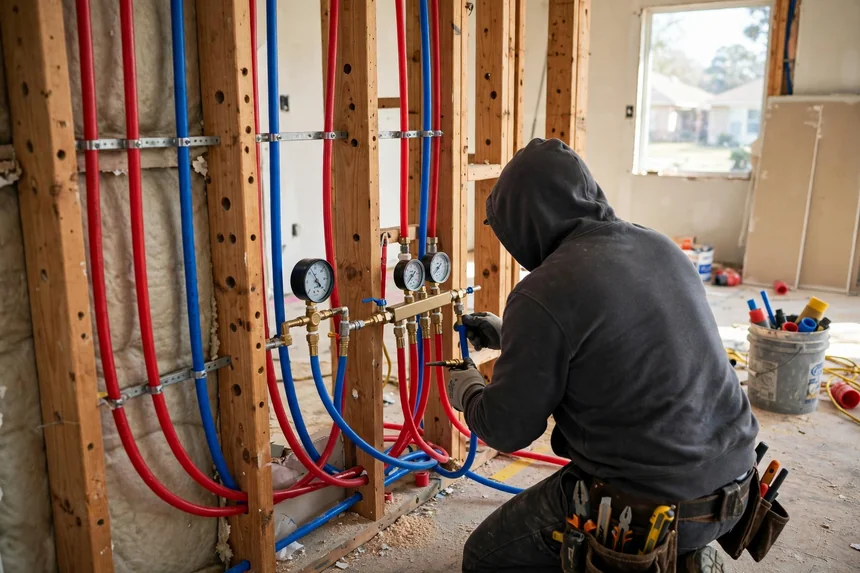
Every sewer repair starts with a camera inspection and ends with a flow test and inspection sign-off. Here's what's covered in a standard repair, and what gets quoted separately if the camera shows something extra.
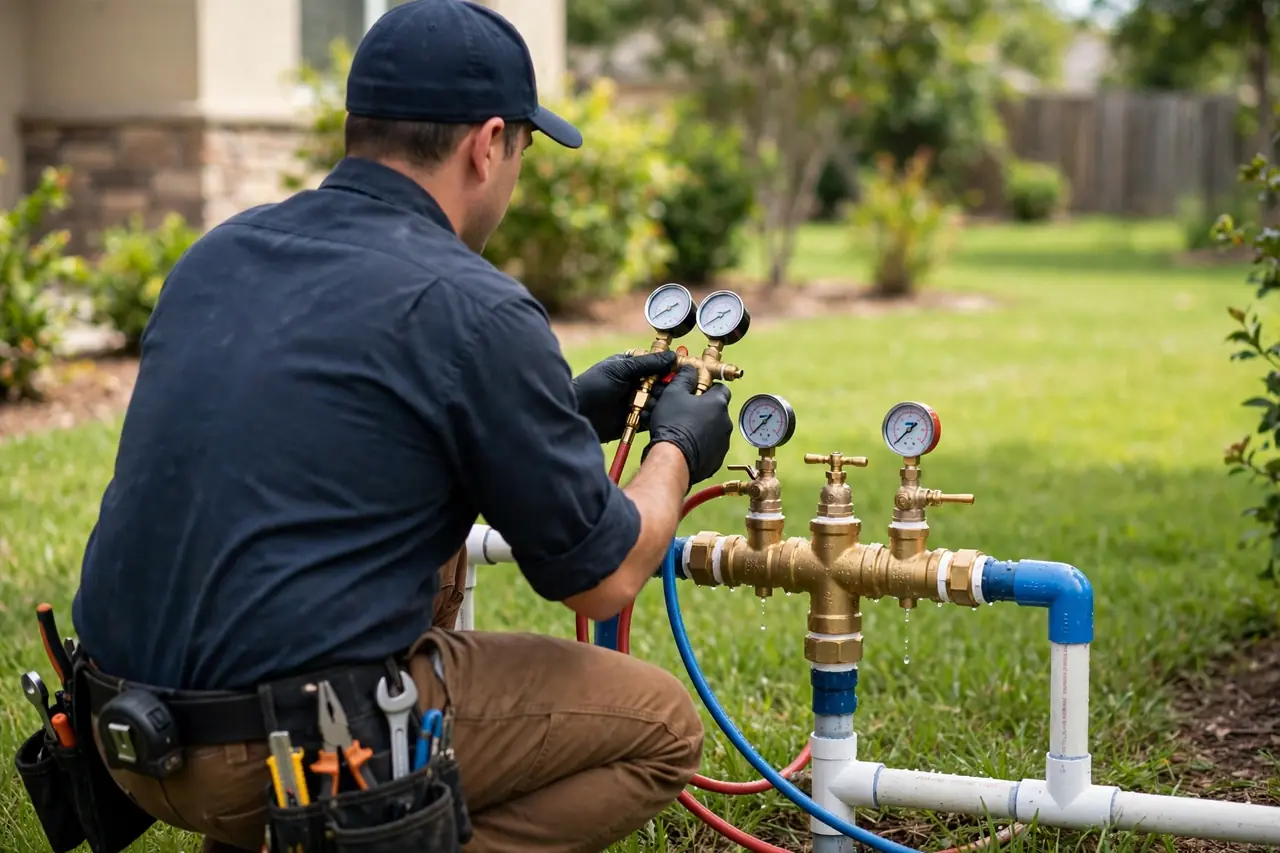
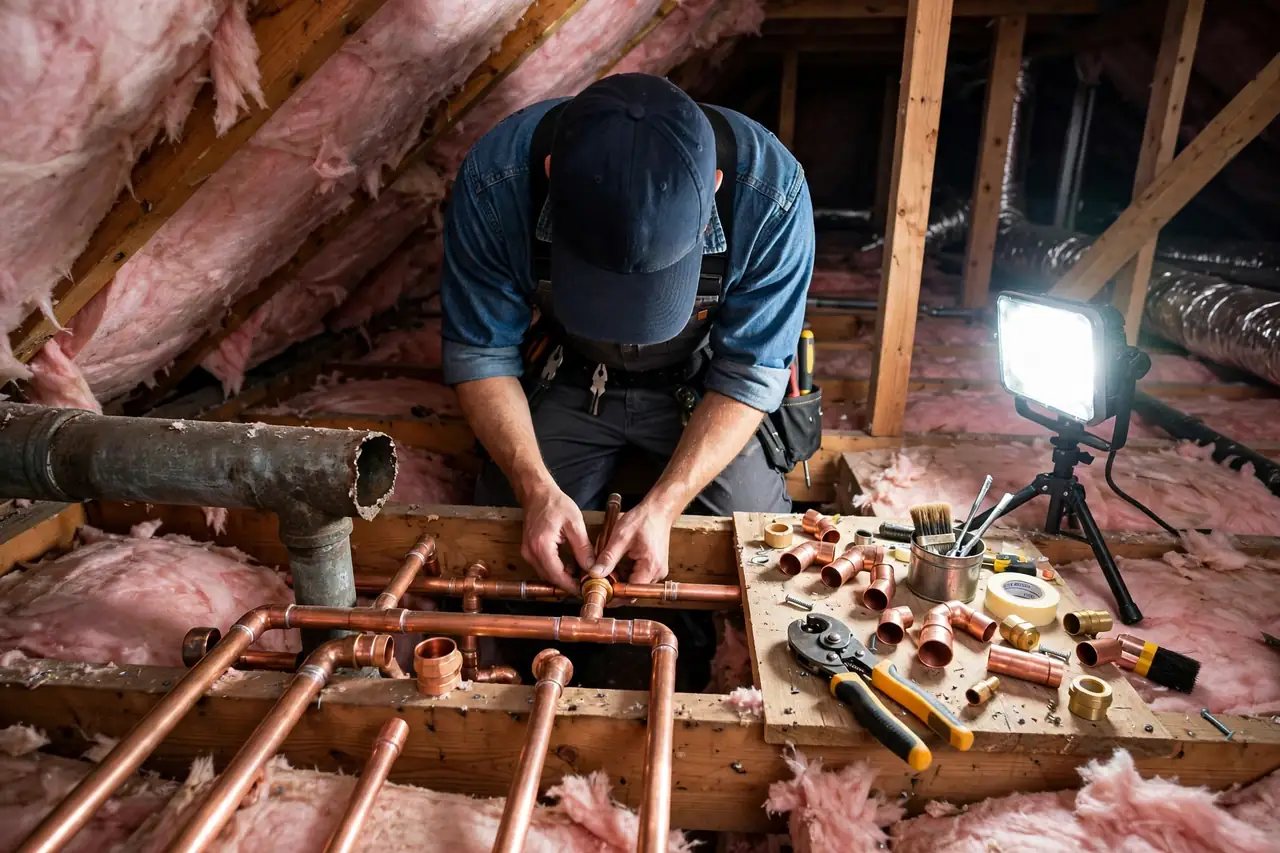
Homes in Houston deal with shifting clay soil, mature tree roots, and aging pipe under the slab. We camera the line, show you what failed, and repair it with the method that fits the pipe.
Restaurants, retail, and multifamily properties have larger sewer loads and tighter downtime windows. We schedule around your operating hours and coordinate permits with property managers.
Houston's older blocks still run clay and cast-iron laterals, and newer subdivisions run PVC. Expansive clay stresses buried pipe as it swells and shrinks, mature trees root at every joint, and grade loss creates bellies where waste collects. Laterals typically run 30 to 100 feet and sit 2 to 8 feet deep, and every sewer replacement in Houston gets a permit, with inspectors checking slope, bedding and cleanouts.
Repair starts with the camera. It shows whether the cause is a crack, a collapse, a belly or roots, and that decides whether a spot repair, a lining, a pipe burst or an open trench is right. The building sewer on private property is the homeowner's responsibility; the public sewer in the street belongs to Houston Public Works. We explain which side of that line your problem sits on before we dig.
The camera tells us whether the cause is a crack, a collapse, a belly or roots, and that decides the repair.
You get a clear sequence from the first call to the final test. Here's what to expect when you book sewer pipe repair Houston TX service with us.
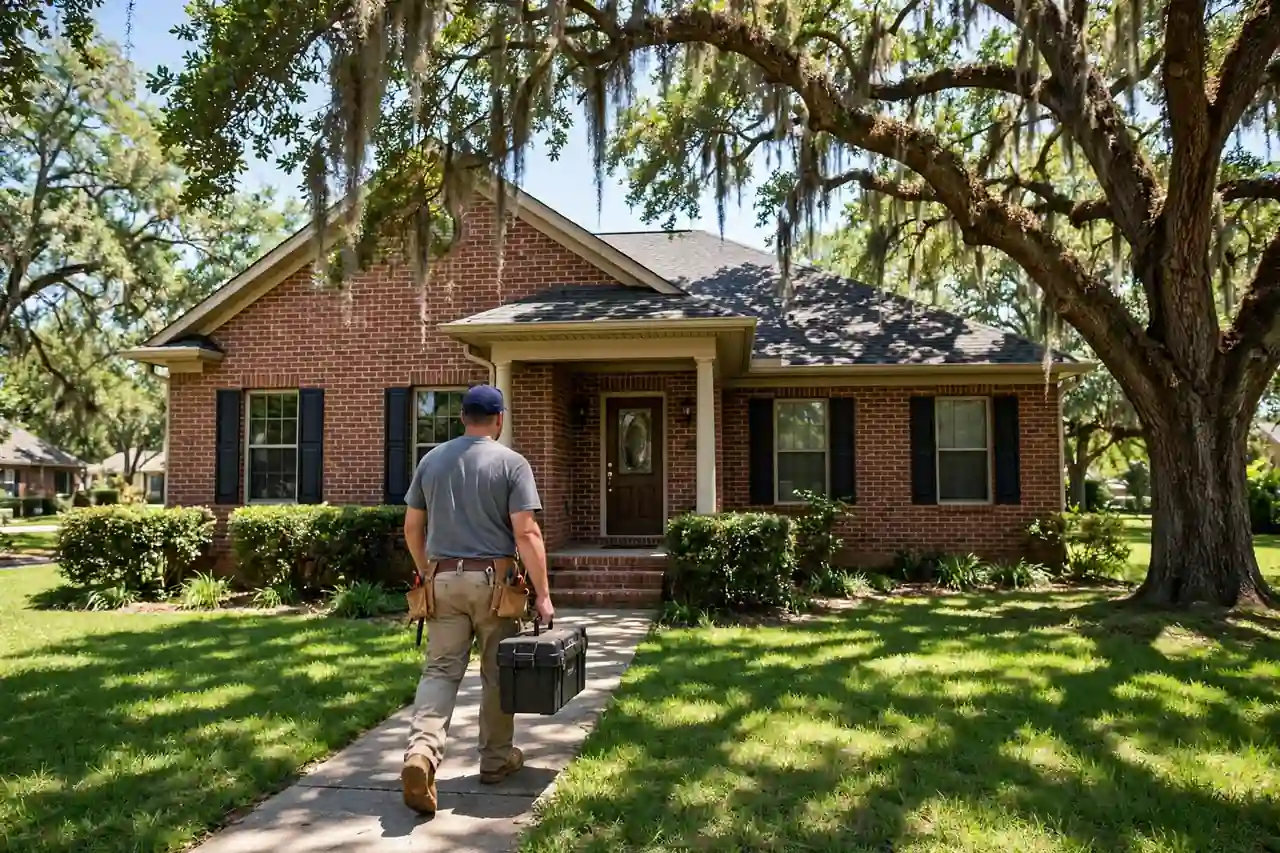
You call, describe the backup, and we ask the questions that matter: which drains are affected, whether the backup is sewage or gray water, and whether you have a cleanout. That call takes about five minutes and tells us whether to send an emergency crew or schedule a diagnostic visit. Most active backups get a prompt slot.
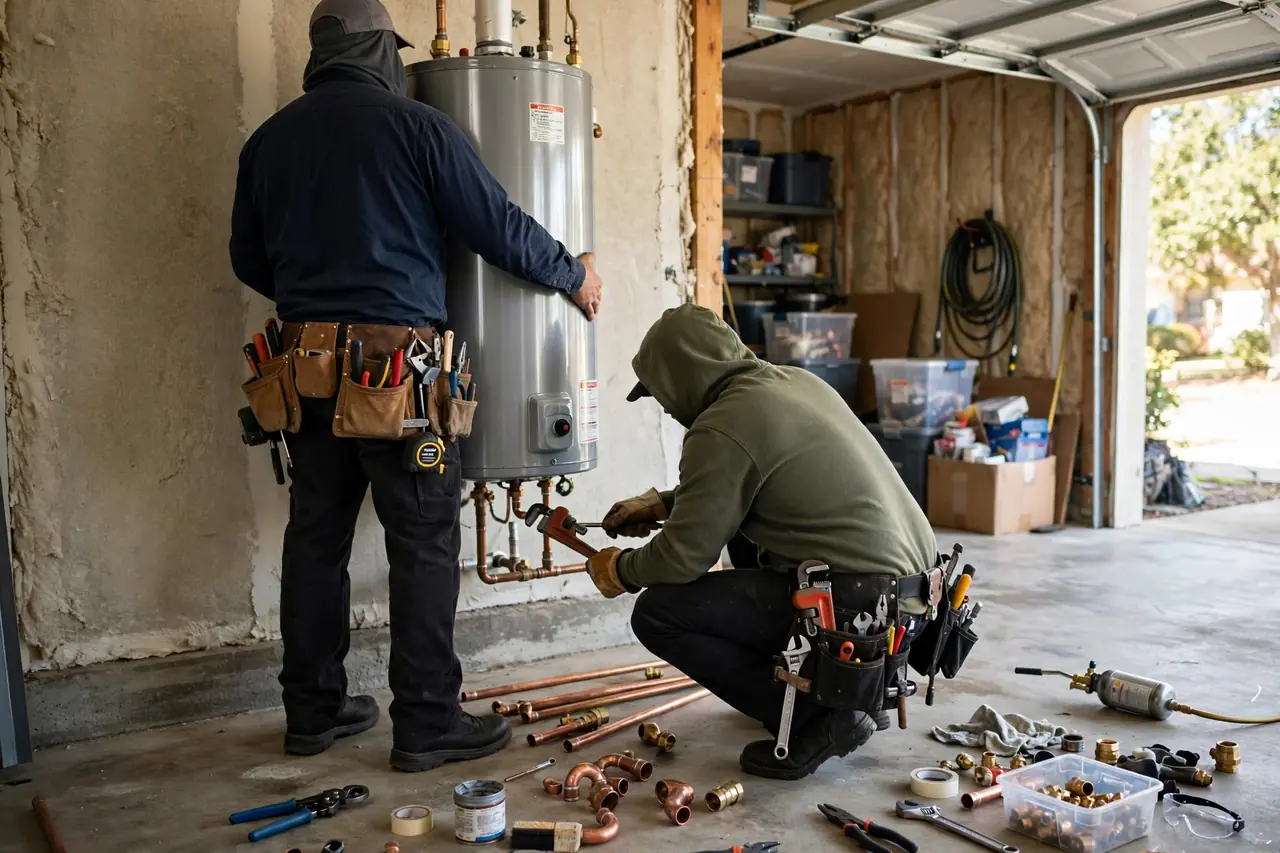
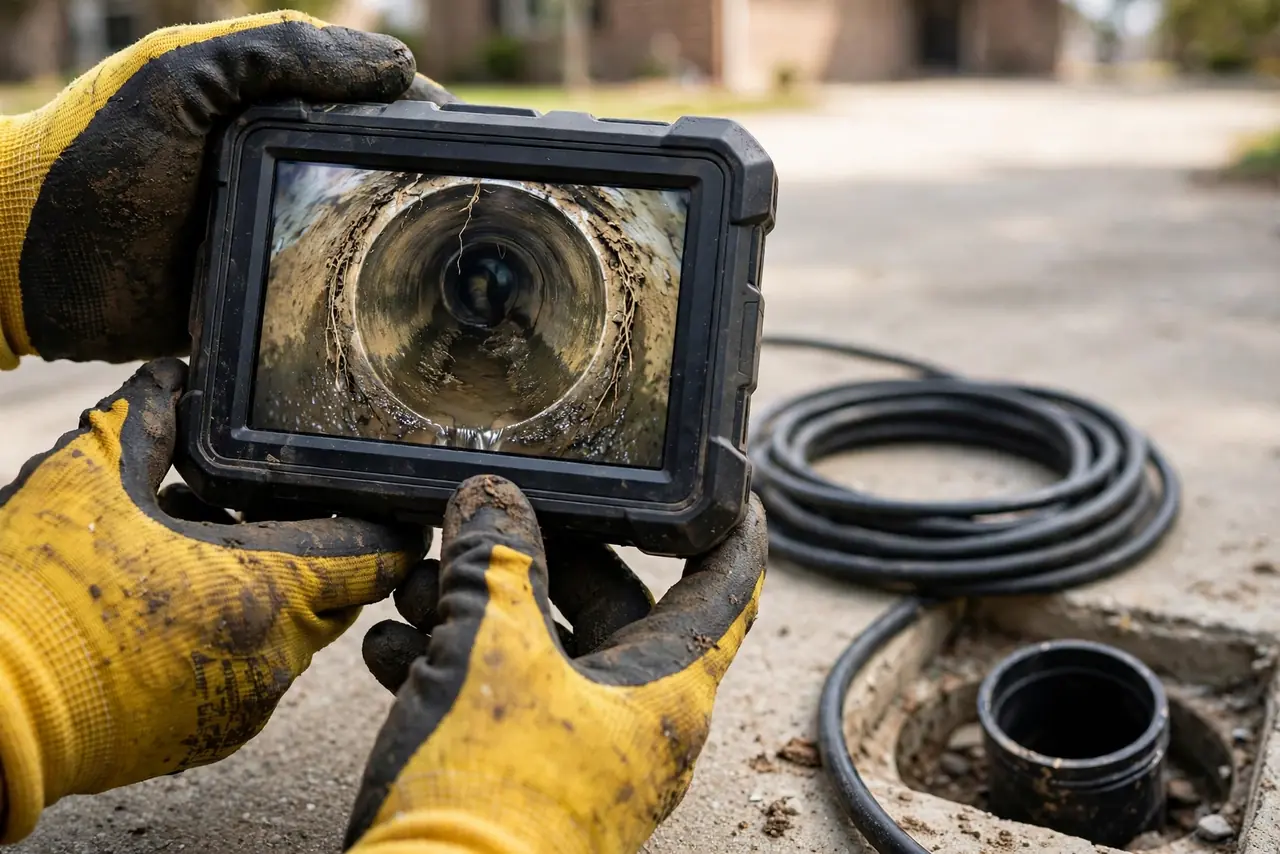
A technician runs a sewer camera from the cleanout to the city main, recording the full run. We measure the depth, check the grade, and locate the failure point with a sonde. You watch the footage with us. This step takes 45 to 90 minutes depending on line length and access.
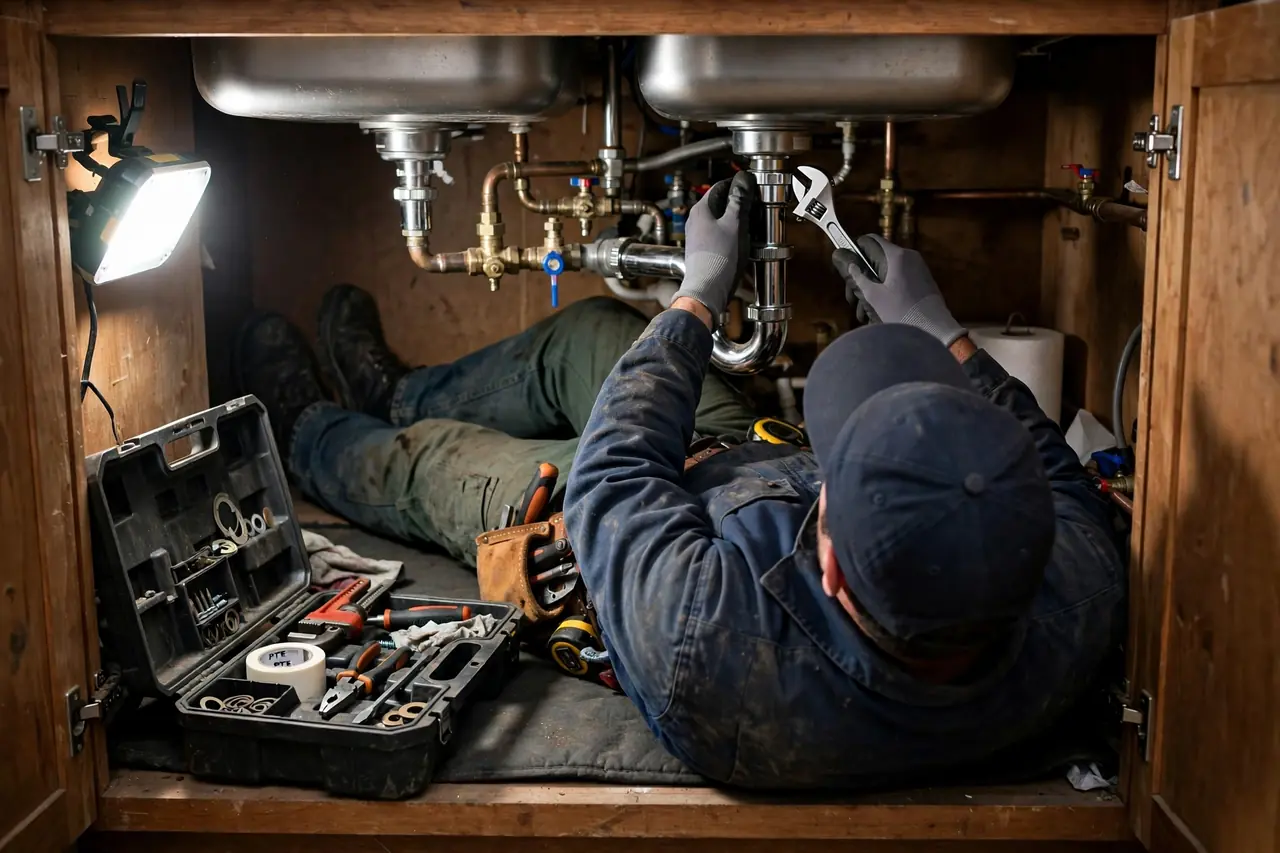
We hand you a written scope with the repair method, the pipe material, the footage of the failure, and a written estimate. If trenchless is an option, you see both numbers side by side. No pressure, no prompt-only discount games. You decide when you're ready.
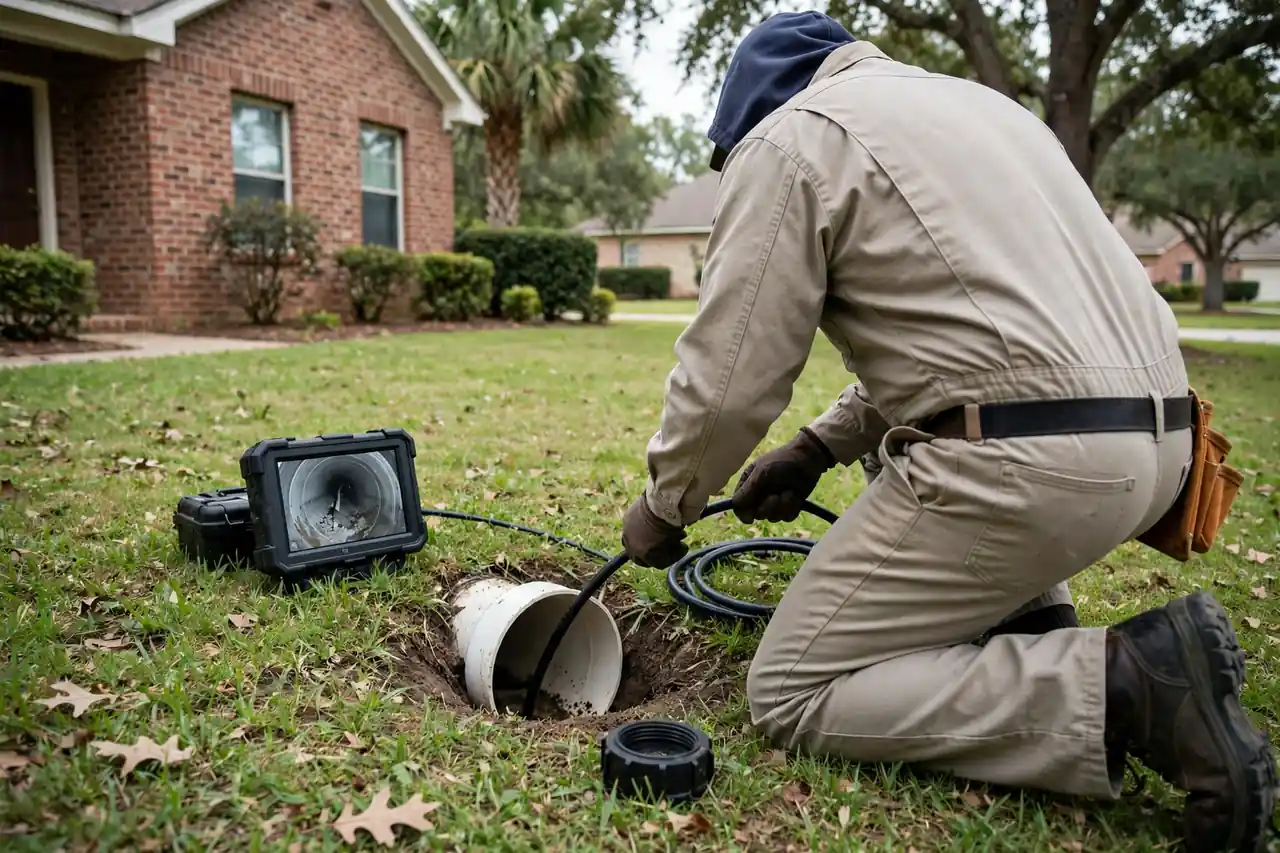
We pull the permit, excavate or line as scoped, and replace the failed section with PVC pipe or line the existing pipe. Most spot repairs finish in one day. Full replacements run two to three days. We backfill, compact, and restore the surface so the yard looks like we were never there.
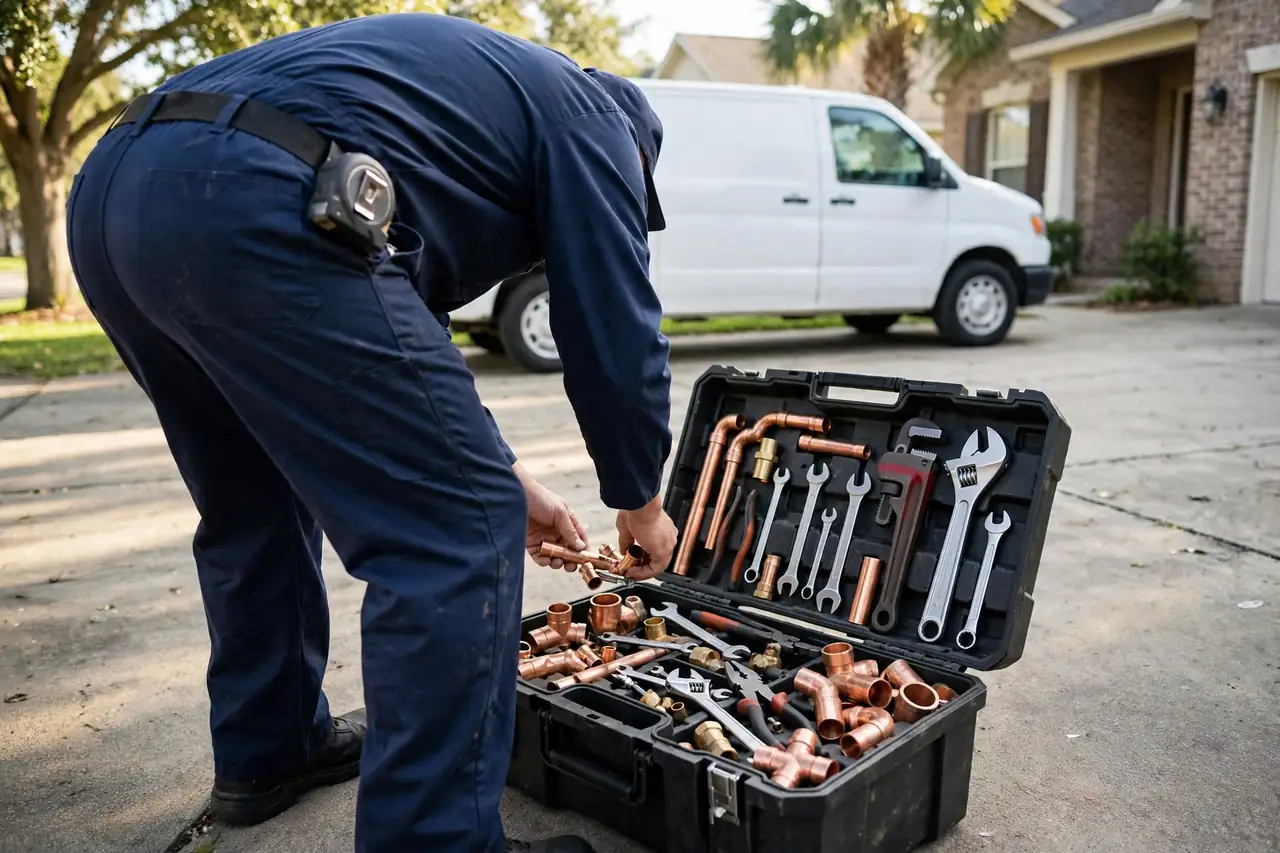
Before we leave, we run a flow test with the hydro jetting machine, re-camera the repair, and confirm the line drains at grade. You get the after-footage and the inspection sign-off. If the city inspector needs to see it, we meet them on site and hand you the approved paperwork.

Pushed through the cleanout to record the full run, locate the failure with a sonde, and show the customer the footage on screen before any repair is quoted.
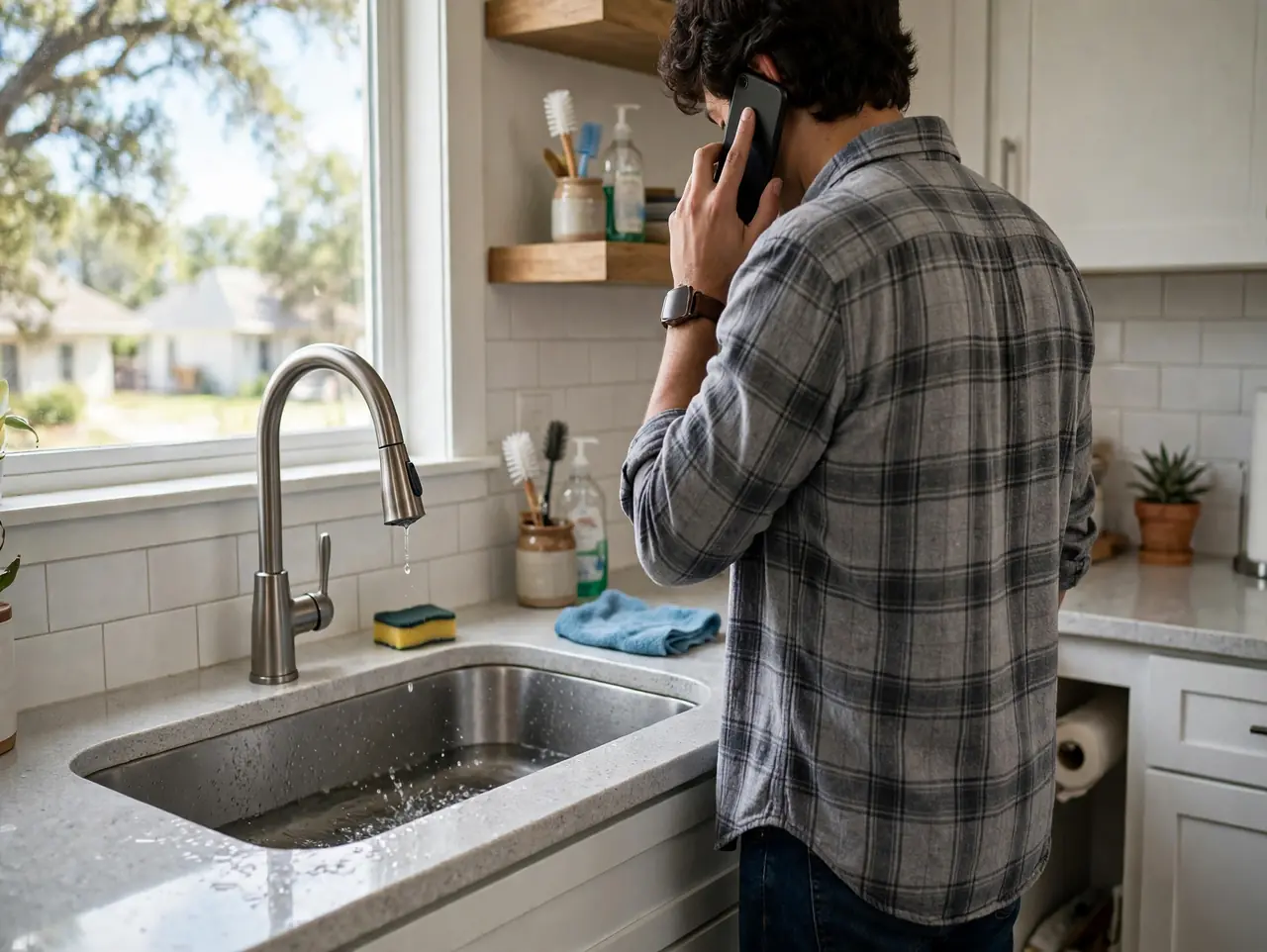
Clears grease, roots, and scale from the line at high pressure, and doubles as the flow test tool before we close a repair. It's the standard for sewer line cleaning and pre-repair prep.
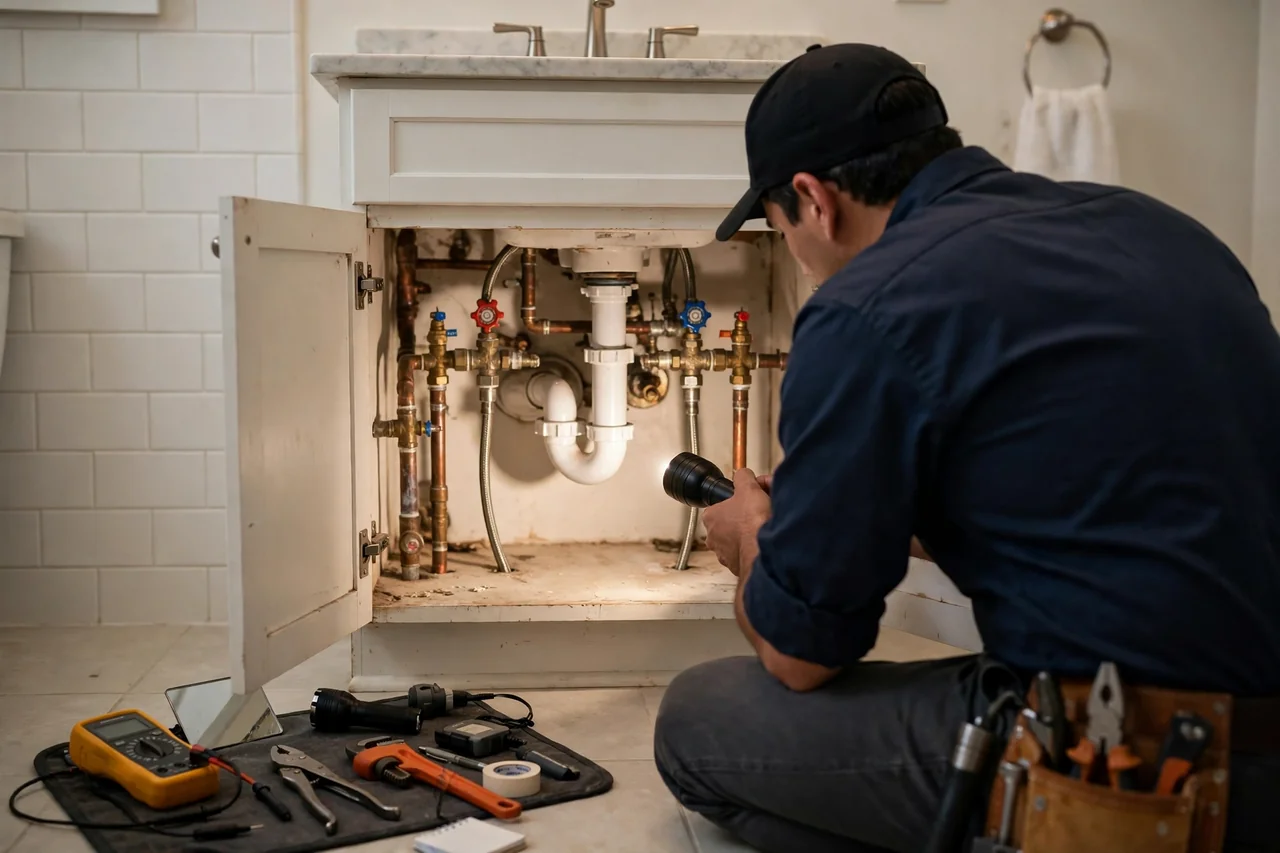
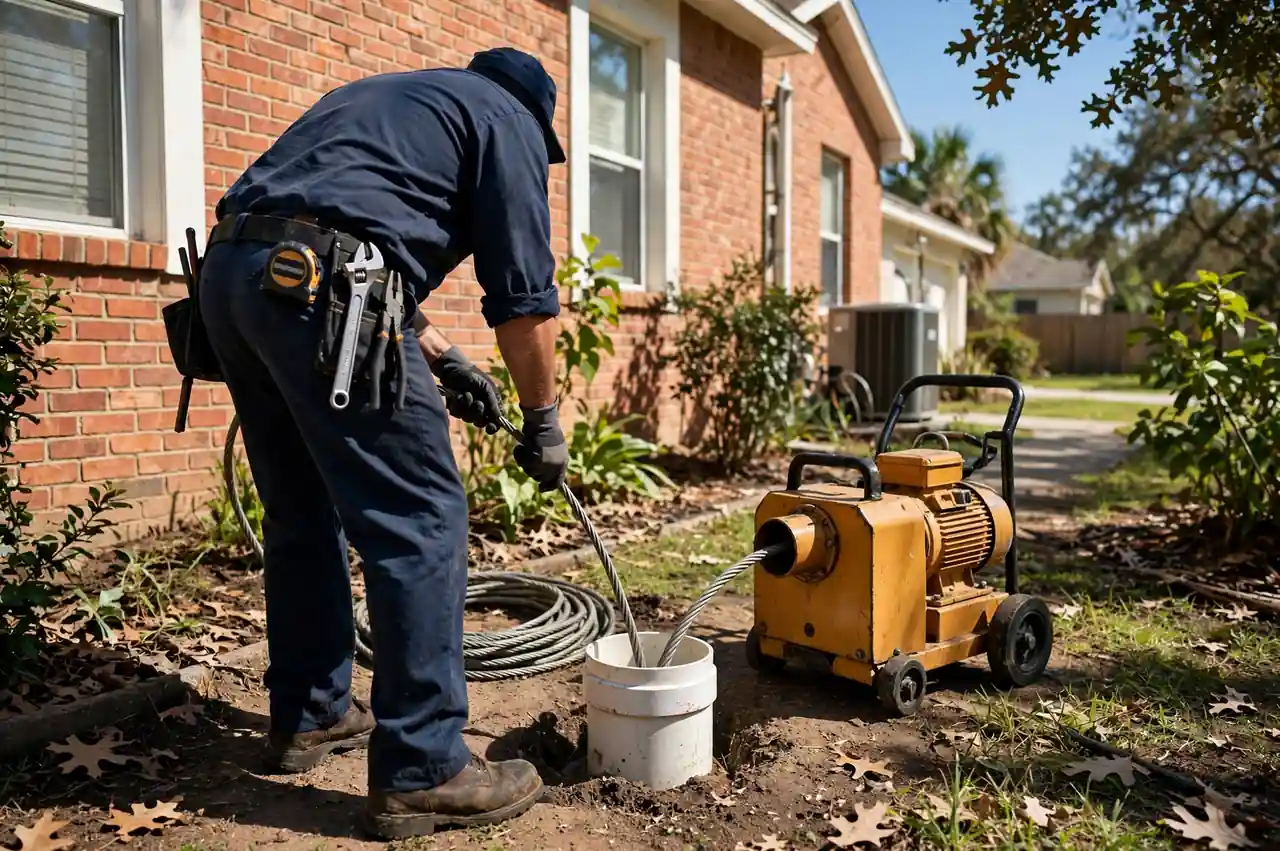
Clears blockages in branch lines and short runs where jetting isn't needed. We use it for quick clears and to confirm whether a backup is a blockage or a broken pipe.

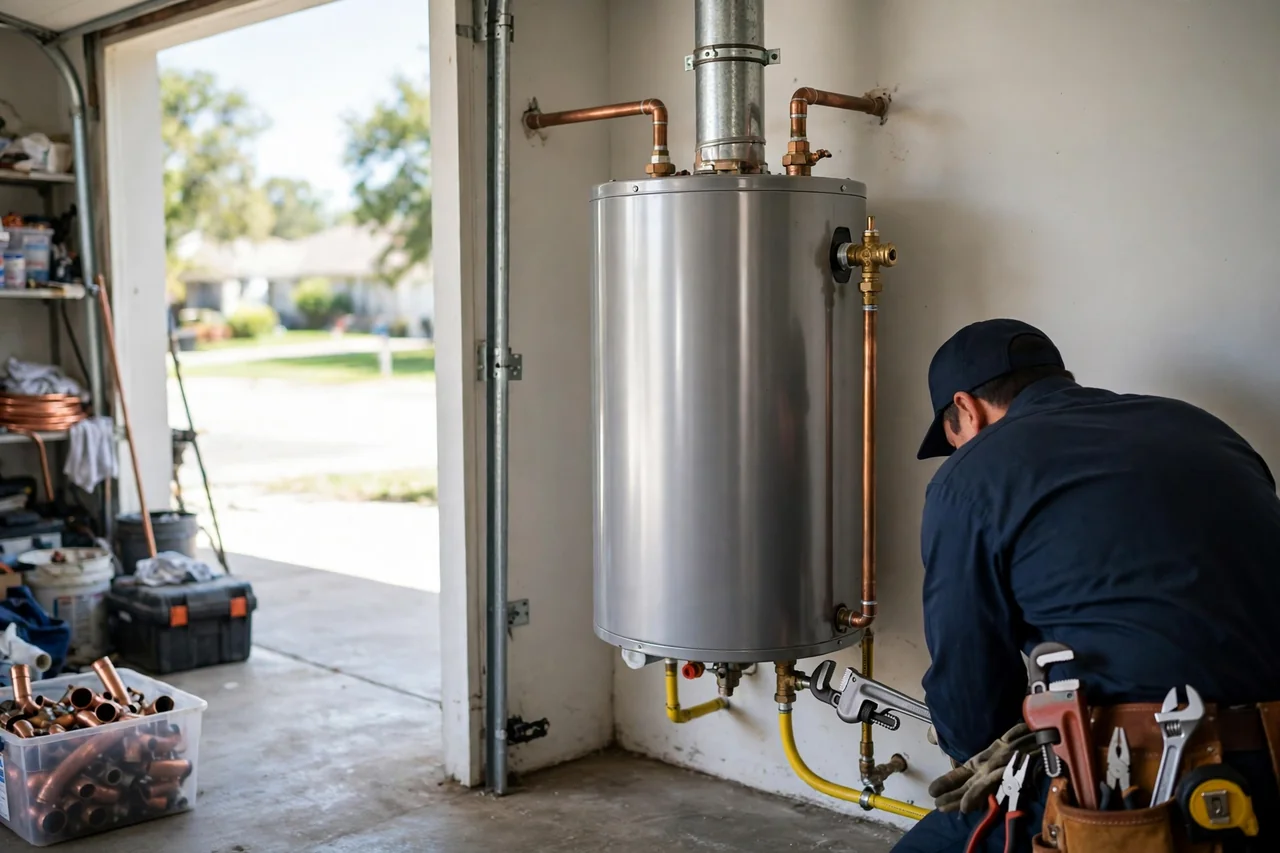
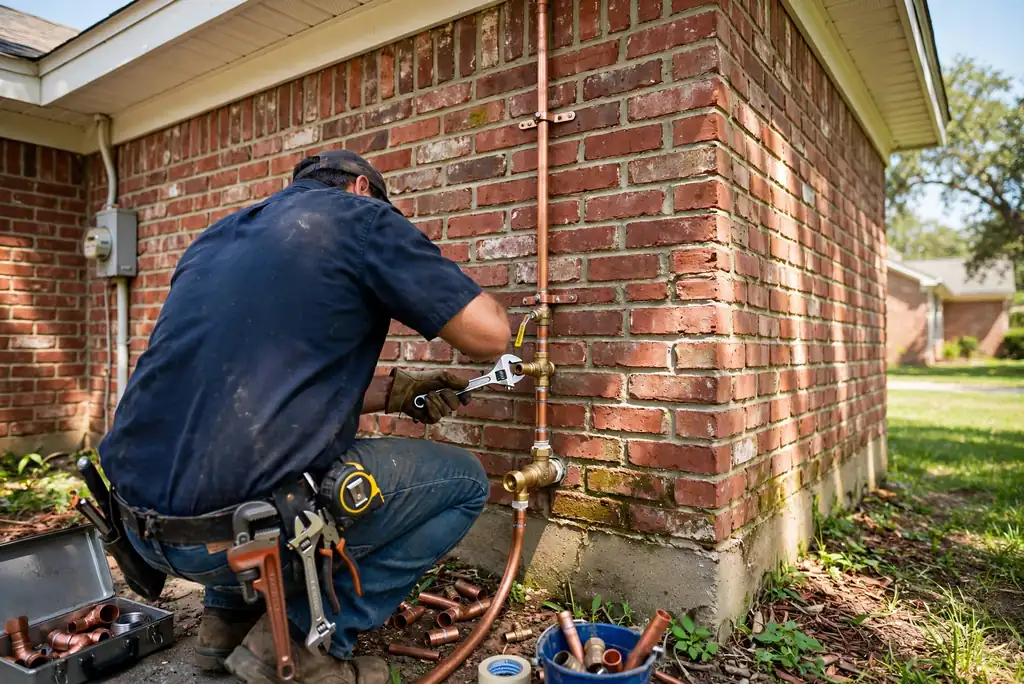
Cuts and joins pipe cleanly during repairs. Press fittings let us make code-correct joints without open flame in tight crawl spaces and near framing.
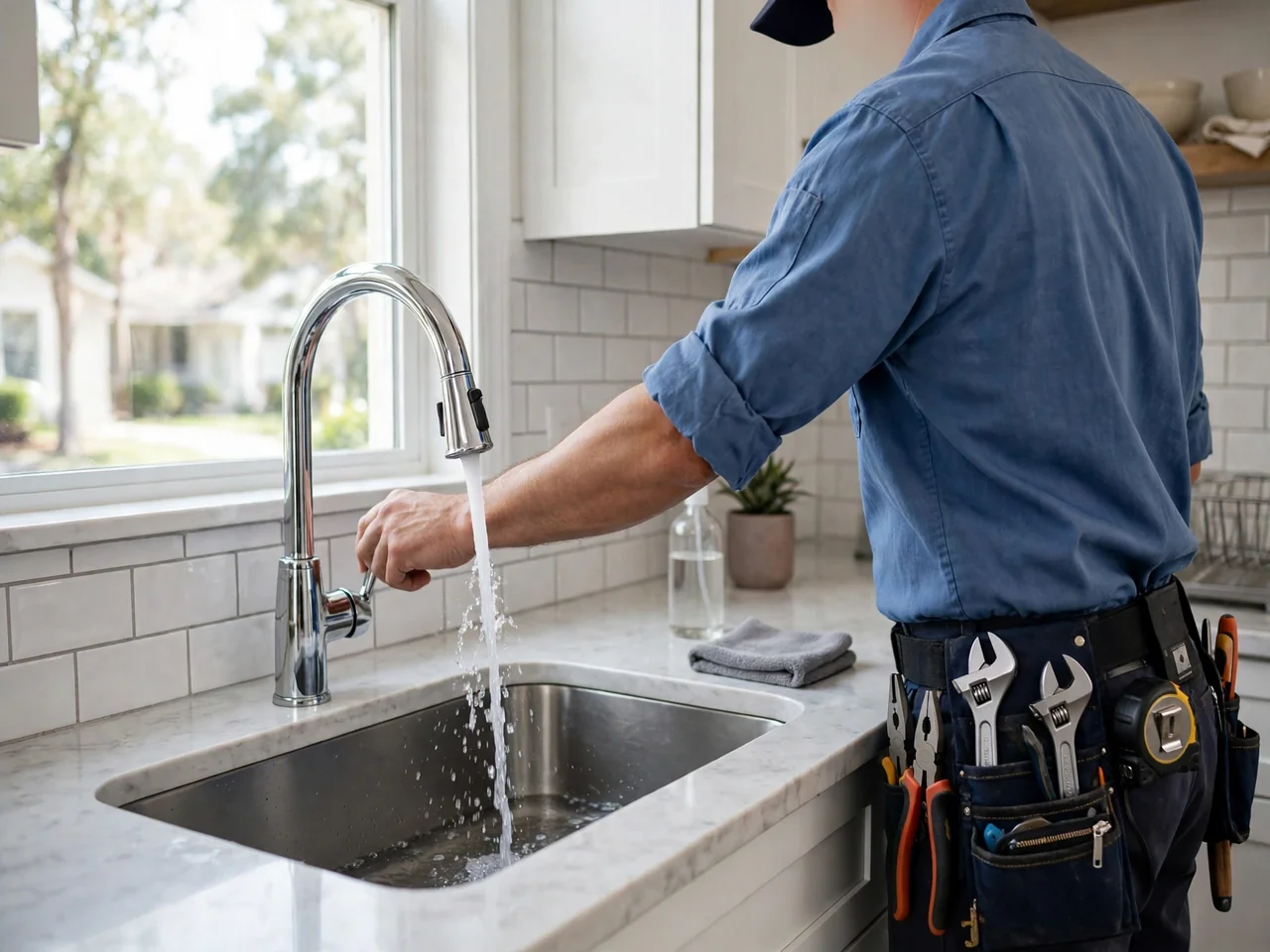
Listens for the sound of escaping water under the slab, which helps tell a sewer leak apart from a supply-side slab leak before anyone breaks concrete.
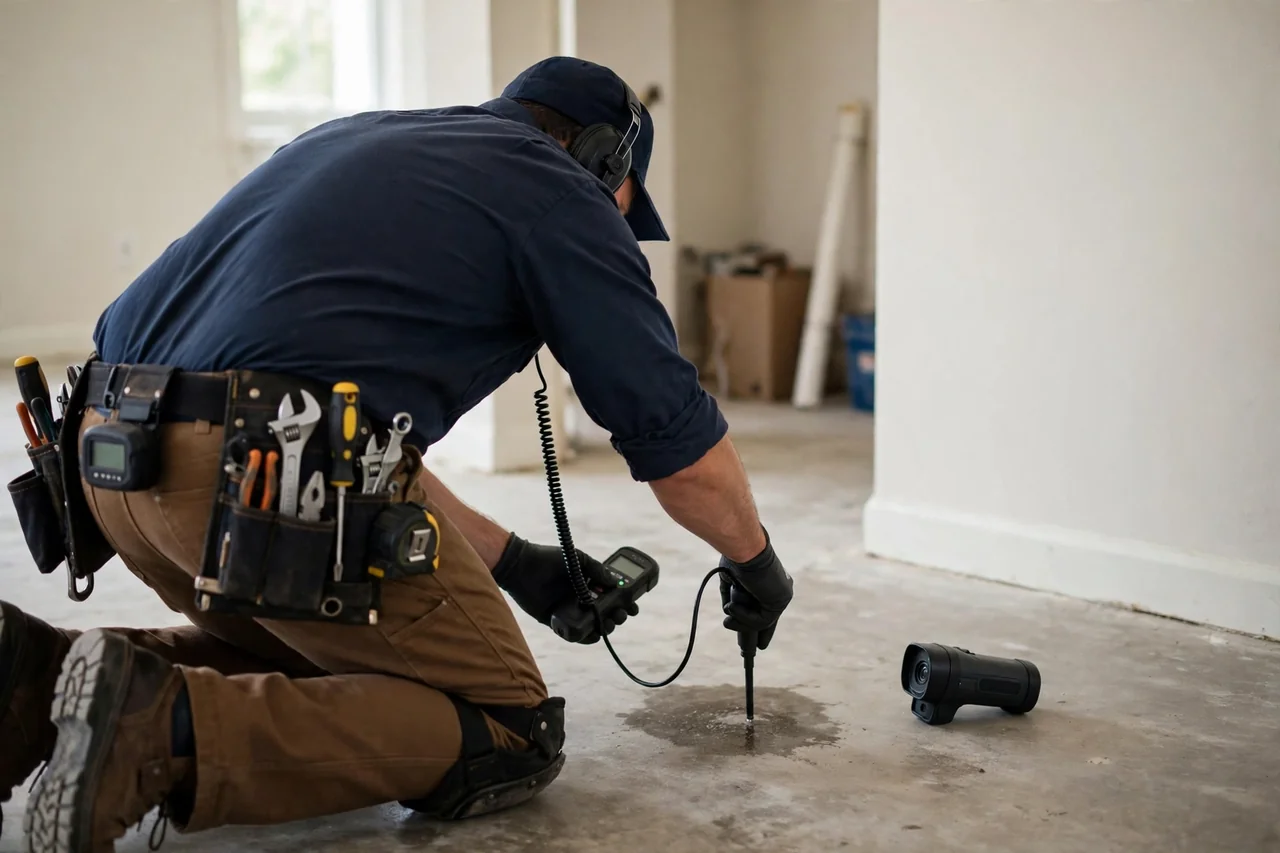
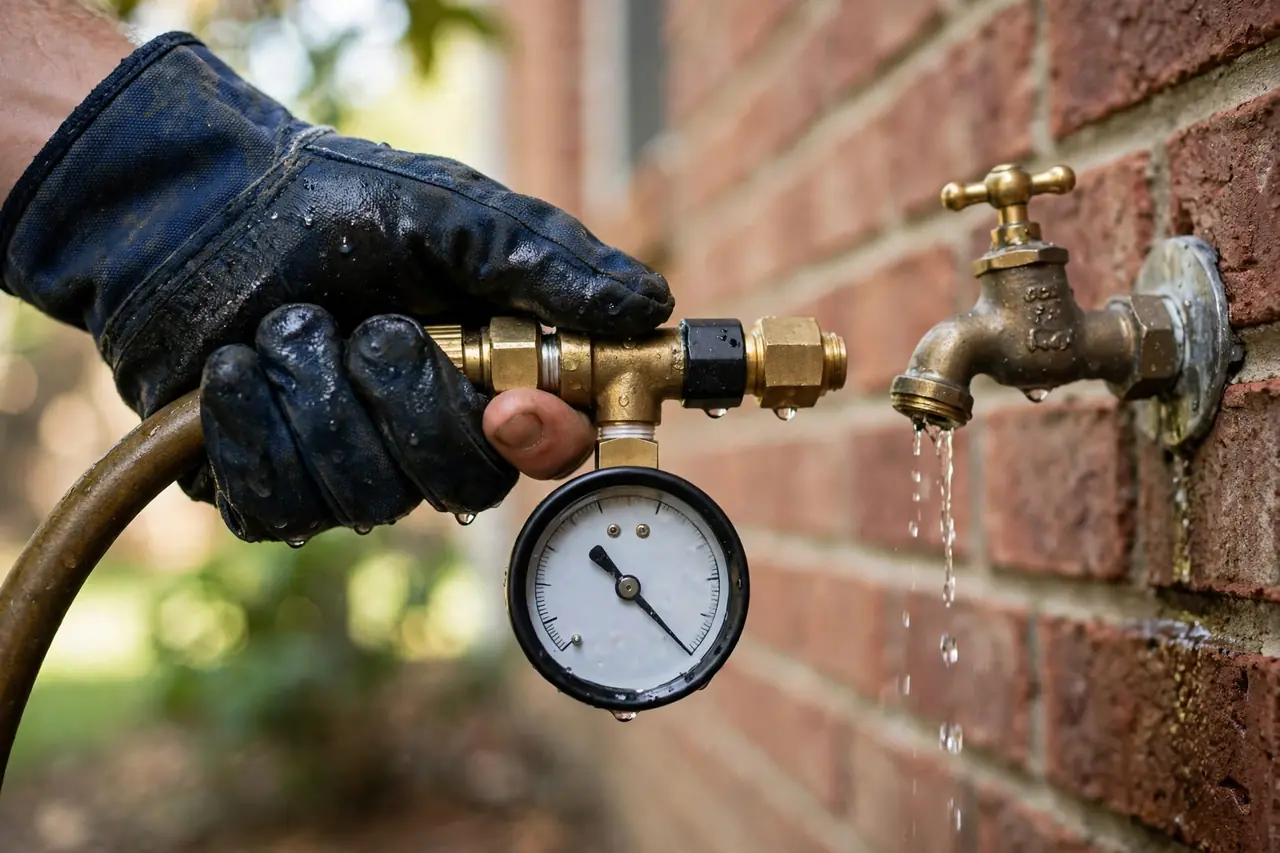
Used on supply-side tie-ins and temporary repairs where a fast, reliable connection matters. We match the fitting to the pipe material so the joint holds under pressure.
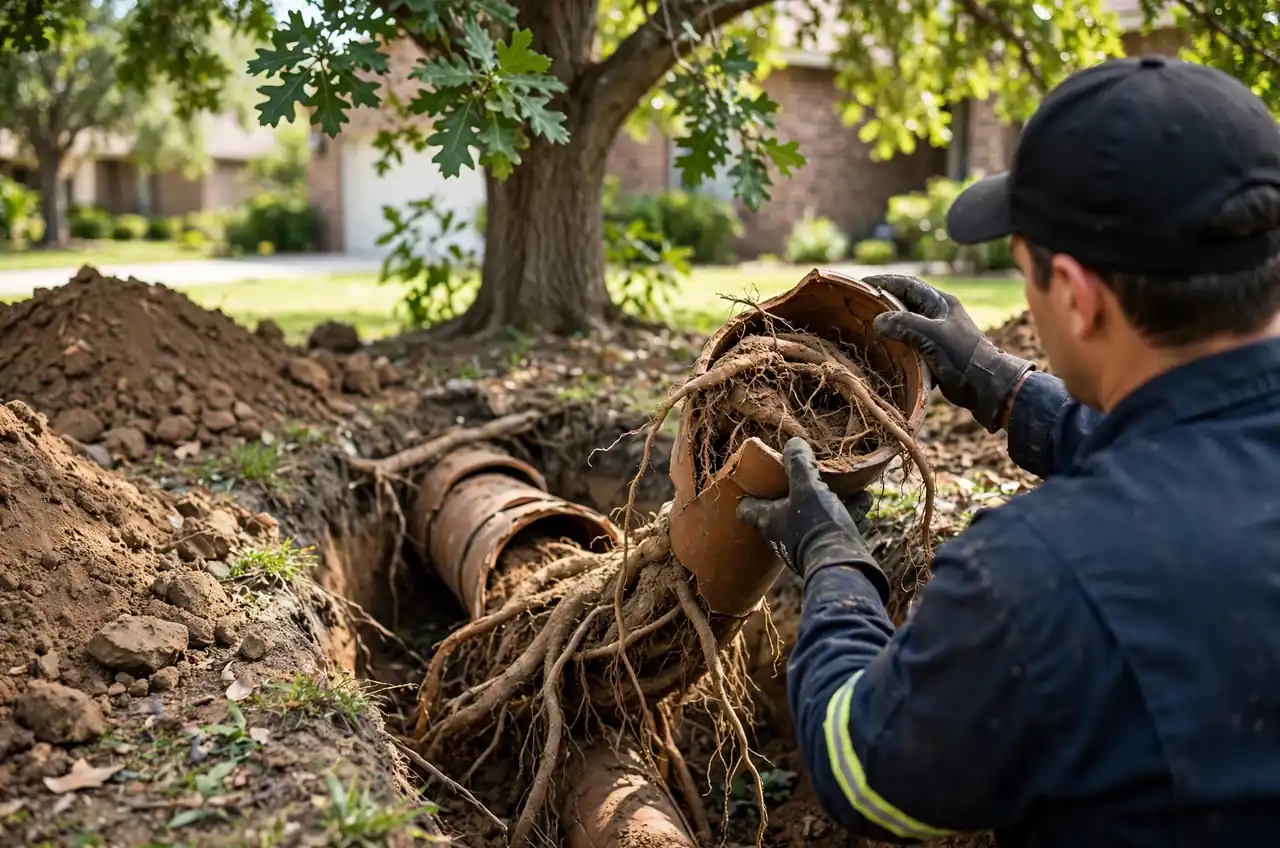
Every sewer repair starts with a camera inspection and recorded footage. We locate the failure with a sonde, measure depth and grade, and identify the pipe material before quoting. That sequence is what keeps a spot repair from turning into a full replacement by surprise.
A bursting head pulls new PVC pipe through the old line while fracturing the existing pipe outward. Excavation is limited to two small access pits instead of a full trench, which protects driveways, patios, and mature trees. We use it when the existing line is a candidate.
We run a camera from the cleanout, find a separated joint with root intrusion about 22 feet out, and quote a spot repair with PVC pipe plus root cutting. The permit gets pulled the same week, and the crew excavates a 4-foot pit in the yard. The line is repaired and flow-tested in one day. The soft spot is backfilled and sodded, and the homeowner schedules annual hydro jetting to keep the roots from returning.
We camera the full run during dry weather, find a belly in the line where the grade has settled, and recommend cured-in-place lining instead of excavation so the courtyard stays intact. The work is scheduled over two days to keep tenants in place. The lined line handles two heavy rain events the following spring with no backups. The property manager avoids rent loss and a courtyard rebuild, and gets a 25-year lining service life.
The camera shows a collapsed section of cast iron pipe about 30 feet from the house. We quote a spot replacement with PVC pipe, pull the permit, and excavate a 6-foot pit. The crew shored the pit, replaced the section, and tied it into the good cast iron on both sides. The smell is gone, the wet patch dries out, and the line passes inspection. The homeowner gets the after-footage and the approved permit paperwork for their records.
We dispatch an emergency crew, stop the flow, and clear the blockage with a drain snake and hydro jetting machine. The camera shows grease buildup and a cracked section under the slab. We schedule the repair for Monday morning before service and set up a temporary fix over the weekend. The restaurant stays open through the weekend with a temporary fix, and the permanent repair is completed Monday before the lunch rush. The owner avoids a full weekend of lost revenue.
Clay and cast-iron laterals in the Heights, Montrose and River Oaks are the repair cohort, while 1960s to 1980s laterals in Sharpstown and Meyerland are reaching end of life. Trenchless options matter most where driveways, patios and live oaks sit on top of the line.
A 1940s bungalow had repeated backups every few months, and snaking only bought a few weeks. The camera showed a collapsed section of cast iron pipe about 18 feet from the cleanout, with root intrusion at two joints. The homeowner had been quoted a full replacement by another company.
We replaced the failed 18-foot section with PVC pipe and cut the roots at both joints. The line passed inspection once the repair was done, and the homeowner scheduled annual hydro jetting. The backups stopped, and the repair cost about a third of the full replacement quote.
Annual hydro jetting keeps roots from returning to the repaired joints. We also camera the line every two years to catch new movement before it becomes a backup.
A 1990s home in Katy had a slow main drain and a wet patch in the yard after heavy rain. The camera showed a belly where the grade had settled about 30 feet out, holding water and debris. The line was PVC and otherwise sound, so a full replacement wasn't necessary.
We excavated the belly, re-graded the section, and replaced about 10 feet of PVC pipe. The flow test confirmed the line drained at grade, and the wet patch dried out within a week. The repair took one day and cost well under a full replacement.
We recommend camera inspection every two years in areas with shifting clay soil, since a new belly can form as the ground moves. Keeping the line clear of grease helps too.
A restaurant in EaDo had sewage backing up into the kitchen floor drains during Friday dinner service. The camera showed grease buildup and a cracked section under the slab. The owner needed the line working before the weekend rush and couldn't afford to close.
We cleared the blockage with a drain snake and hydro jetting machine, set up a temporary fix, and returned Monday morning to replace the cracked section with PVC pipe. The repair passed inspection, and the restaurant reopened for lunch with no lost service days.
Quarterly hydro jetting keeps grease from rebuilding in the line. We also camera the repaired section annually to confirm the joint is holding and the grade is still correct.
Most sewer calls come down to a handful of failures. We diagnose which one you have with a camera before recommending a repair, which is how sewer line repair Houston Texas stays affordable.
We camera the line, locate the root mass, and cut it out with a rooter, then evaluate the pipe condition. If the pipe is sound, scheduled hydro jetting keeps it clear. If the roots have cracked the pipe, we repair or line the section so the problem stops coming back. Root intrusion in sewer line gets worse each season. Snaking clears the flow temporarily, but the roots grow back thicker and eventually crack the pipe or collapse a joint, turning a simple cleaning into a major excavation.
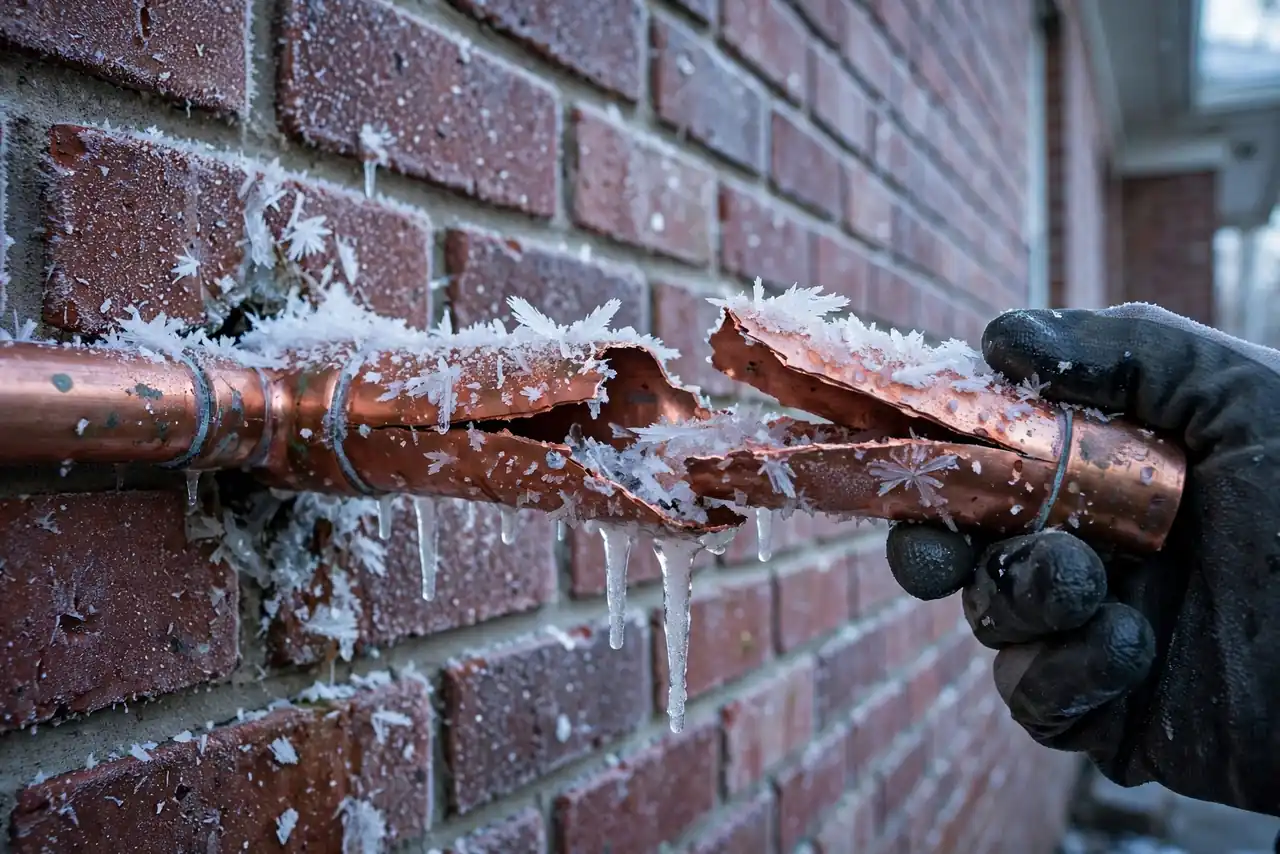
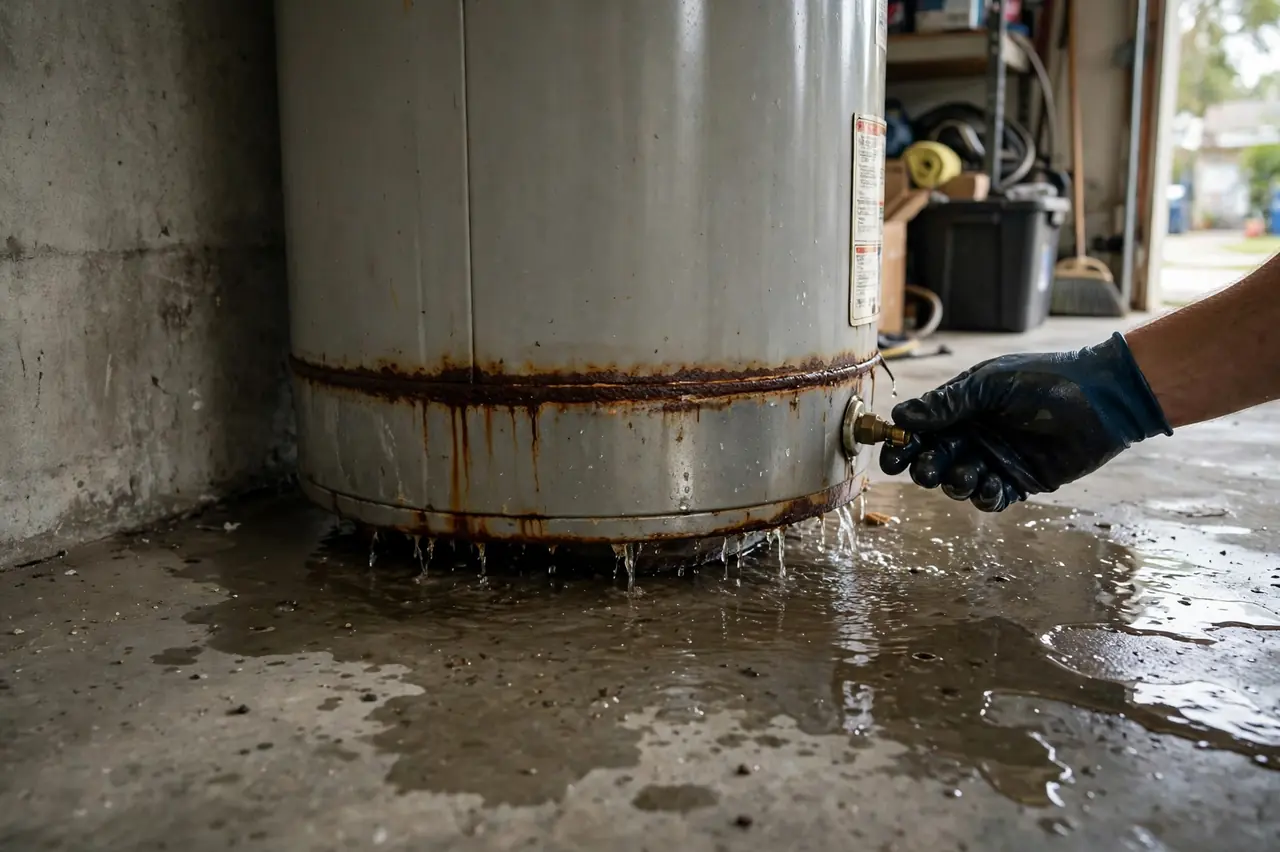
We locate the failure with the camera and sonde, then excavate or line the section. If the pipe has bellied, we correct the grade. We backfill, compact, and restore the surface, and we test the line before we close the pit. A collapsed or separated pipe leaks sewage into the soil. That saturates the ground, creates a sinkhole risk, and can contaminate the water table. Left alone, the leak undermines the slab and the driveway, and the repair cost climbs with every week.

We camera the line during dry conditions to find sags and separations, check the backwater valve if one is installed, and repair the failed section. If the city main is the cause, we document it and coordinate with the city while protecting your side of the line. Rain-driven backups usually mean the city main is surcharged or the line has a sag that fills with water. Either way, the backup brings sewage into the house, which is a biohazard and a health risk for anyone in the home.
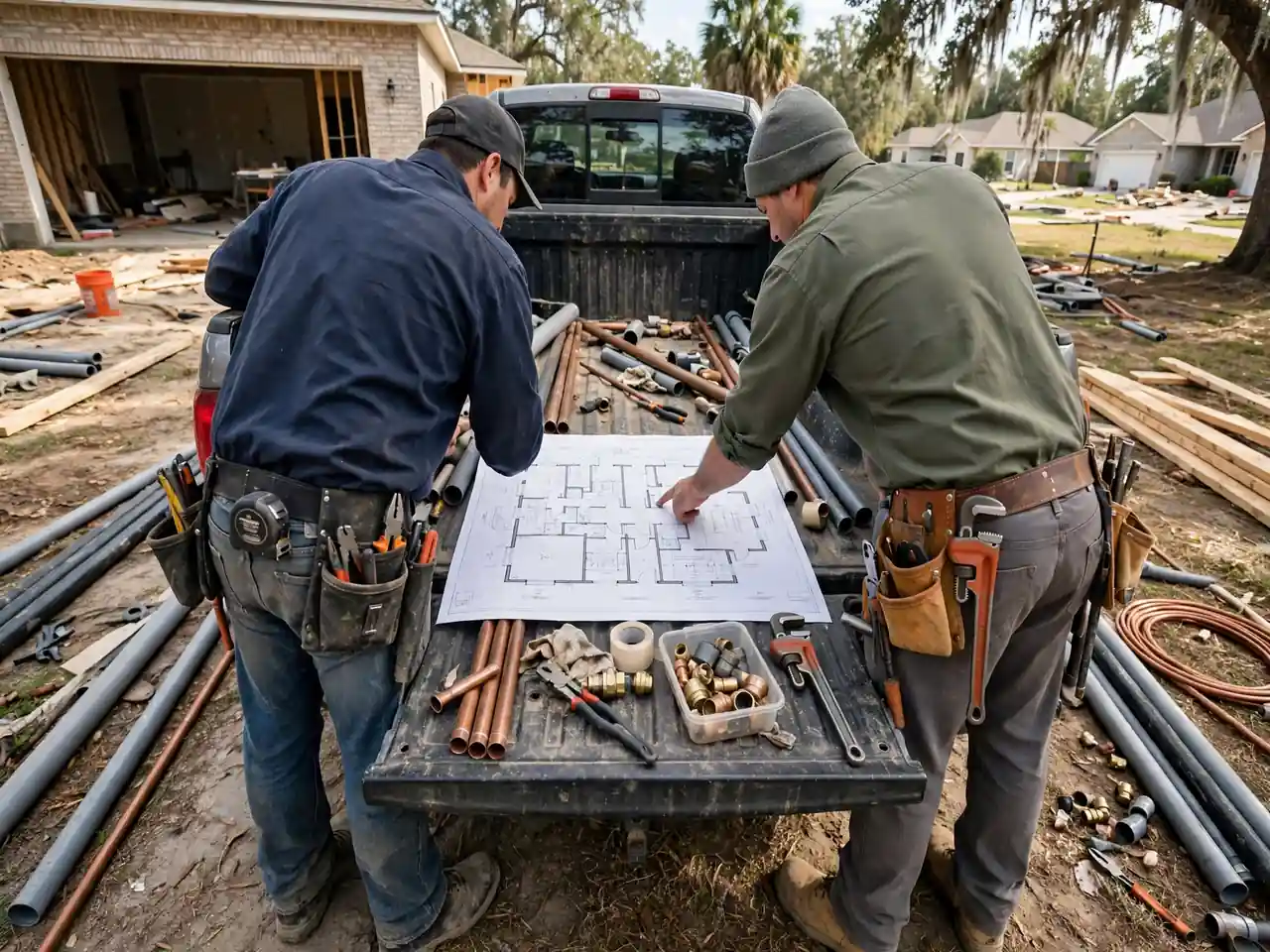
We camera the full run and assess the pipe condition end to end. If the line is failing in multiple places, we quote a full replacement with PVC pipe rather than a series of spot repairs. One permit, one project, and a line that lasts decades. Cast iron pipe rusts from the inside and eventually collapses. Orangeburg, used in the 1940s and 1950s, deforms and crushes under load. Both fail without warning, and a spot repair on a failing line often just moves the problem a few feet down the run.
We push a sewer camera through the cleanout and record the footage before quoting. You see the root mass, the crack, or the belly on screen. That means no guesswork and no paying for a repair the pipe doesn't need, which is the difference between a real fix and a repeat visit in six months.
Trenchless sewer line repair Houston work saves your driveway, patio, and mature landscaping. We use pipe bursting and cured-in-place lining when the existing line is a candidate, which cuts excavation to two small access pits instead of a 40-foot trench across the front yard.
Sewage backup is a biohazard, not a wait-until-Monday problem. We prioritize emergency sewer line repair Houston near me calls with active backup, and most jobs get a technician on site during our hours — Monday through Sunday, 7:00 AM to 10:00 PM — to stop the flow, clear the blockage, and stabilize the line until the full repair is scheduled.
Sewer work in Houston requires permits and inspection, and we pull them. Repairs follow the 2021 Uniform Plumbing Code with Houston Amendments as adopted locally, so the work passes inspection and doesn't become a surprise when you sell the house. We handle the paperwork and meet the inspector on site.
Clear records you can keep and share.
Before and after, handed to you.
Repair method, material, and written estimate.
Permit approved and paperwork in hand.
Not every backup needs a repair, and not every repair needs a full replacement. The camera tells you which one you're dealing with, and that's why we run it first.
A blockage clears with a snake or jetting. A break needs a repair. The camera shows which one you have before anyone digs.
A single failed section gets a spot repair. A line failing in several places gets a replacement. Repairing one spot on a failing line just moves the problem.
Trenchless works when the pipe shape is intact and the line has a clear path. A collapsed or offset line rules it out, and we show you why.
Not every backup needs a repair, and not every repair needs a full replacement. Here is how the two compare.
| Repair | Replacement | |
|---|---|---|
| When it fits | A single failed section gets a spot repair. | A line failing in several places gets a replacement. Repairing one spot on a failing line just moves the problem. |
| What the camera shows | Whether you have a blockage or a break. A blockage clears with a snake or jetting; a break needs a repair. | The defects along the line, marked before quoting. The footage shows whether a spot repair or a full replacement is the right call. |
| Trenchless | Works when the pipe shape is intact and the line has a clear path. A collapsed or offset line rules it out. | Works when the old pipe can guide the new one. If the line has collapsed or has a sharp bend, open trench may be the better route. |
| Permit and inspection | A permit where the City requires one, and a written estimate before we start. | A City permit, inspection, and a camera check of the finished run. |
| Finished result | A clear line, a written estimate, and a repair that passes inspection. | A tested new line that drains right and stays put. We test the line with the camera before backfill. |
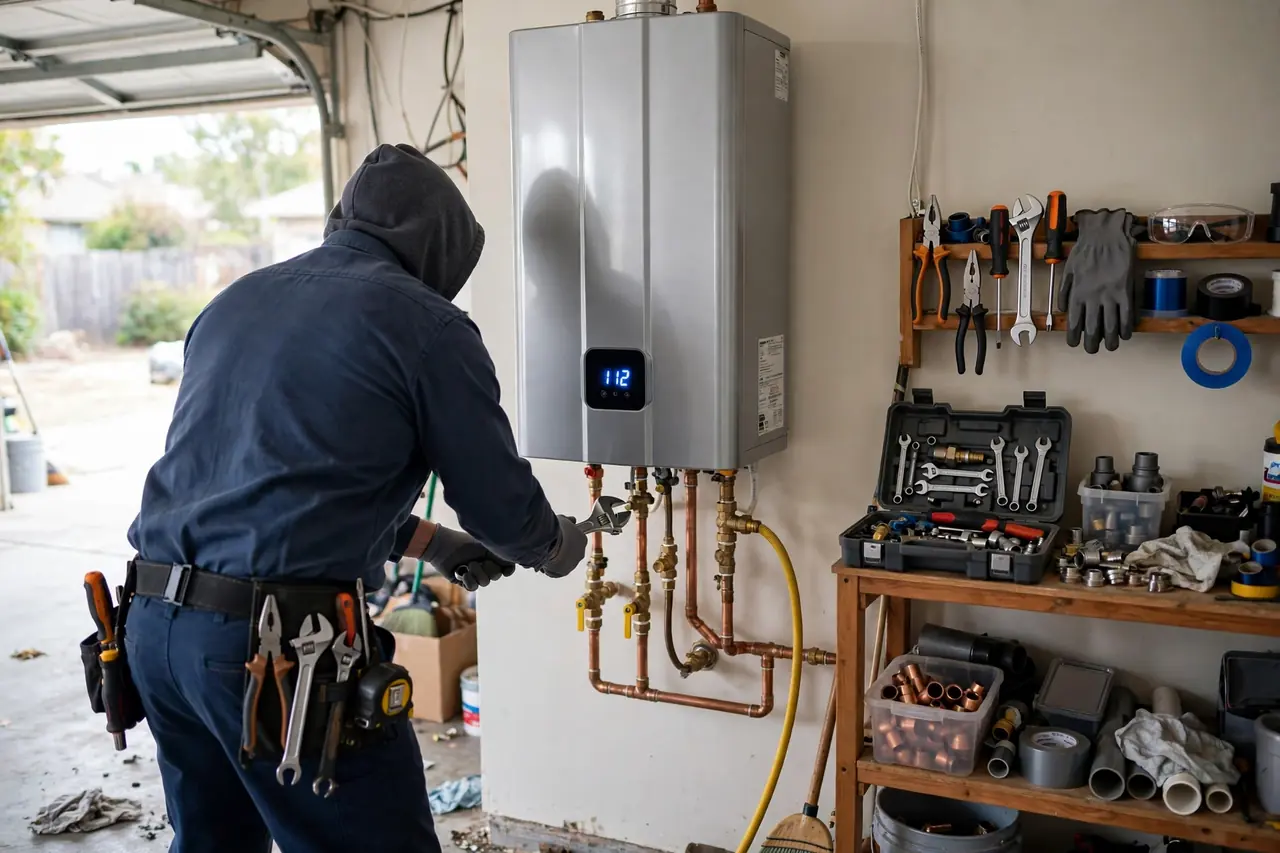
Outside these areas? Call and ask if we can reach you. (346) 776-8560
A clog clears and stays clear. A broken line blocks again, smells, or shows wet spots and sinkholes in the yard. A camera inspection shows the difference: a crack, collapse, belly or root mass is visible on the screen.
Yes for replacement, and for most repairs beyond a minor fix. Every sewer replacement in Houston gets a permit, and inspectors check slope, bedding and cleanouts. We confirm the permit position for your job before we start.
Repair fixes a damaged section, such as a cracked joint or a short collapsed run. Replacement renews the whole lateral from the house to the public main. The camera decides which one your line needs.
Yes. Estimates are free. We camera the line first, show you the footage, and give you a written scope to approve before any digging starts.
Call (346) 776-8560 for a free estimate. We camera the line, show you the footage, and repair the damaged section, Monday to Sunday, 7:00 AM to 10:00 PM.
Call us at (346) 776-8560 to book sewer line repair or ask a question. We are open Monday to Sunday, 7:00 AM to 10:00 PM, and estimates are free.
The fastest way to book is a phone call. Tell us what is happening and we will give you a free estimate and a time that works, Monday to Sunday, 7:00 AM to 10:00 PM.
Open Mon–Sun, 7:00 AM–10:00 PM. Free estimates.