Camera footage
Before and after video of the line
Sewer line replacement in Houston is the work of replacing the full lateral from the house to the public main, with a City permit, inspection, and a camera check of the finished run. When a lateral is failing along its whole length, spot repairs stop making sense. El Primo Lalo Plumbing replaces the full sewer line from the house to the public main, with a City permit, inspection, and a camera check of the finished run.
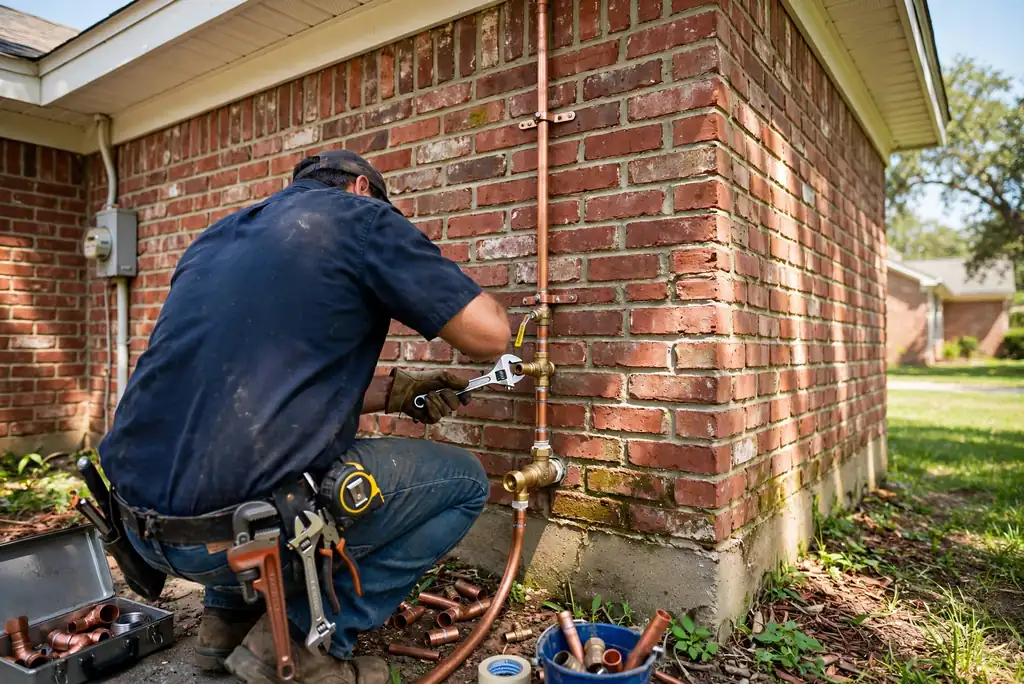
Every replacement starts with a camera inspection and ends with a tested line. Here is what is in the scope, and what we quote separately if your job needs it.
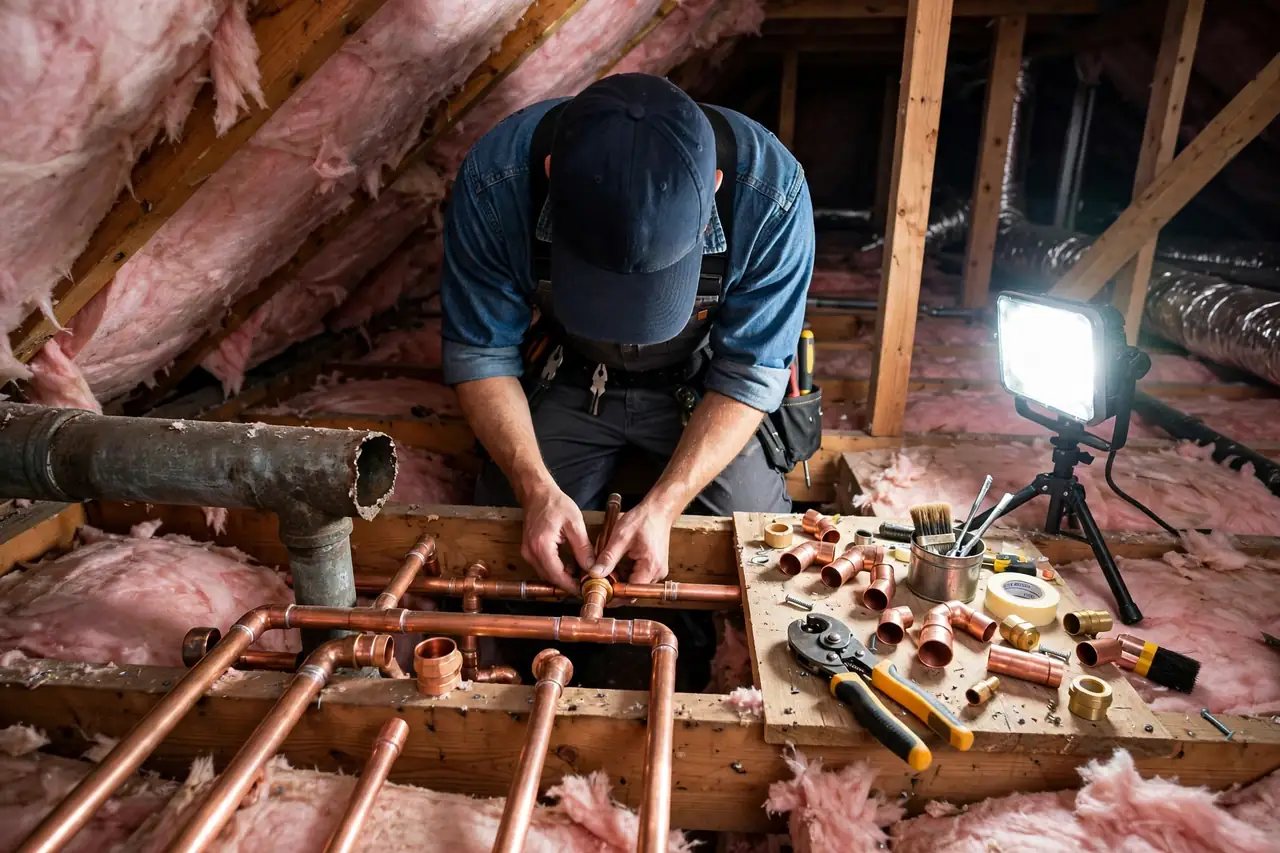
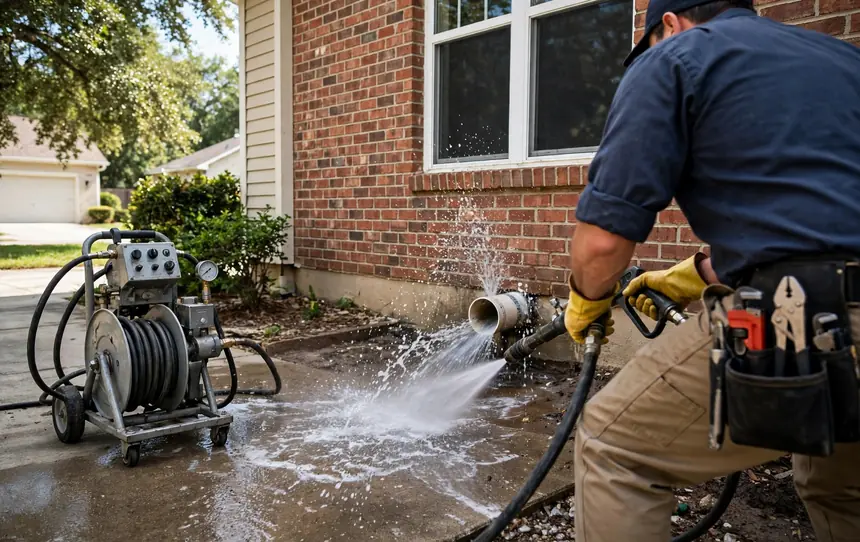
We replace failing main lines for homeowners and tenants, from the house to the city tap or septic tank. You see the camera footage and the written scope before we dig.
We replace main lines for property managers and business owners with scheduling that keeps the doors open. The camera inspection and written scope come first.
A lateral earns replacement when the camera shows failure along its length: repeated cracks, collapsed sections, severe bellies or root intrusion at joint after joint. Houston's older blocks run clay and cast-iron laterals, and expansive clay stresses them as it swells and shrinks. Laterals typically run 30 to 100 feet and sit 2 to 8 feet deep, and every sewer replacement in Houston gets a permit, with inspectors checking slope, bedding and cleanouts.
Replacement is not always an open trench. Lining suits a cracked but straight and open line worth keeping; pipe bursting suits cracked, collapsed, bellied or root-filled lines on a fairly straight run. Open cut is needed for sharp bends, lines too damaged to burst, or short sections where a trench is small anyway. Under the slab, lining is often the only trenchless option. We lay out the options with a written estimate before any digging starts.
Replace the line once, properly, instead of repairing it section by section for years.
From the first camera inspection to the final test, here is what you see on a sewer replacement Houston job with our crew.
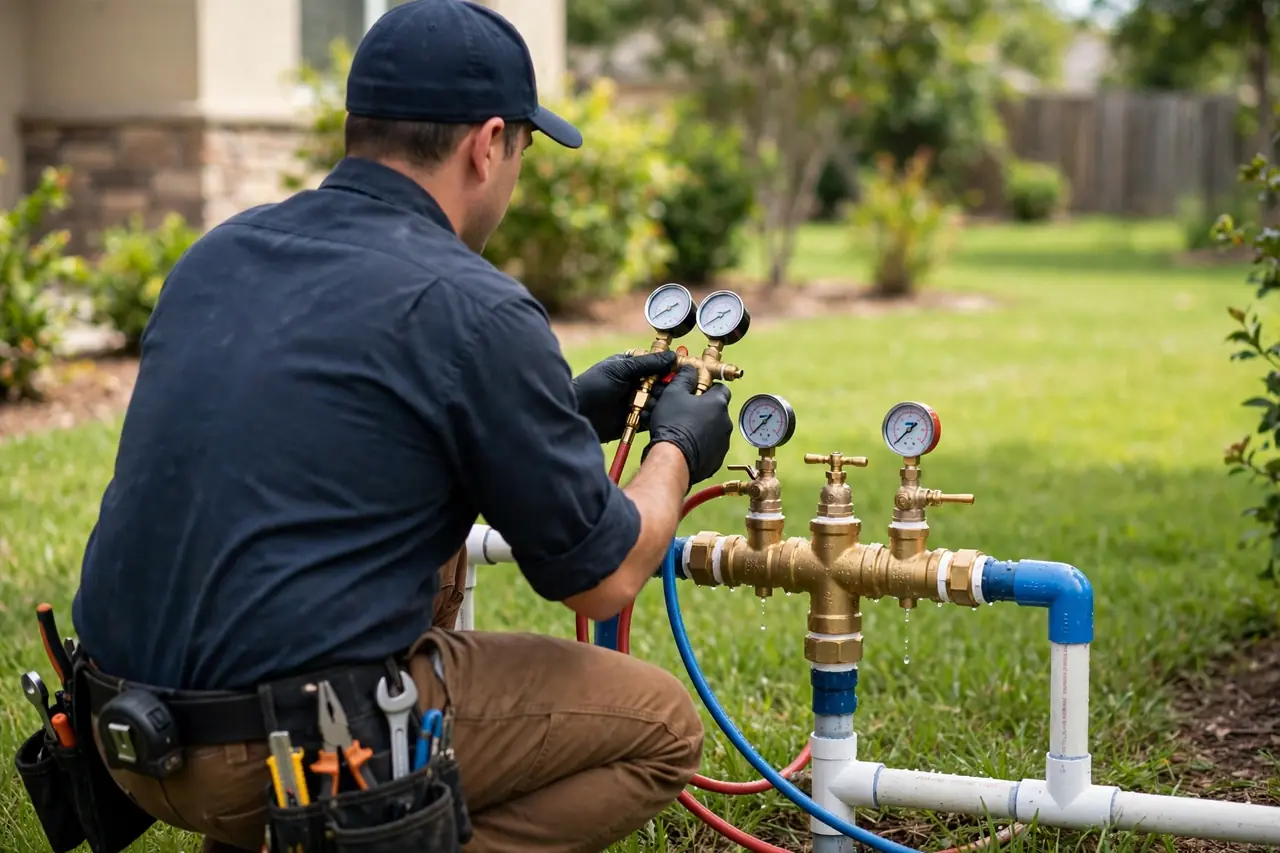
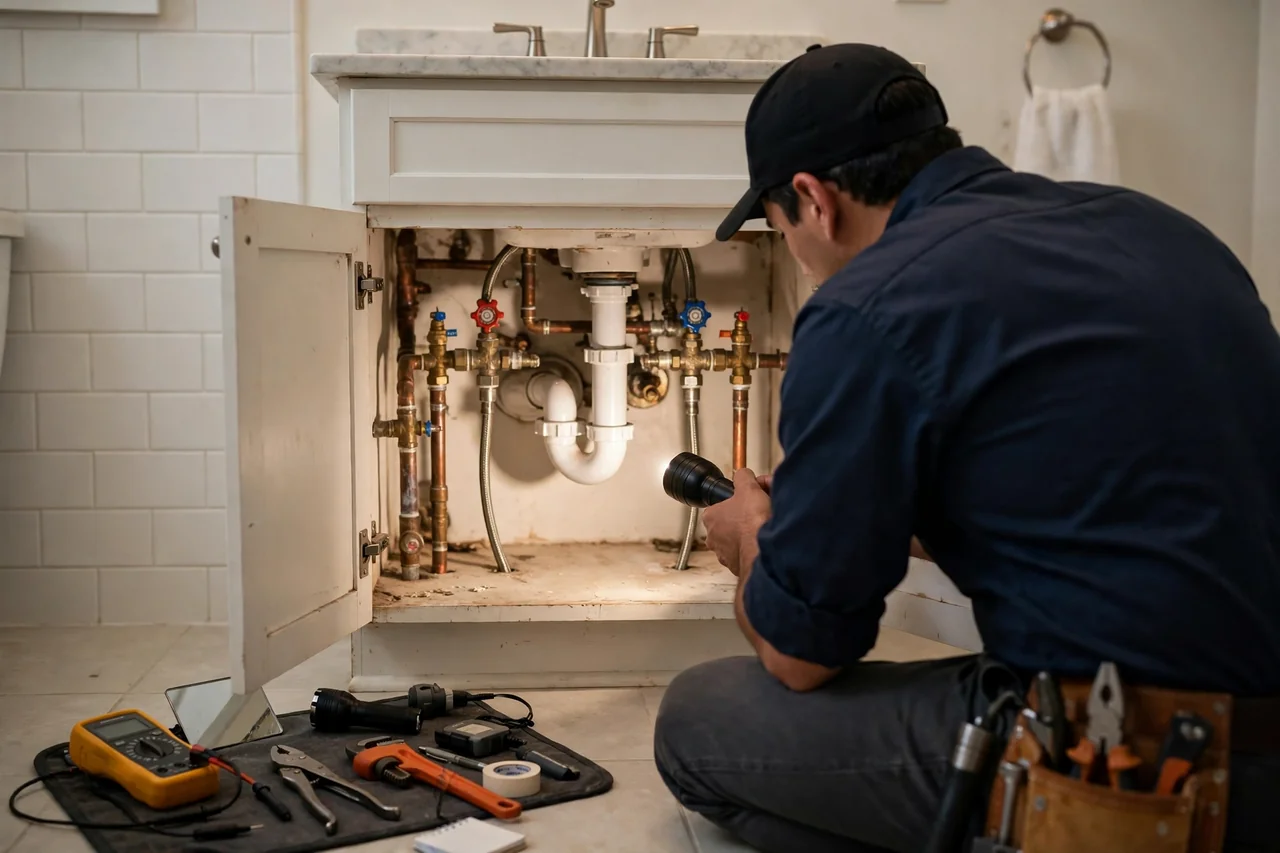
We run a sewer camera down the line and mark the depth, the break, and the city tap with a locator. You see the footage on the monitor with us, so the diagnosis is not a mystery. This usually takes 45 minutes to an hour.
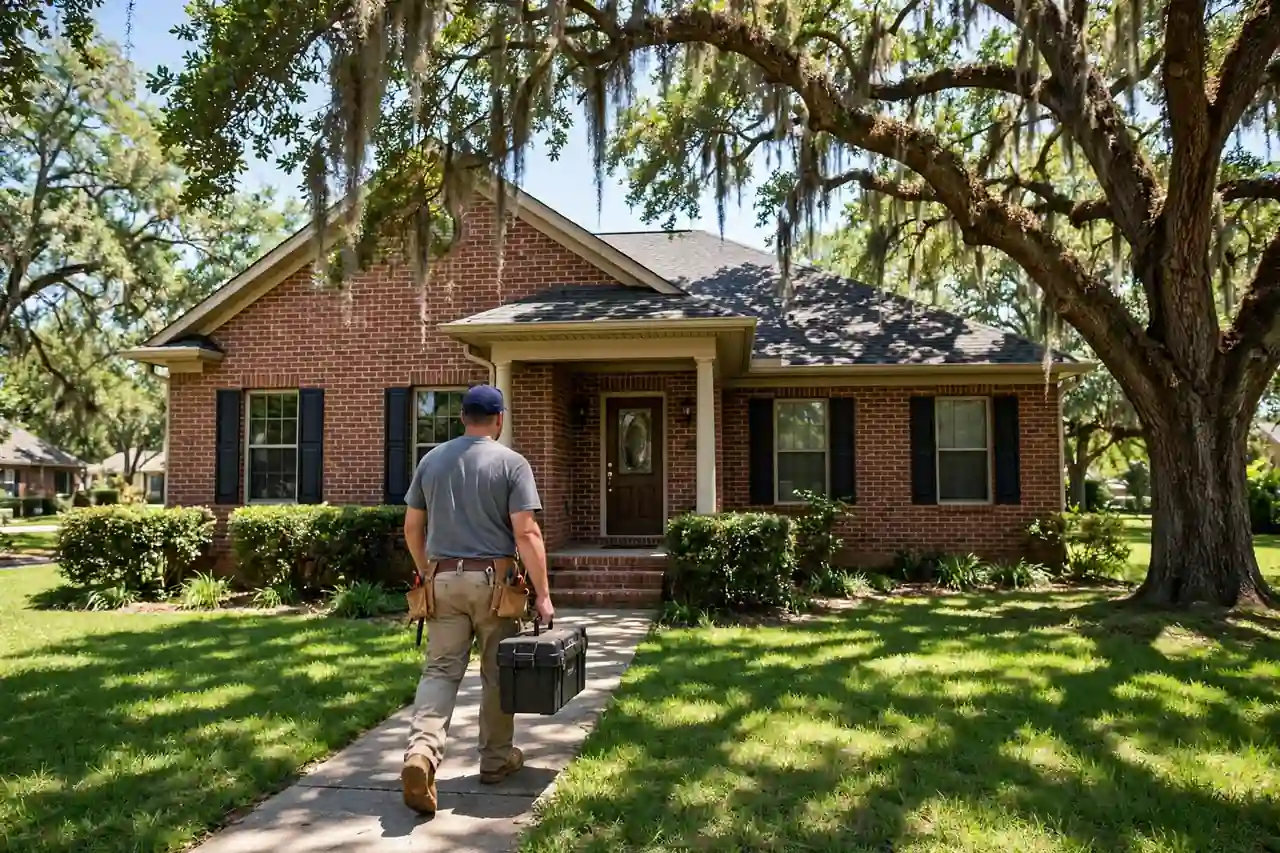
You get a written scope with the pipe material, the length of the run, and the price before we dig. We explain the trenchless option versus open trench on your specific line. No surprise add-ons after the yard is open.
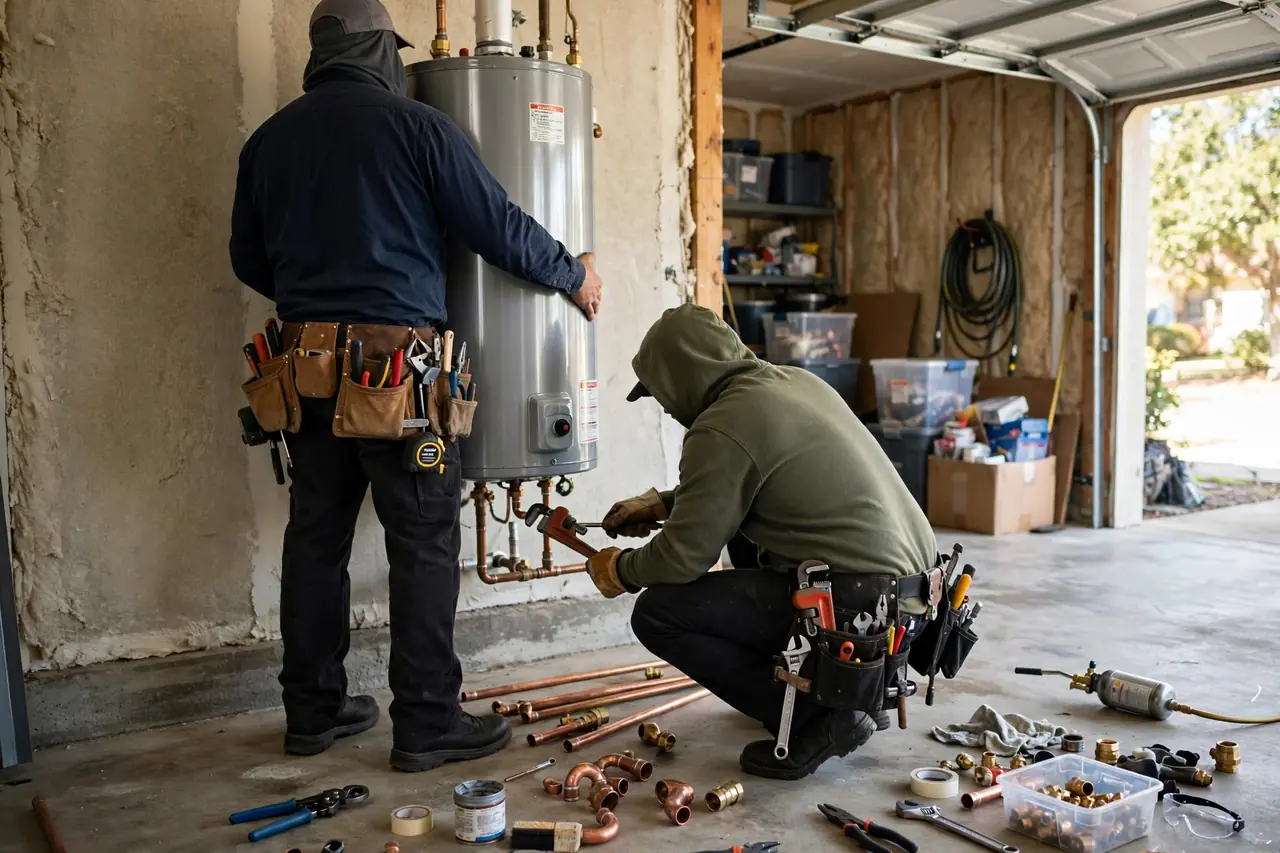
We pull the required permits and call for utility locates before any digging starts. That protects the gas, water, and fiber lines that share the easement. Scheduling depends on the city, and we keep you posted on the date.
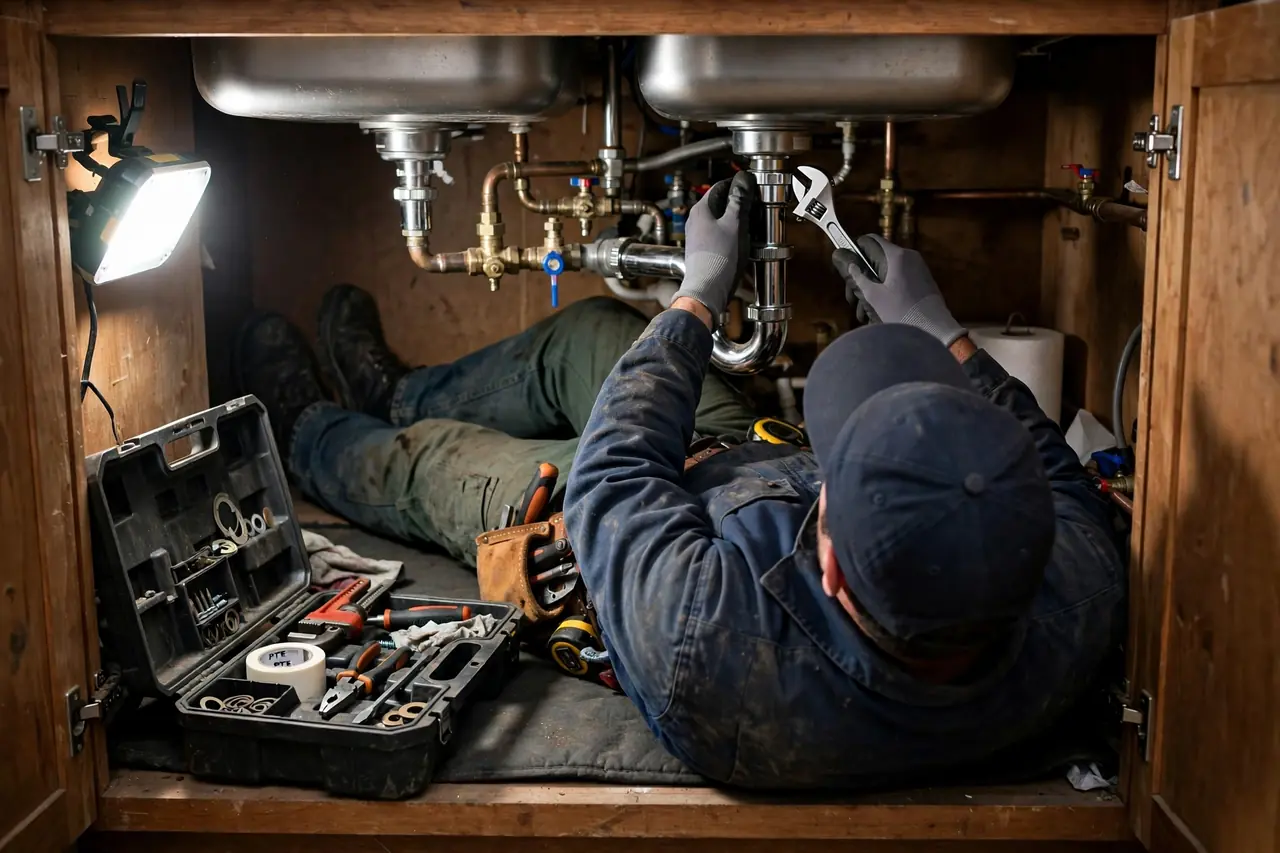
The crew protects the driveway and walkways, then opens the trench or pits and removes the old cast iron pipe or PVC. New pipe goes in at the correct slope, with proper fittings and bedding. Most residential runs take one to three days depending on length and access.
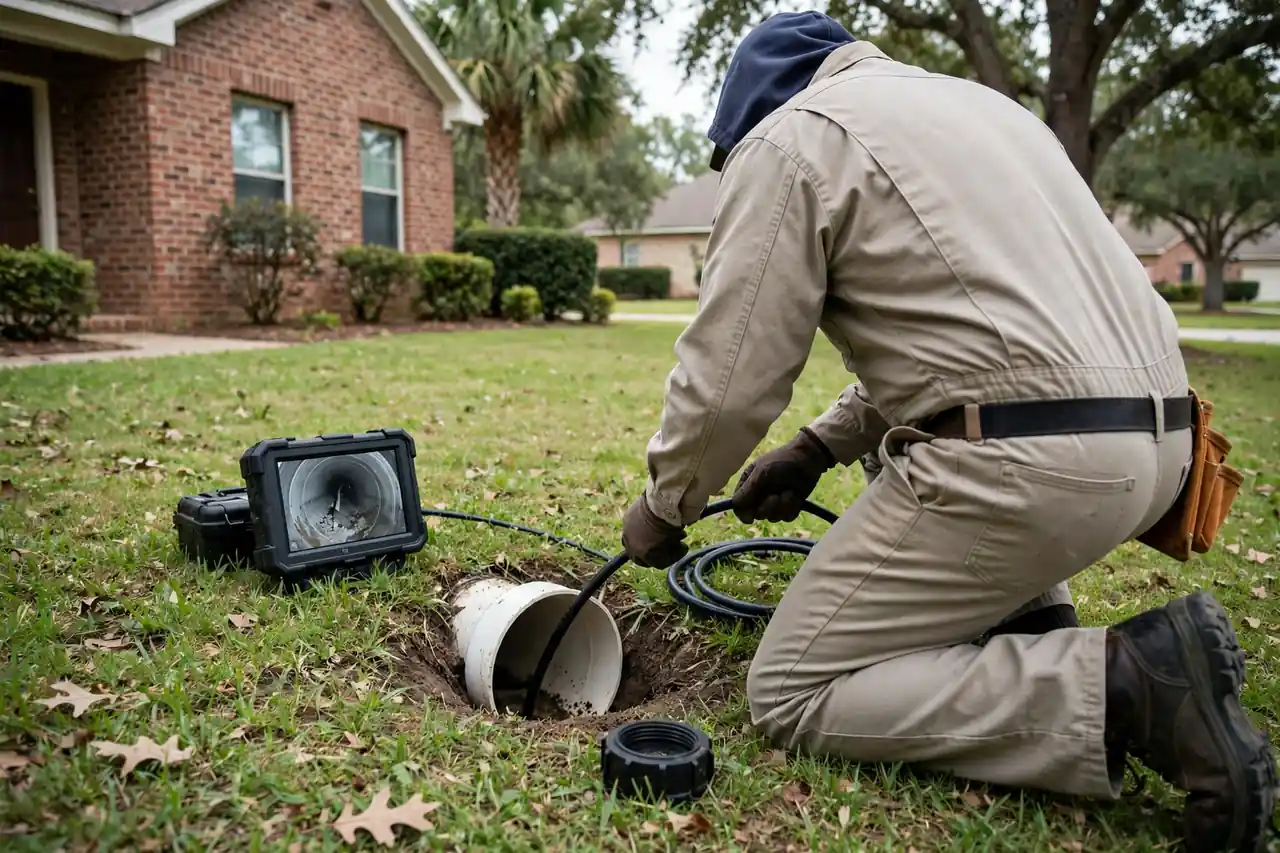
We camera the new line and run a flow test before backfill, then compact the soil and haul off the old pipe. The yard is graded so water drains away from the foundation. You get the footage and a walkthrough of what was replaced.
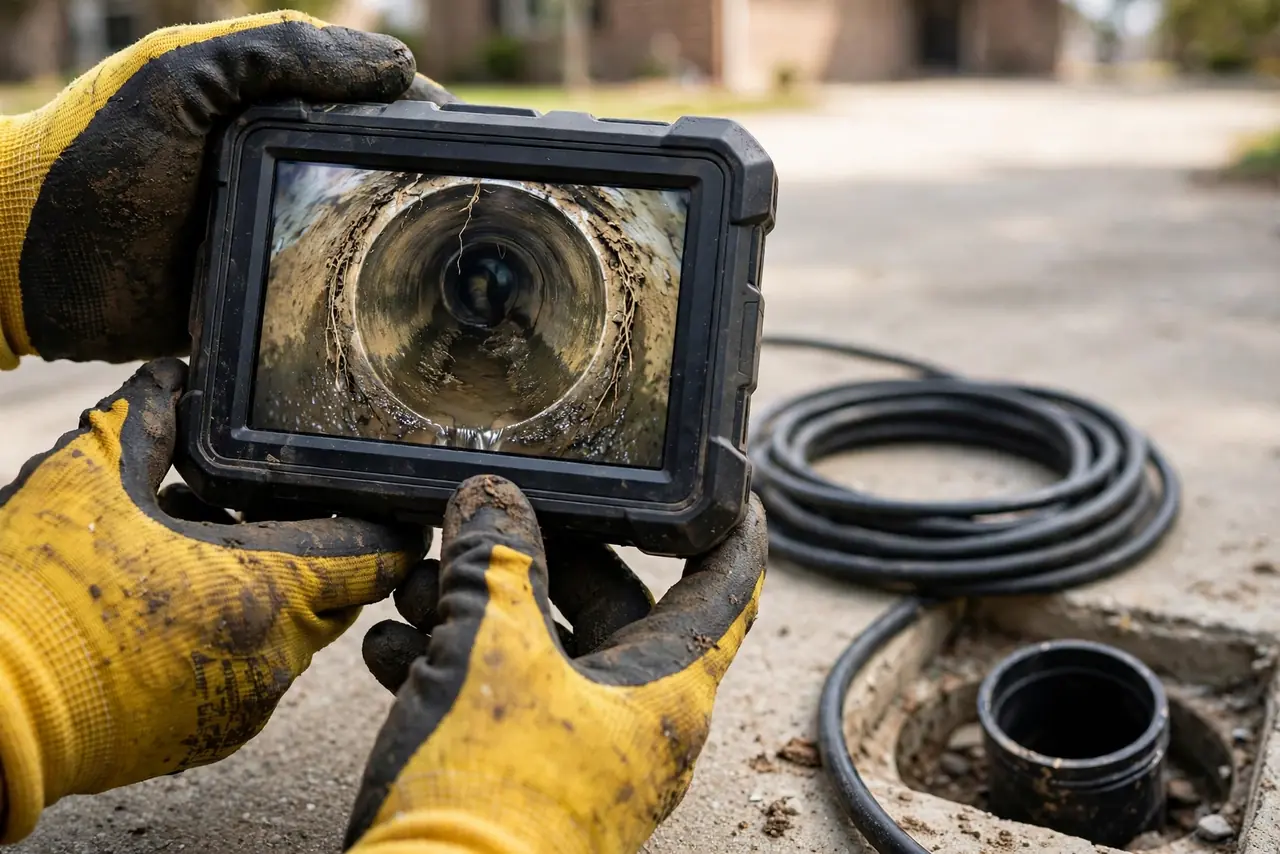
We run the camera down the line to see the break, roots, and pipe material. The footage goes on the monitor so you see what we see.

The locator marks the depth and route of the line and the city tap. That tells us where to dig and how deep the run sits.
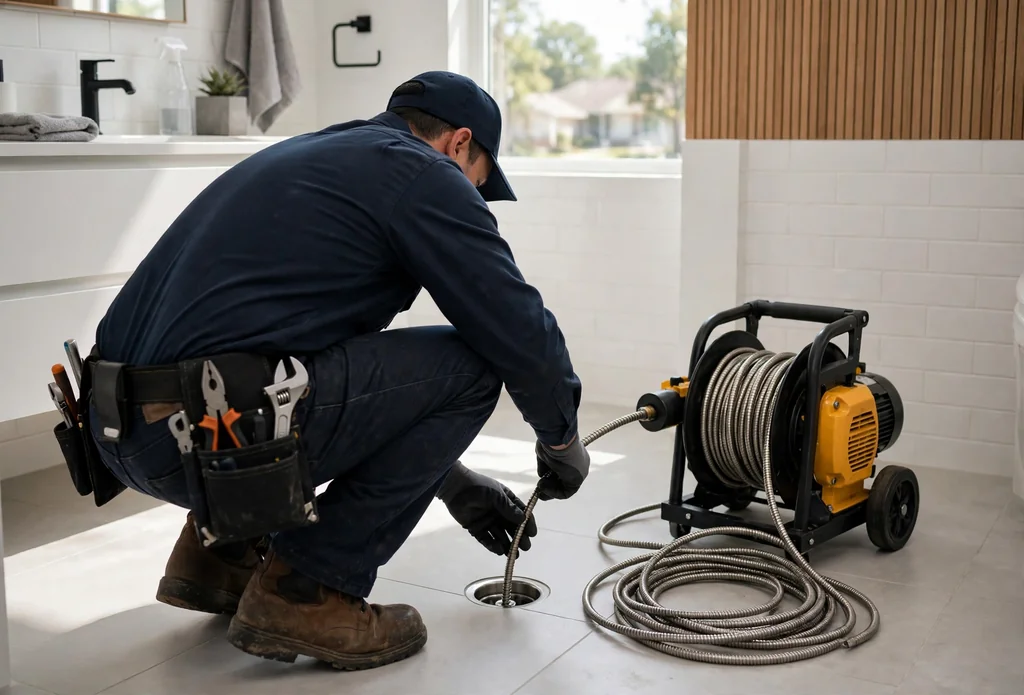
We jet grease and roots out before cameraing so the inspection shows the pipe, not the clog. Cleaning first often reveals whether a replacement is needed.
For trenchless runs, we pull new HDPE through the old pipe while bursting it outward. Less digging, less yard damage.

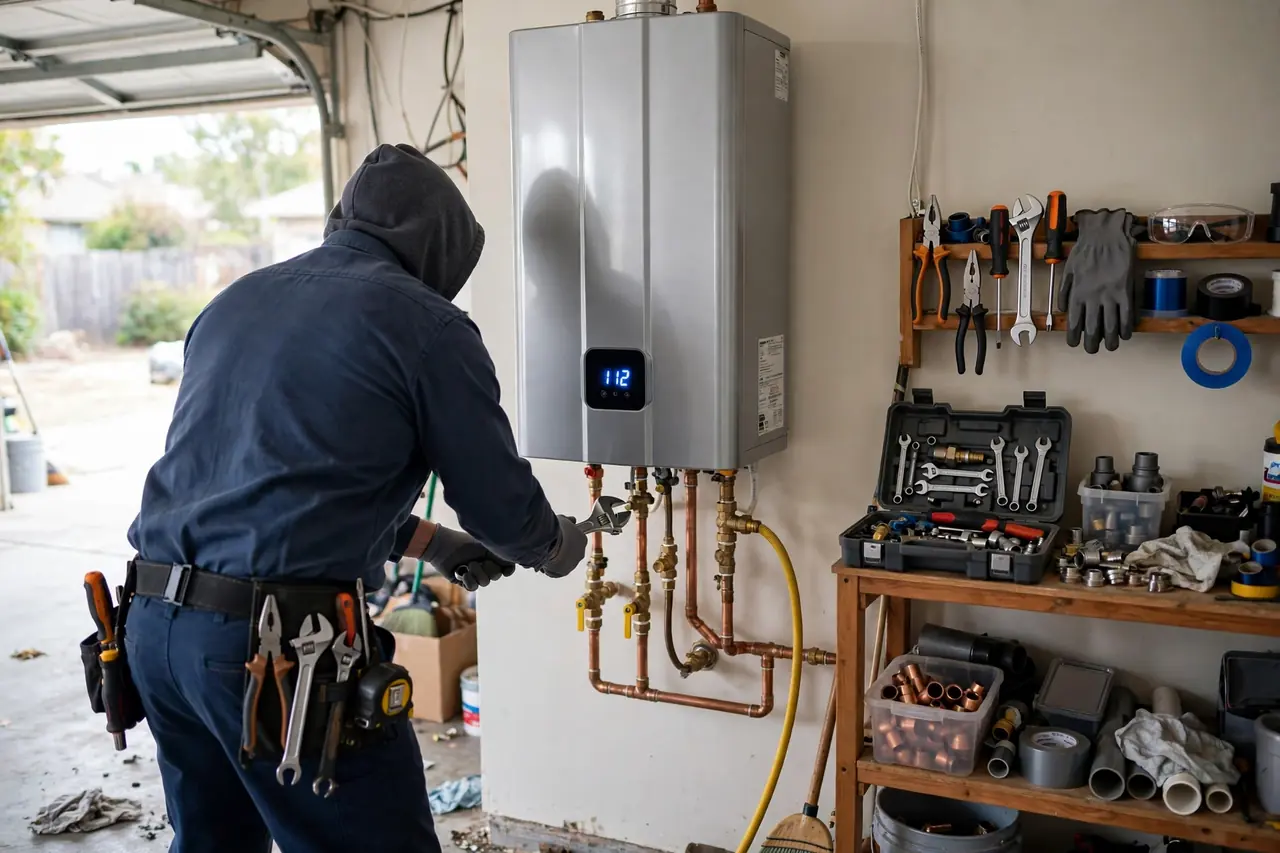
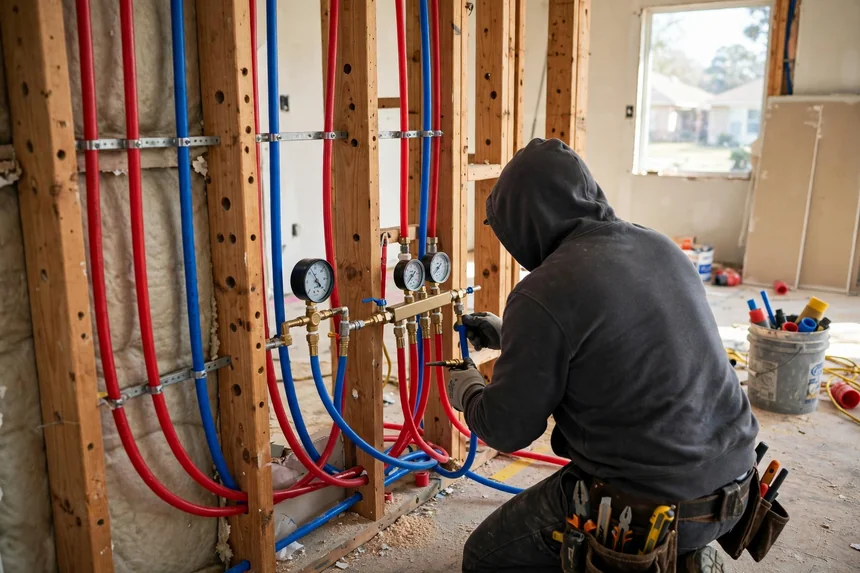
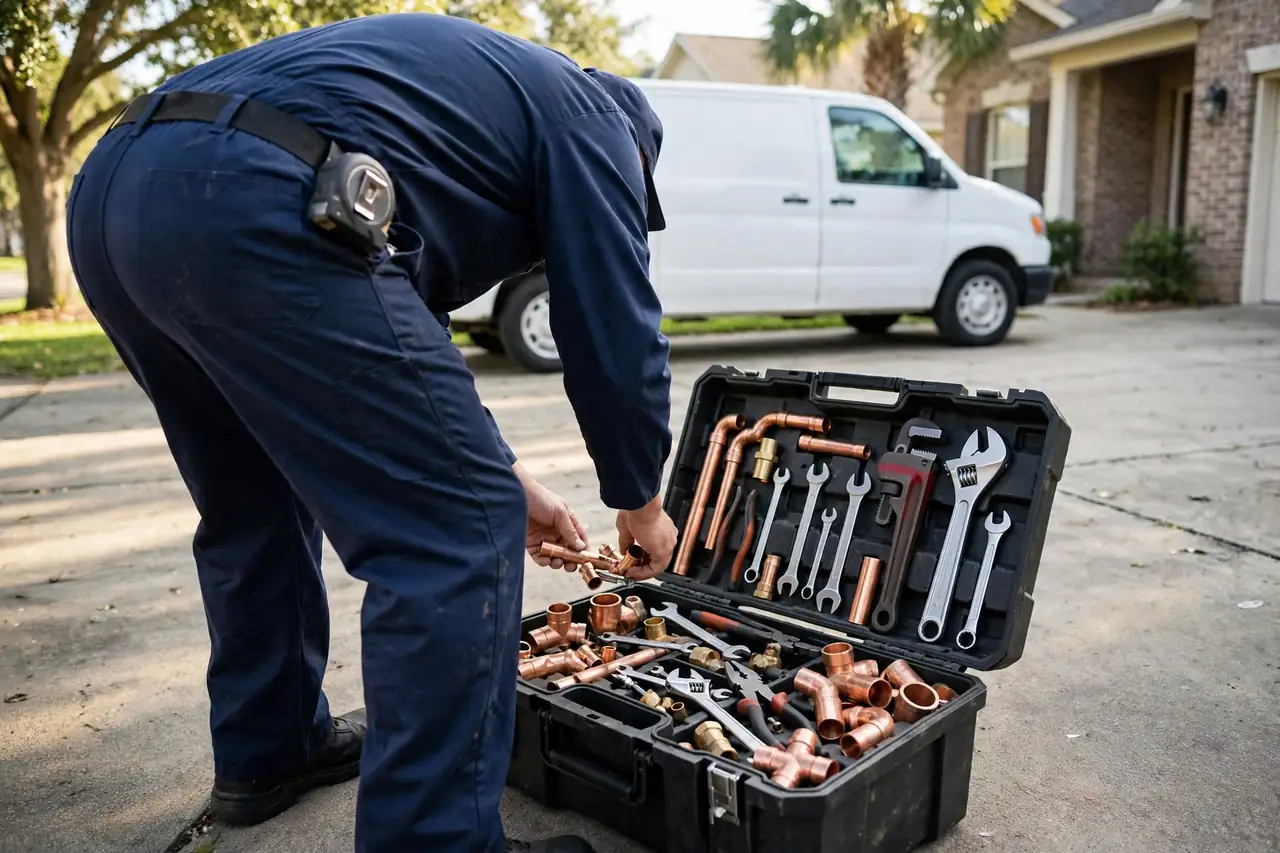
Press fittings make fast, reliable connections on the supply side and tie-ins. No open flame near gas lines or tight crawlspaces.
Clean cuts on PVC, copper pipe, and HDPE give proper joints. A square cut is the difference between a sealed fitting and a leak.
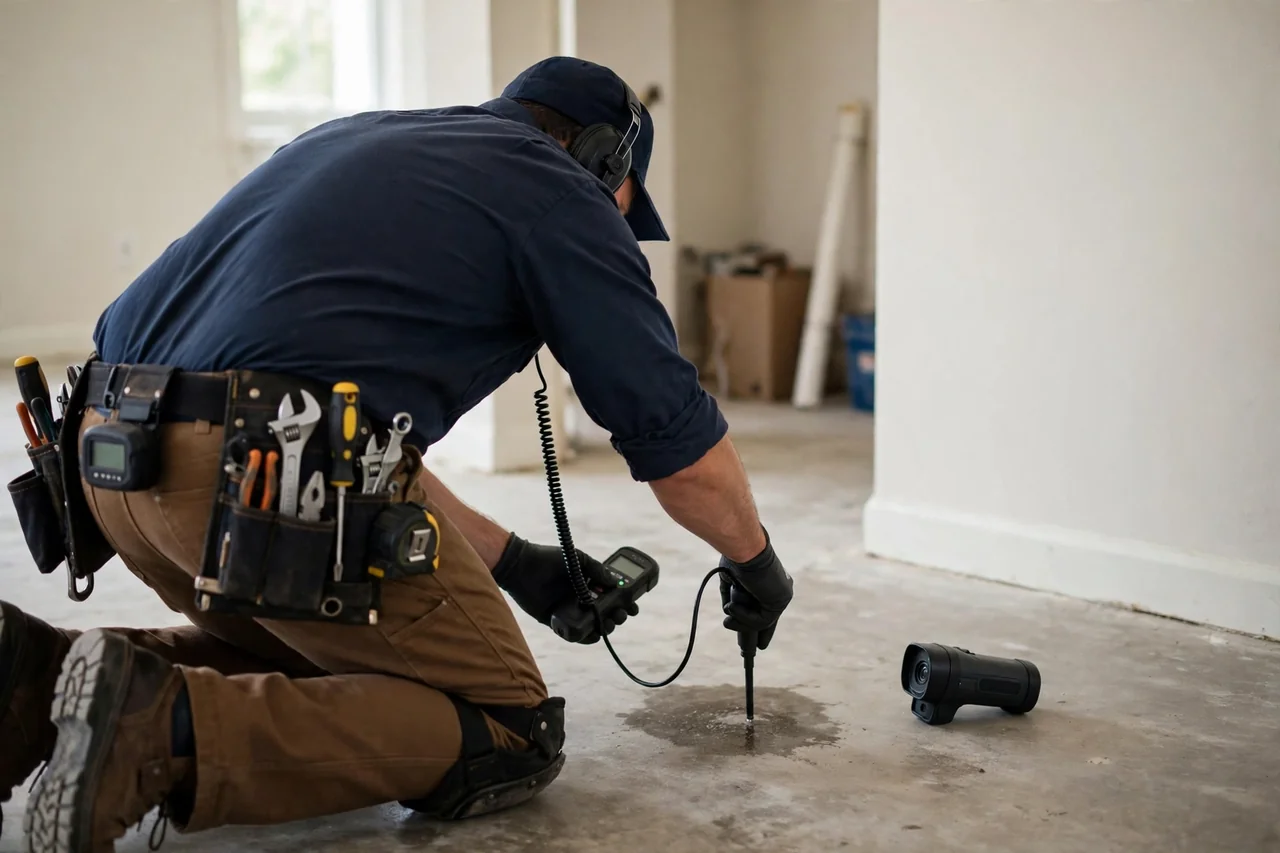
Every replacement starts with a camera inspection. We record the line, mark the defects, and quote from the footage. No replacement is sold off a guess.
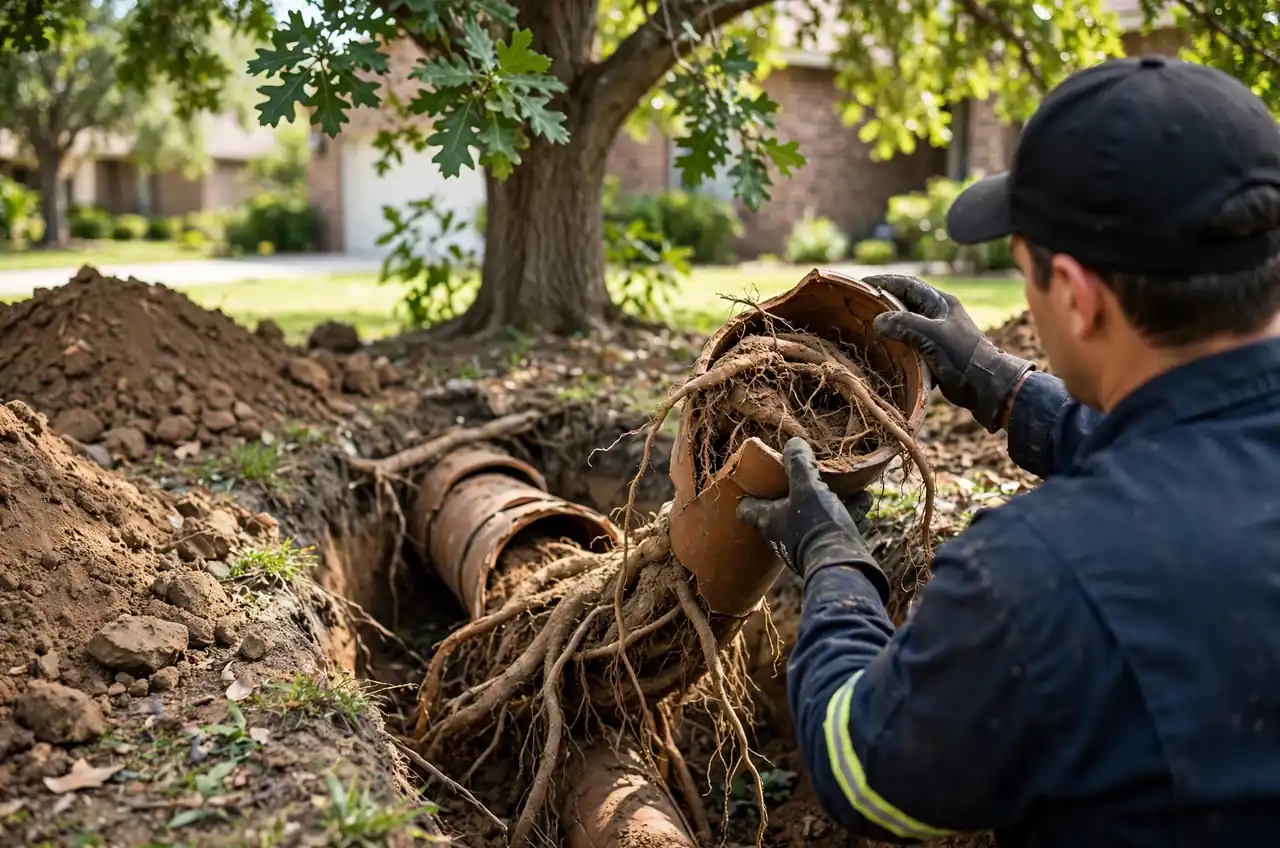
We dig small access pits and pull new HDPE through the old pipe. This protects driveways, patios, and mature trees, and it is often faster than open trench.
We camera the line, find the collapsed joints, and quote a trenchless replacement that pulls new HDPE through the old pipe. The driveway and mature oaks stay untouched. The line is replaced in two days, the yard is graded, and the yearly backup calls stop.
We hydro jet the line first, camera it, and find a failed section under the parking lot. We schedule a trenchless replacement around business hours. The kitchen stays open, the line is replaced with minimal pavement cutting, and the grease backups stop.
We camera the line, document the root damage, and replace the run with new PVC. The footage and written scope go to the buyer's agent. The closing moves forward with a documented new line, and the buyer has proof of the upgrade.
We locate the break with the camera and locator, then replace the failed section and test the new pipe before backfill. The smell and the wet spot are gone, and the yard drains away from the foundation again.
Early-village and inner-loop laterals are the replacement cohort: clay and cast iron in the Heights, Montrose and River Oaks, and 1960s to 1970s laterals in Sharpstown and Meyerland. Newer PVC laterals rarely need it.
A 1955 bungalow had original cast iron pipe with heavy root intrusion and a backup every spring. The drain snake cleared it each time, but the roots came back within months. The camera showed collapsed joints and a belly in the line.
We replaced the run with new PVC at the correct slope and tested it with the camera before backfill. The yard was graded and the old pipe hauled off. The homeowner has had no backups in the two years since.
We recommend a camera check every two years and avoiding grease down the drain. The new joints are root-tight, so the tree roots stay out.
A River Oaks home had a failing line under a circular driveway and a mature oak. Open trench would have meant cutting concrete and risking the tree. The camera showed a cracked section with root intrusion.
We pulled new HDPE through the old pipe with pipe bursting and dug only two small access pits. The driveway stayed intact and the oak was untouched. The line passed the camera test once the work was done.
Keep the access pit areas marked for future reference and schedule a camera check every few years. Trenchless lines last decades when the joints are tight.
A retail strip in the Galleria area had a main line that backed up into a tenant space on a Friday. The camera showed a failed section under the parking lot. The property manager needed the fix without closing the strip.
We jetted and cameraed the line, then scheduled a trenchless replacement around business hours. The work was done in three days with minimal pavement cutting. The tenants stayed open and the backups stopped.
We set up a yearly hydro jetting schedule to keep grease out of the line. The camera check each year catches small issues before they become backups.
Most calls start with a backup, a smell, or a soggy spot in the yard. Here are the problems a new line fixes for good.
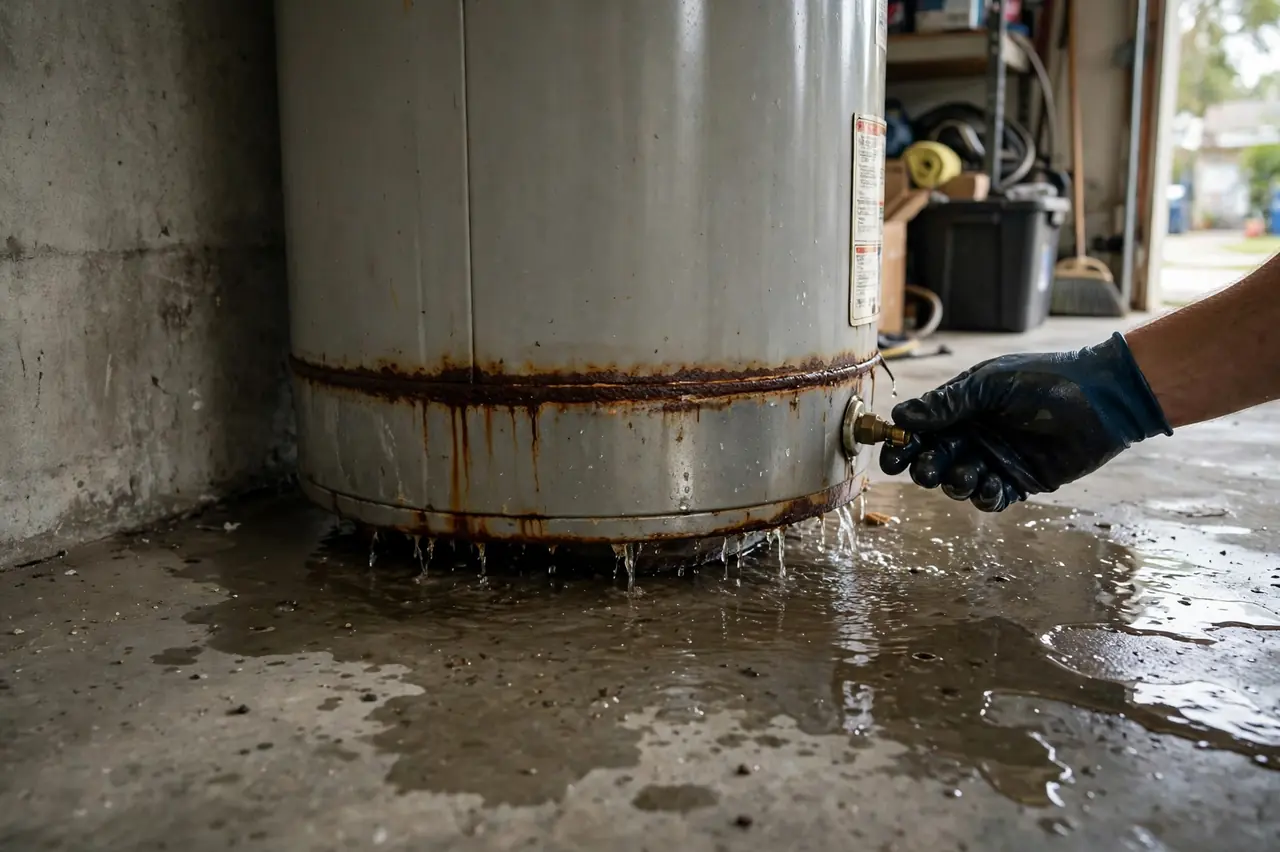
We camera the line to find the real failure, then replace the damaged run with new pipe. The root intrusion and collapsed joints are gone, so the backup stops coming back. A drain snake clears the clog but leaves the broken pipe and roots in place. The backup returns in weeks, and each visit costs money without fixing the cause.
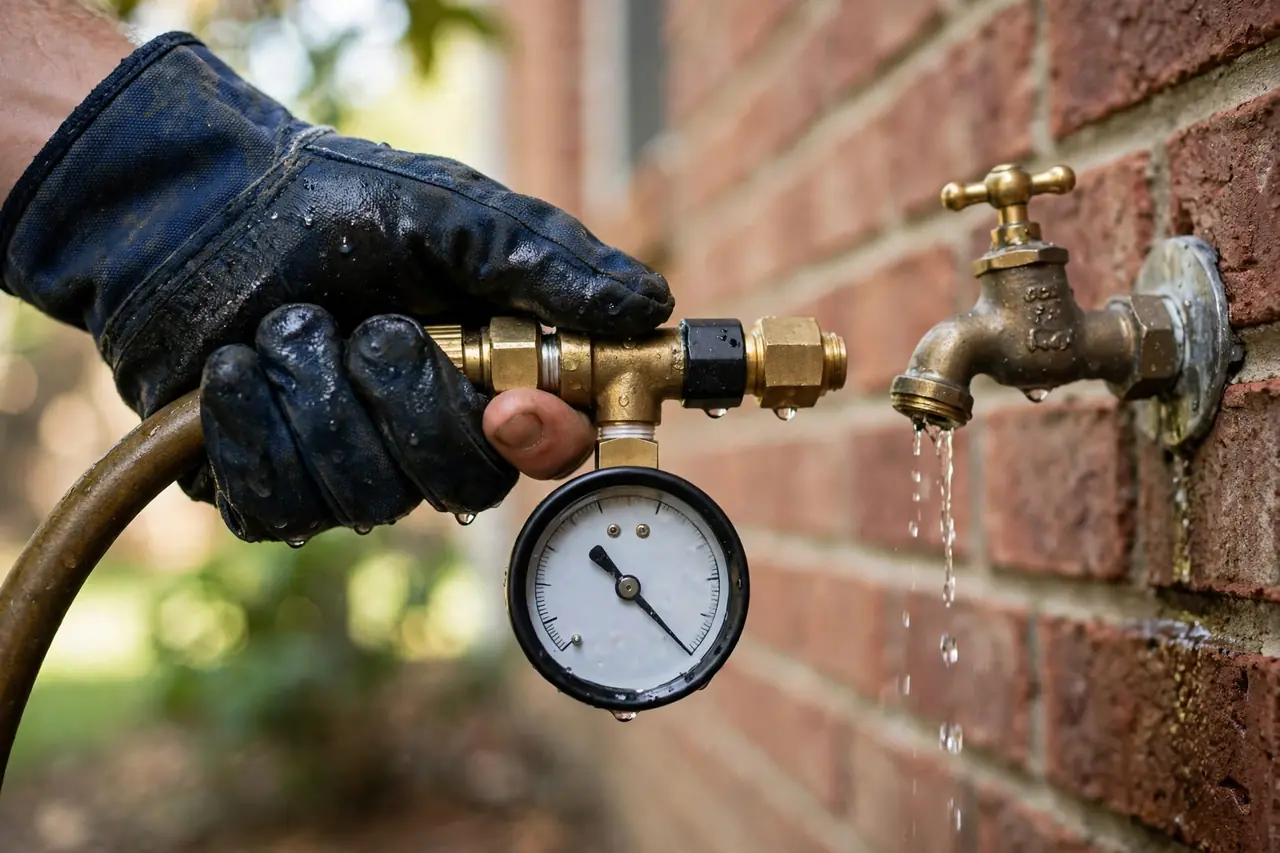
We cut the roots, camera the damage, and replace the affected section or the full run. New PVC or HDPE joints are root-tight, so the tree roots stay out. Houston's mature trees send roots into old clay joints and cast iron cracks. The roots grow, catch grease and paper, and block the line a little more each year.
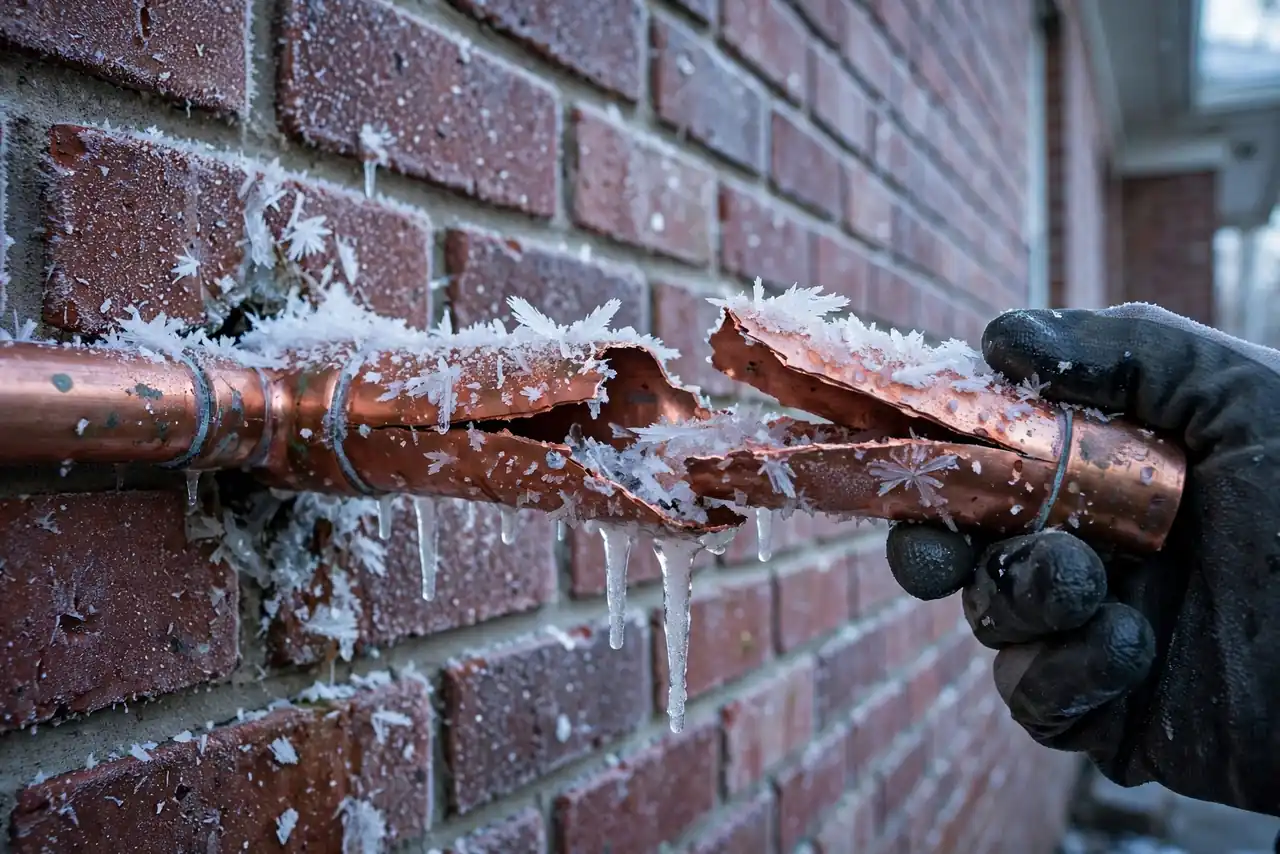
We locate the leak with the camera and locator, then replace the failed section. The new line is tested before backfill, and the yard is graded to drain. A leaking line saturates the soil and can undermine a slab. The smell is a health issue and a sign the pipe has failed underground.

We camera, quote, and replace the line with a written scope and footage you can hand to the buyer. The documentation answers the inspector's report directly. A buyer's inspector flags the line and the deal stalls. You need a documented fix, not a patch, to keep the closing on track.
A new PVC or HDPE line clears the root intrusion and collapsed joints that keep causing sewer backup. We slope the pipe to code and test it before backfill, so wastewater leaves the house the way it should. Most customers stop calling a drain snake out twice a year.
A leaking sewer line saturates the soil under a slab, and Houston's clay-rich ground moves when it stays wet. Replacing the line stops the constant moisture and the slab leak risk that comes with it. We route the new line and compact the backfill so the yard drains away from the house.
Trenchless sewer replacement Houston keeps mature trees, driveways, and patios intact. We dig small access pits at each end and pull the new pipe through, which means less concrete to cut and less landscaping to redo. On the right line, most yards look close to normal within a few days.
A replaced main line with camera footage and a written scope answers the buyer's inspector before they ask. Whole house sewer replacement Houston near me jobs often come up during a sale for exactly this reason. You get proof of the new material, the route, and the test.
Clear records you can keep and share.
Before and after video of the line
Pipe, permits, and disposal listed
Backfill compacted and draining away
A sewer replacement is a big dig, and the diagnosis matters more than the price. Here is what we check before we quote a run.
We camera the line and mark the defects before quoting. The footage shows whether a spot repair or a full replacement is the right call.
Trenchless works when the old pipe can guide the new one. If the line has collapsed or has a sharp bend, open trench may be the better route.
New pipe needs the correct slope and proper bedding to drain. We test the line with the camera before backfill so the job is right the first time.
A sewer replacement is a big dig, and the diagnosis matters more than the price. Here is how repair and replacement compare.
| Repair | Replacement | |
|---|---|---|
| When it fits | One failed section, fixed where it failed. | A lateral failing along its whole length. When a lateral is failing along its whole length, spot repairs stop making sense. |
| What the camera shows | Whether the failure is one section or the whole line. | We camera the line and mark the defects before quoting. The footage shows whether a spot repair or a full replacement is the right call. |
| Trenchless | Works when the pipe shape is intact and the line has a clear path. | Works when the old pipe can guide the new one. If the line has collapsed or has a sharp bend, open trench may be the better route. |
| Slope and bedding | Only the failed section is repaired; the rest of the line keeps its existing slope and bedding. | New pipe needs the correct slope and proper bedding to drain. We test the line with the camera before backfill so the job is right the first time. |
| Permit and inspection | A permit where the City requires one. | A City permit, inspection, and a camera check of the finished run. |
| Finished result | A repair that passes inspection. | A tested new line that drains right and stays put. |
Outside these areas? Call and ask if we can reach you. (346) 776-8560
When the camera shows failure along the whole length: repeated cracks, collapsed sections, severe bellies or roots at joint after joint. A single cracked section is a repair; a tired line is a replacement.
Yes. Every sewer replacement in Houston gets a permit, and inspectors check slope, bedding and cleanouts. The work is done to the 2021 Uniform Plumbing Code with Houston Amendments.
It depends on length, depth, access and method. Trenchless jobs are usually faster than open trench because there is less digging and less restoration. We give you a written scope and schedule before we start.
Yes. Estimates are free. We camera the line first, show you the footage, and explain repair versus replacement before you decide.
Call (346) 776-8560 for a free estimate. We camera the line, show you the footage, and lay out repair versus replacement honestly, Monday to Sunday, 7:00 AM to 10:00 PM.
Call us at (346) 776-8560 to discuss sewer line replacement or ask a question. We are open Monday to Sunday, 7:00 AM to 10:00 PM, and estimates are free.
The fastest way to book is a phone call. Tell us what is happening and we will give you a free estimate and a time that works, Monday to Sunday, 7:00 AM to 10:00 PM.
Open Mon–Sun, 7:00 AM–10:00 PM. Free estimates.