Written scope
What is included before we start
Toilet installation in Houston is the work of a proper wax ring, a checked flange, a working shutoff valve and a leak test before we leave. A new toilet is only as good as its seal. El Primo Lalo Plumbing installs toilets in Houston with a proper wax ring, a checked flange, a working shutoff valve and a leak test before we leave, so the floor underneath stays dry.
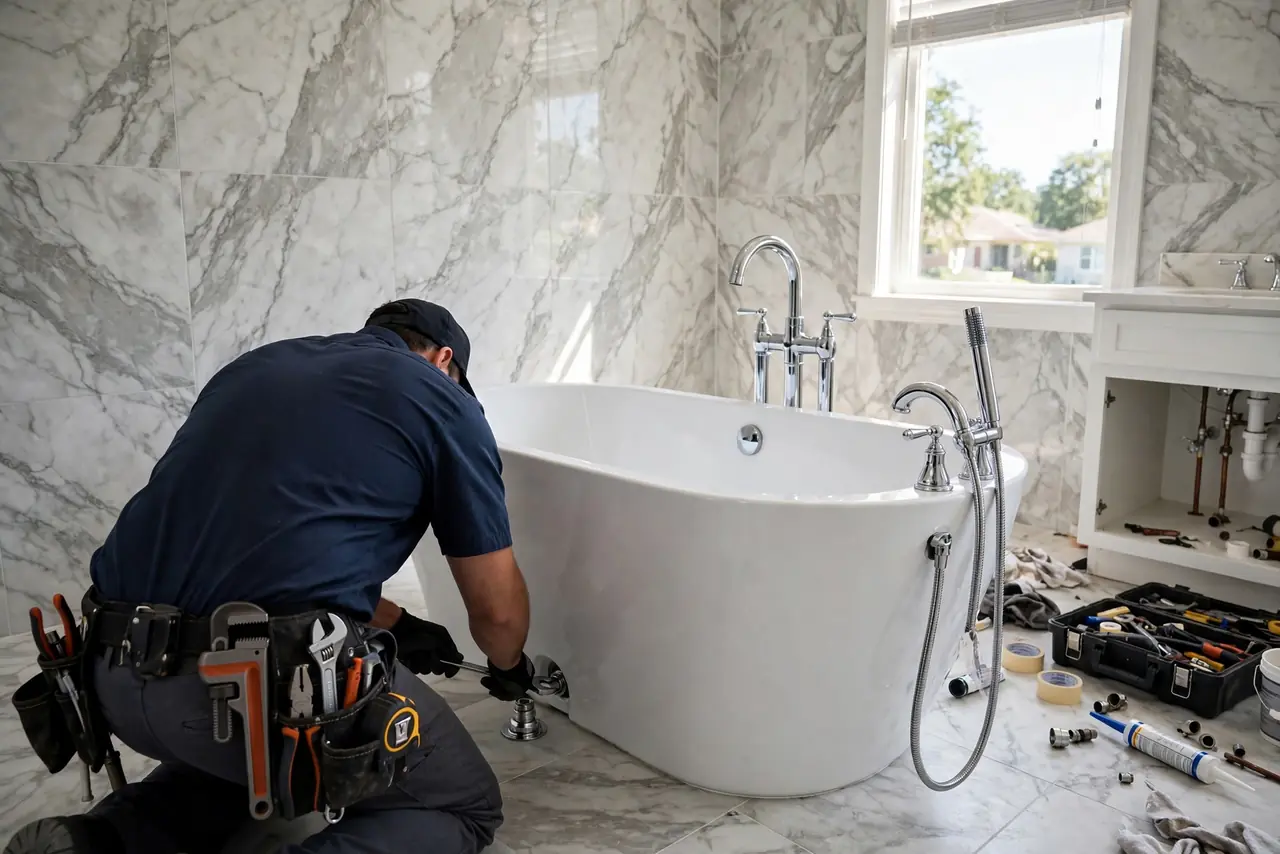
Every install includes the parts that matter for a dry floor and a clean flush. If we find something under the old fixture that needs attention, we show you and quote it before we touch it. Here is what is covered on a standard set.
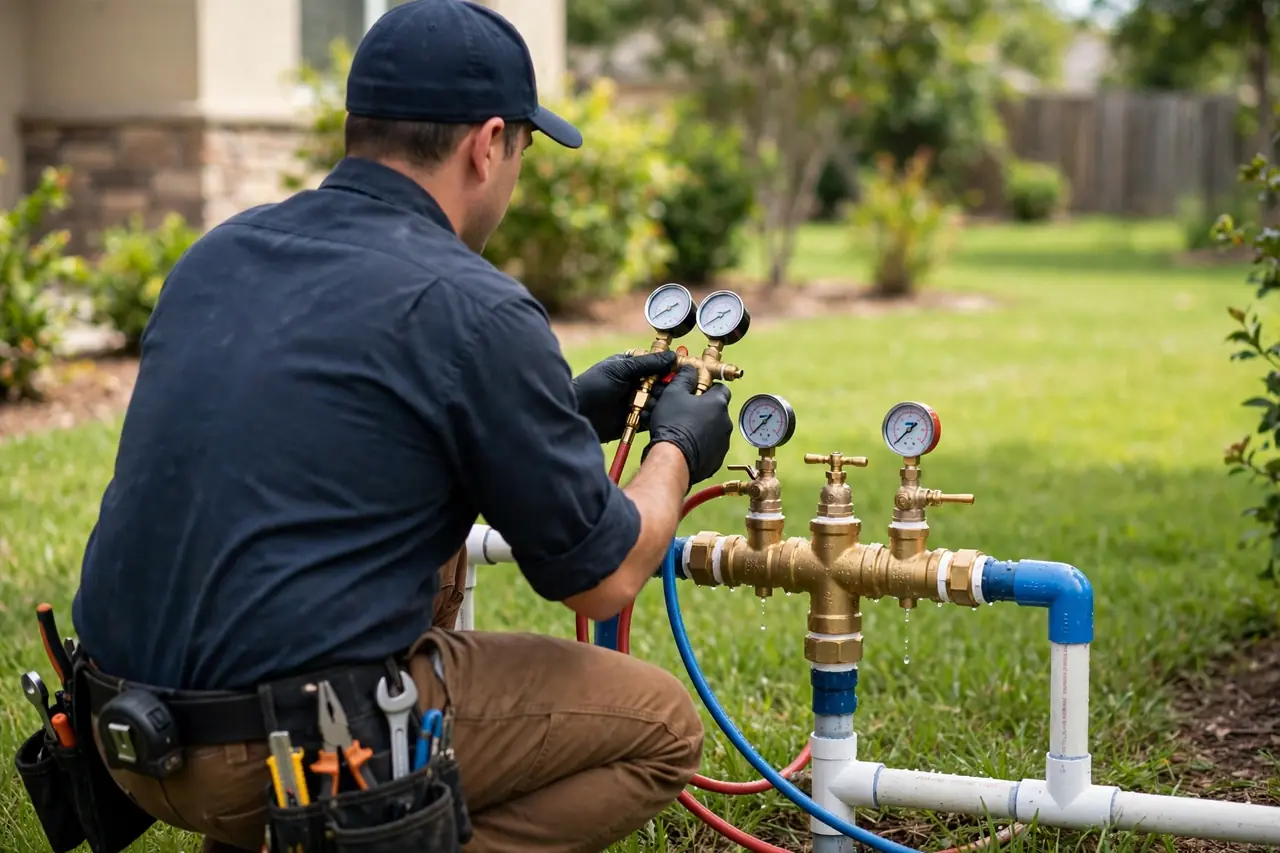
We set new toilets in houses, condos, and townhomes across Houston. Every install includes a flange check, a fresh wax ring, and a flush test before we leave.
Restaurants, offices, and retail spaces need restrooms that hold up to daily traffic. We install commercial-grade fixtures and set them to code so inspections pass.
A toilet install is four jobs: the flange, the wax ring, the supply connection and the test. A cracked flange or one set too low will rock the toilet and leak, no matter how good the porcelain is. The wax ring has to compress evenly, the shutoff valve has to work, and the base has to be tested with several flushes before we leave.
Remodel work drives most toilet installs in Houston, especially in older homes in the Heights, Montrose and River Oaks where bathrooms are being renewed. In slab homes, a flange problem can mean concrete work, so we check the flange before the new toilet arrives, not after.
The porcelain is the easy part. The flange and the wax ring decide whether the floor stays dry.
Every install follows the same five steps, whether it is a single bathroom or a full unit turnover. Here is what you see from the moment we arrive to the moment we hand you the test results.
We shut the angle stop, flush the tank and bowl, and sponge out the remaining water so nothing spills on the way out. If the shutoff valve is frozen or weeping, we replace it before the new fixture goes in. This step takes 10 to 15 minutes on a clean install.
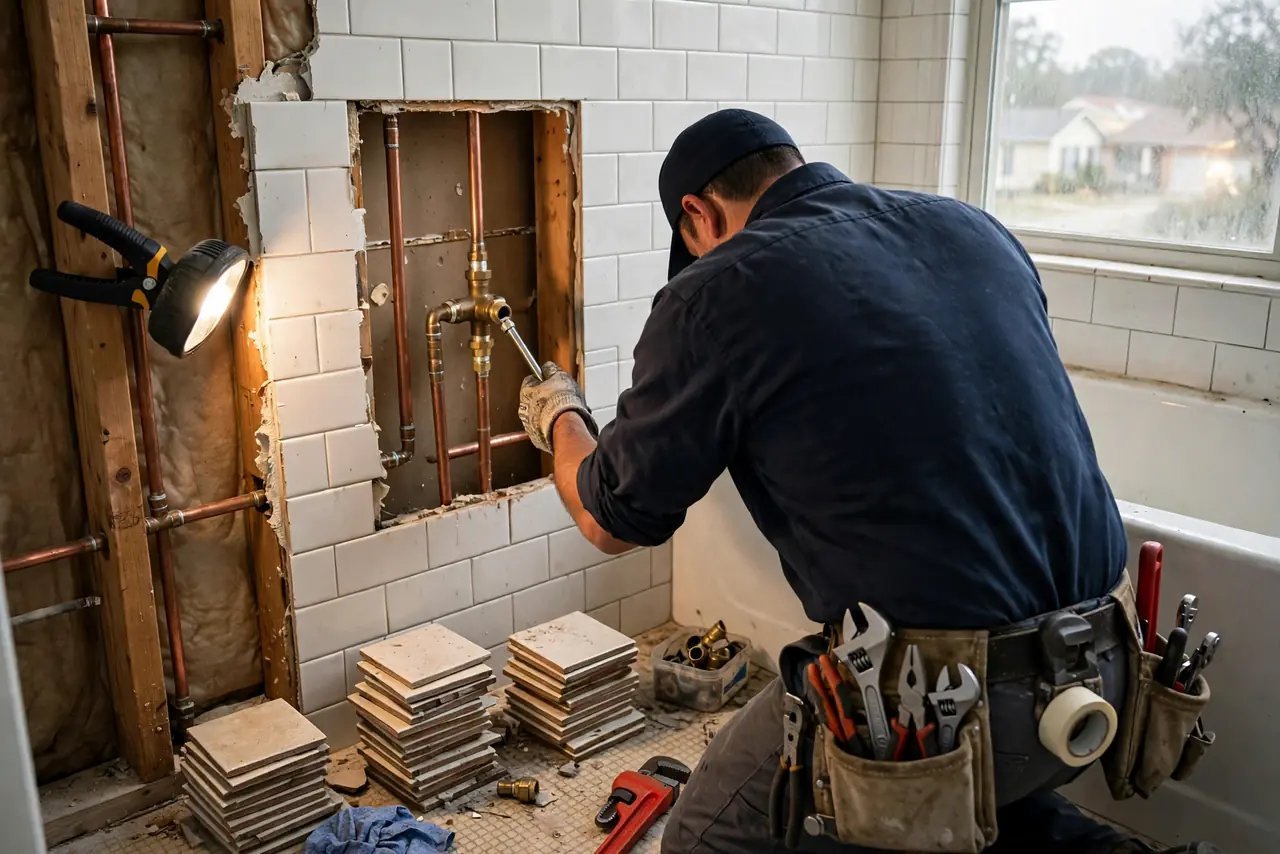
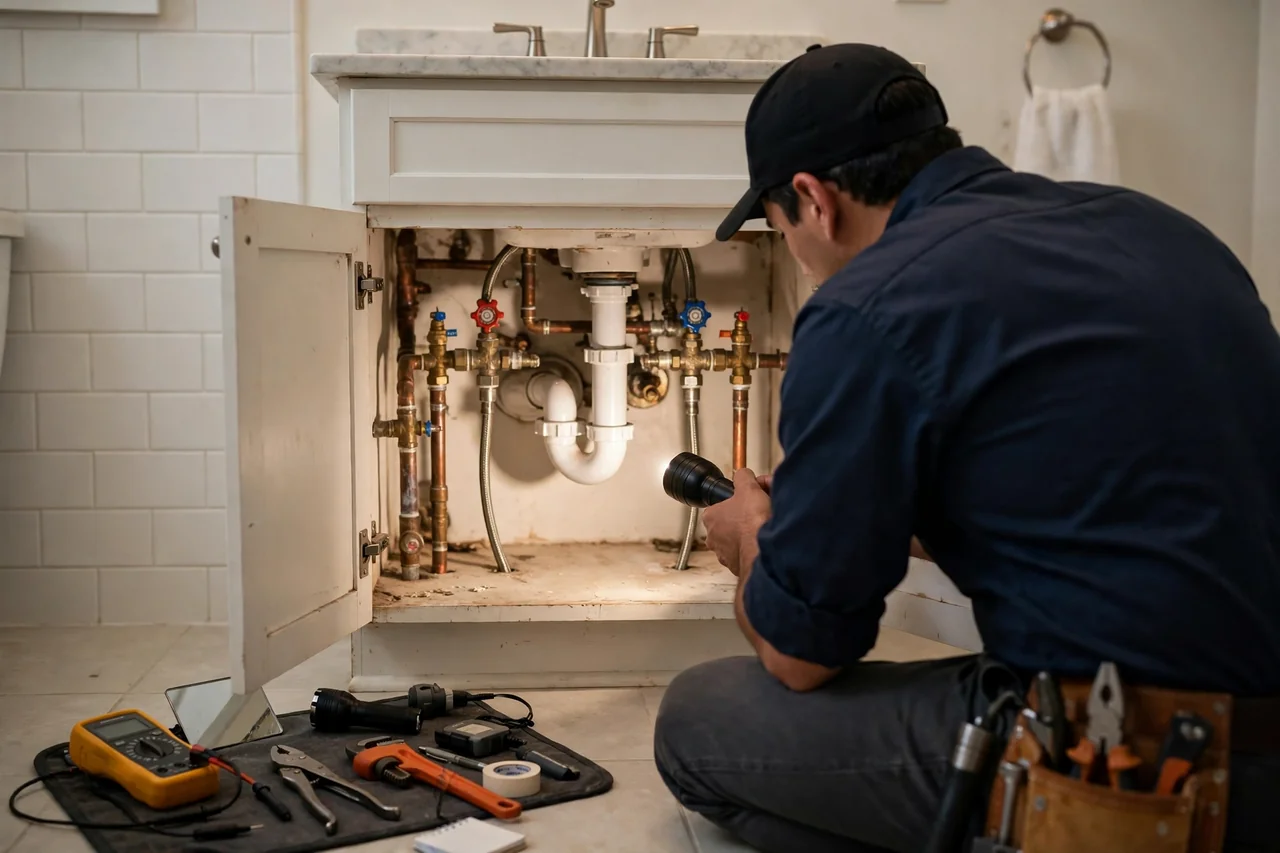
The old toilet comes up, and we look at the flange, the closet bolts, and the floor around the drain. A cracked flange or soft subfloor gets addressed before anything new is set. We show you what we find and what it changes about the job.
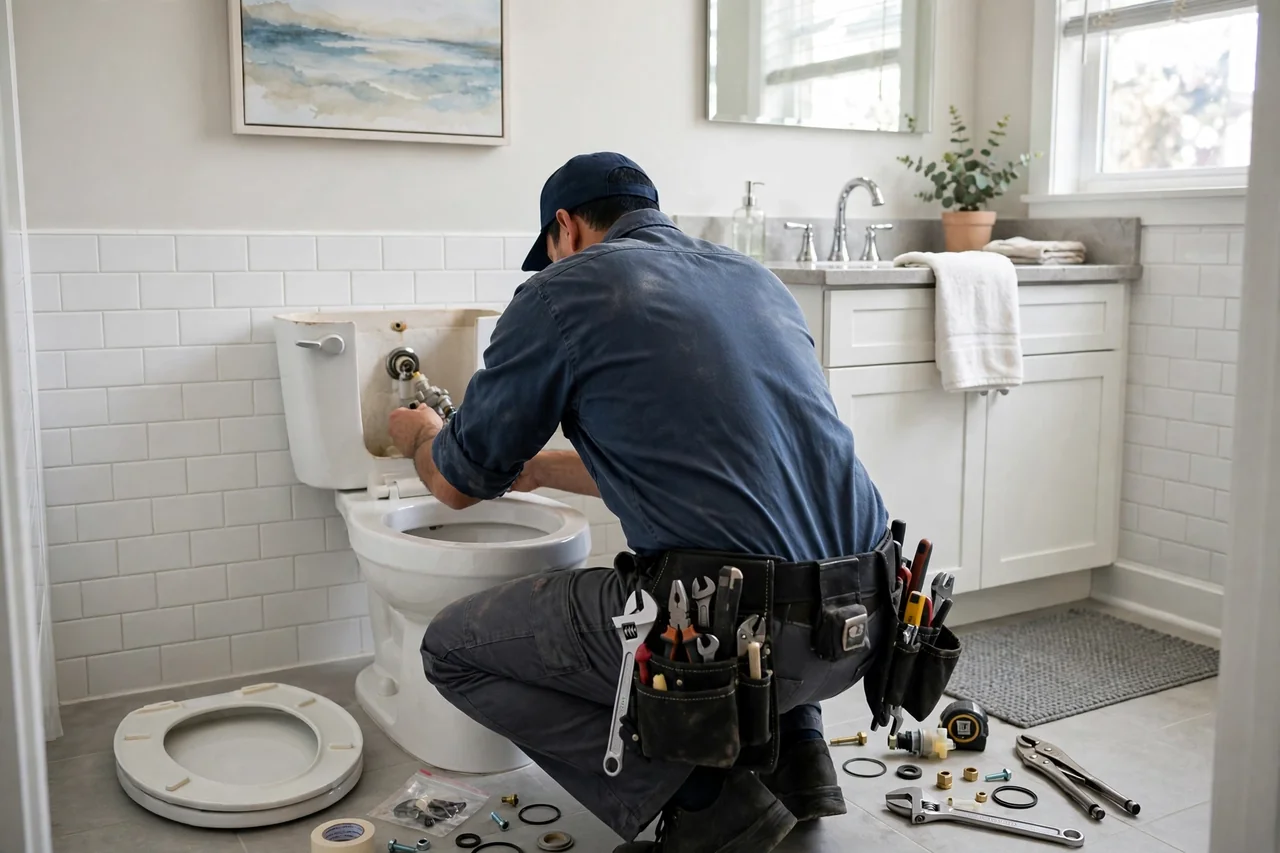
We set a fresh wax ring, lower the bowl straight down onto the flange, and tighten the closet bolts in a cross pattern so the base seats evenly. Shims go in only where the floor is out of level, and they get trimmed flush. The bowl does not rock when we are done.
The tank goes on with a new gasket, the supply line connects to the shutoff, and we set the fill and flush valves to the manufacturer's spec. We check the water level in the tank and bowl, confirm the flapper seals, and adjust the chain so it does not catch.

We run three full flushes, check the base and supply connections for any seep, and confirm the tank stops completely. Then we haul the old fixture out, wipe the floor, and walk you through what we set. The whole visit usually runs 45 to 90 minutes.
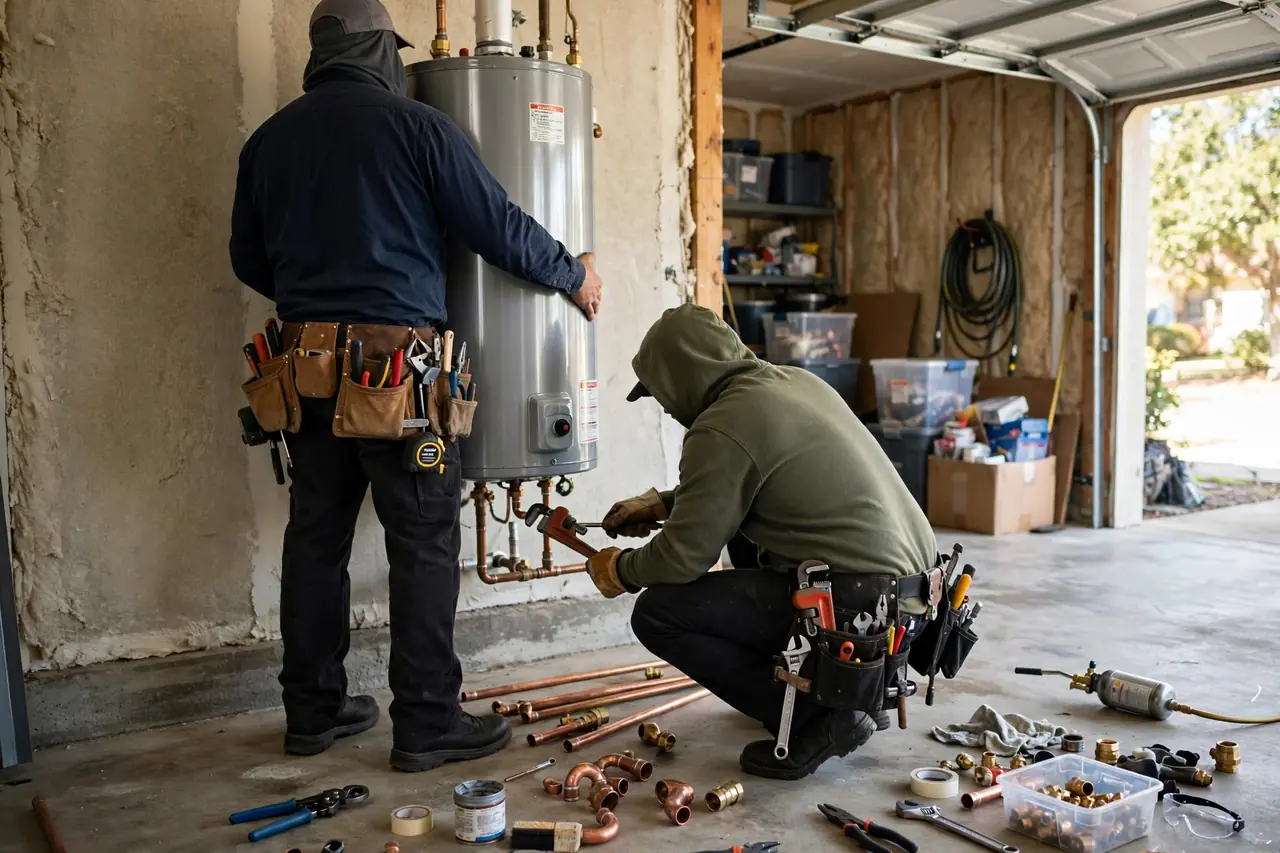
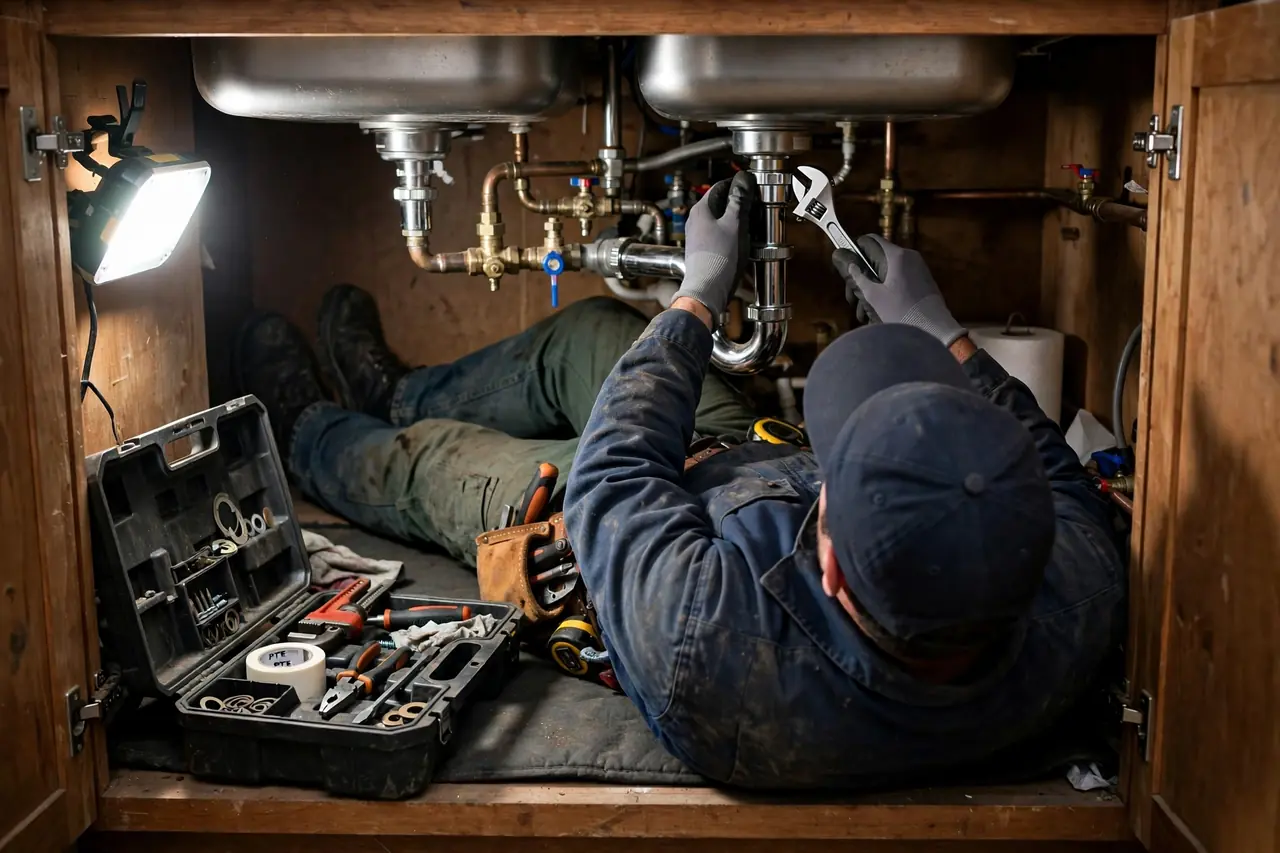
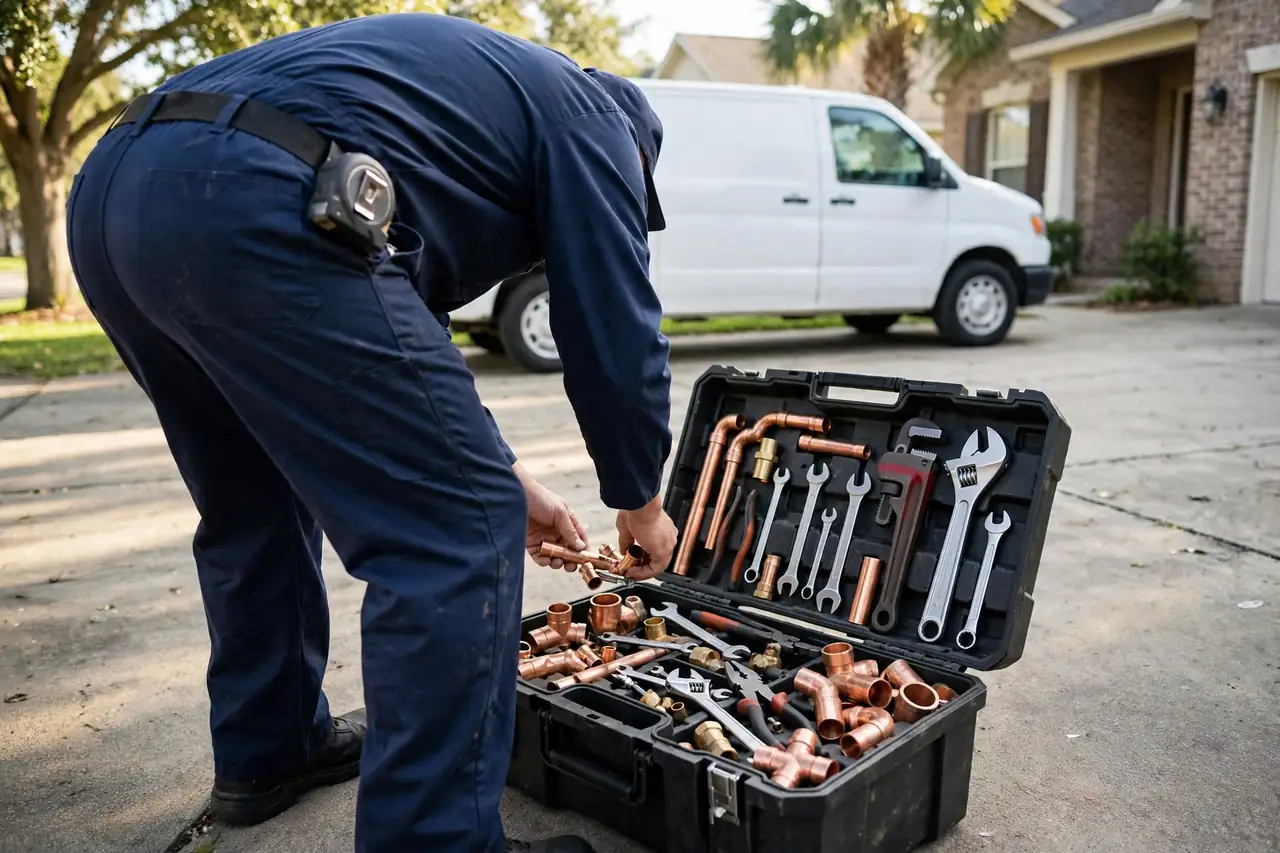
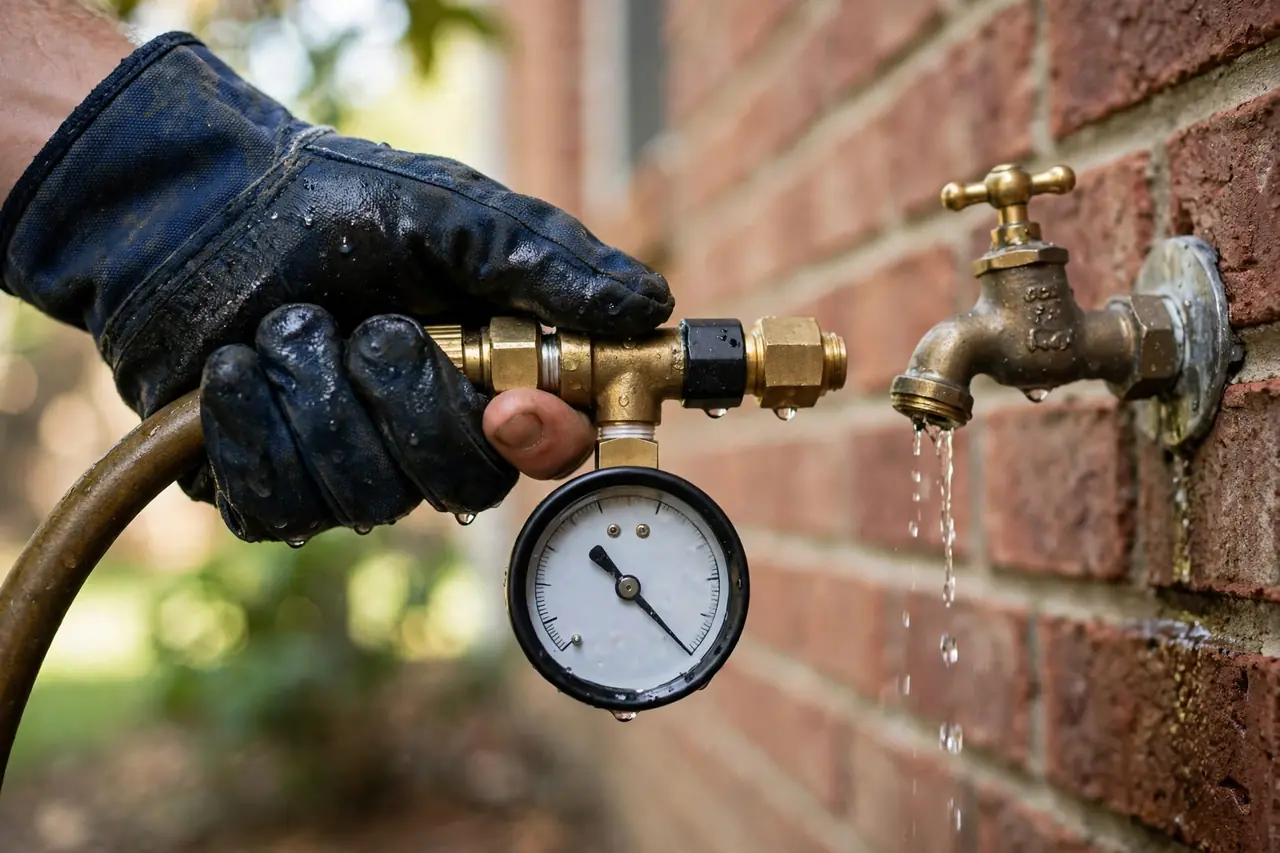
Used to break loose the supply line and the shutoff valve when they are frozen or corroded. A proper wrench prevents rounding the nut and damaging the valve body.
Cuts copper or PEX clean when a shutoff or supply stub needs replacing. A square cut is what makes a press fitting or compression nut seal without leaks.
Used with push-fit or expansion fittings when we replace a shutoff or repair a supply line. It makes a mechanical connection without soldering near the new fixture.
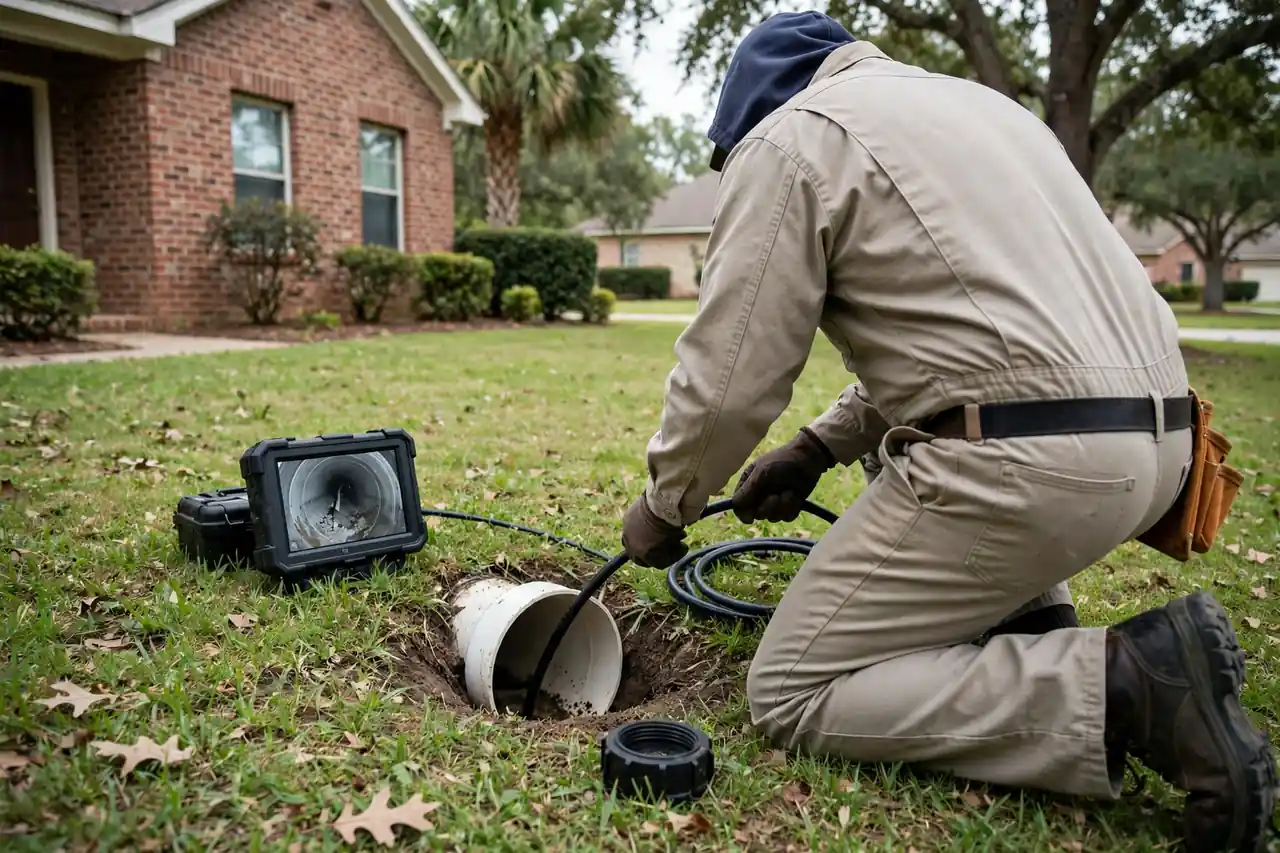
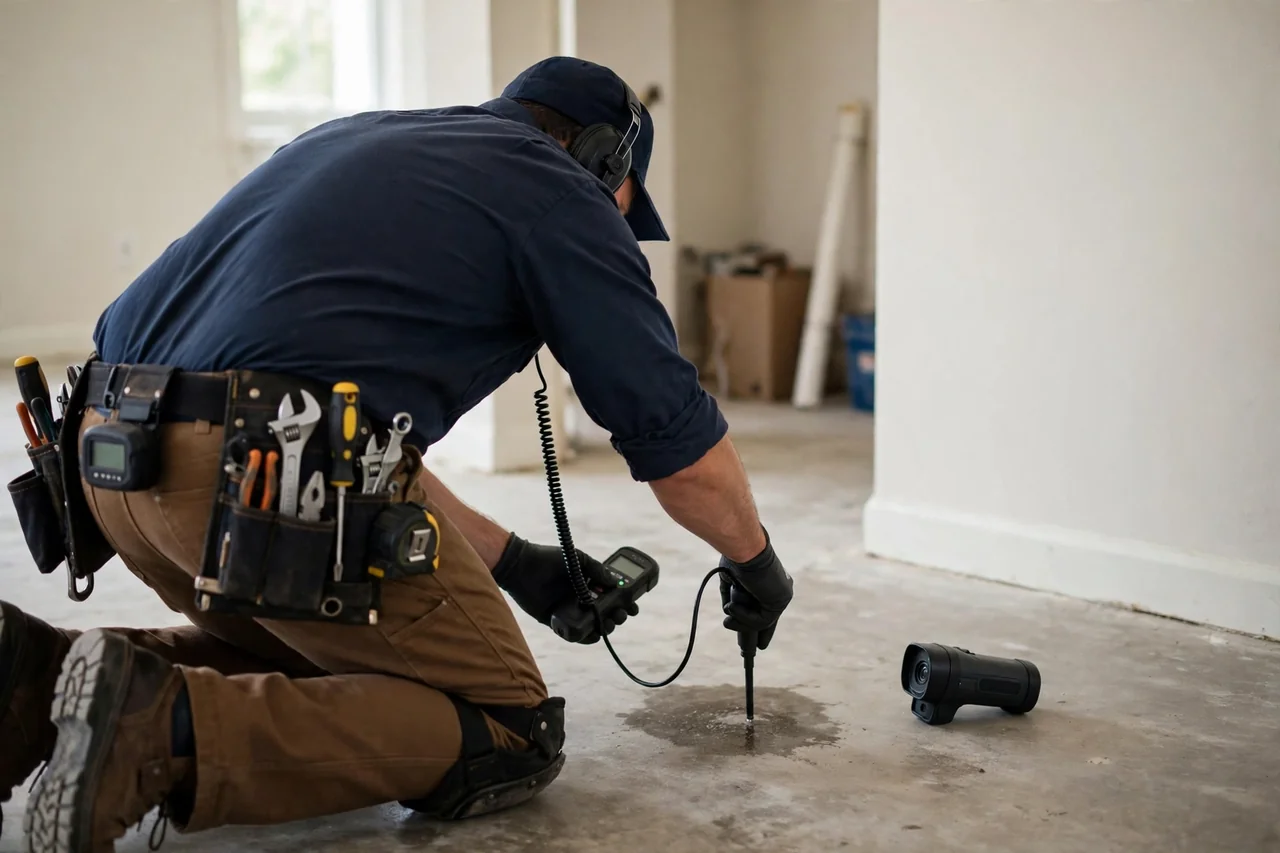
Runs the drain line when a new toilet backs up right after install. It shows whether the problem is the fixture or a blockage downstream in the sewer lateral.
Clears scale and grease from the drain line when a snake is not enough. We use it before setting a fixture if the line is slow.
Used with copper pipe and brass fittings when a soldered repair is the right call. It is kept away from the new fixture until the joint is cool.
Clears a clog close to the fixture before we set the new toilet. It confirms the branch line is open so the new bowl drains clean from the first flush.
We measure from the finished wall to the center of the drain before the new fixture is unboxed. A 10-inch, 12-inch, or 14-inch rough-in determines which model fits without an offset flange.
We pull the old toilet, inspect the cast iron flange, and set an extension flange to bring it level with the new tile. Then we set a comfort height model on a fresh wax ring and test the flush. The new toilet sits flat on the tile, the base does not rock, and the drain flows the way it should.
We source a standard round-front model, set it in one visit, and haul the old fixture away. The shutoff and supply line get replaced at the same time so the next tenant does not call about a drip. The unit is ready to show the same afternoon, and the owner has photos of the flange and the finished set.
We confirm the rough-in, set the fixture, connect the supply, and handle the electrical connection to the dedicated circuit. Then we walk the homeowner through the remote and the settings. The smart toilet is running, the seat and bidet functions are set, and the bathroom is back in service the same day.
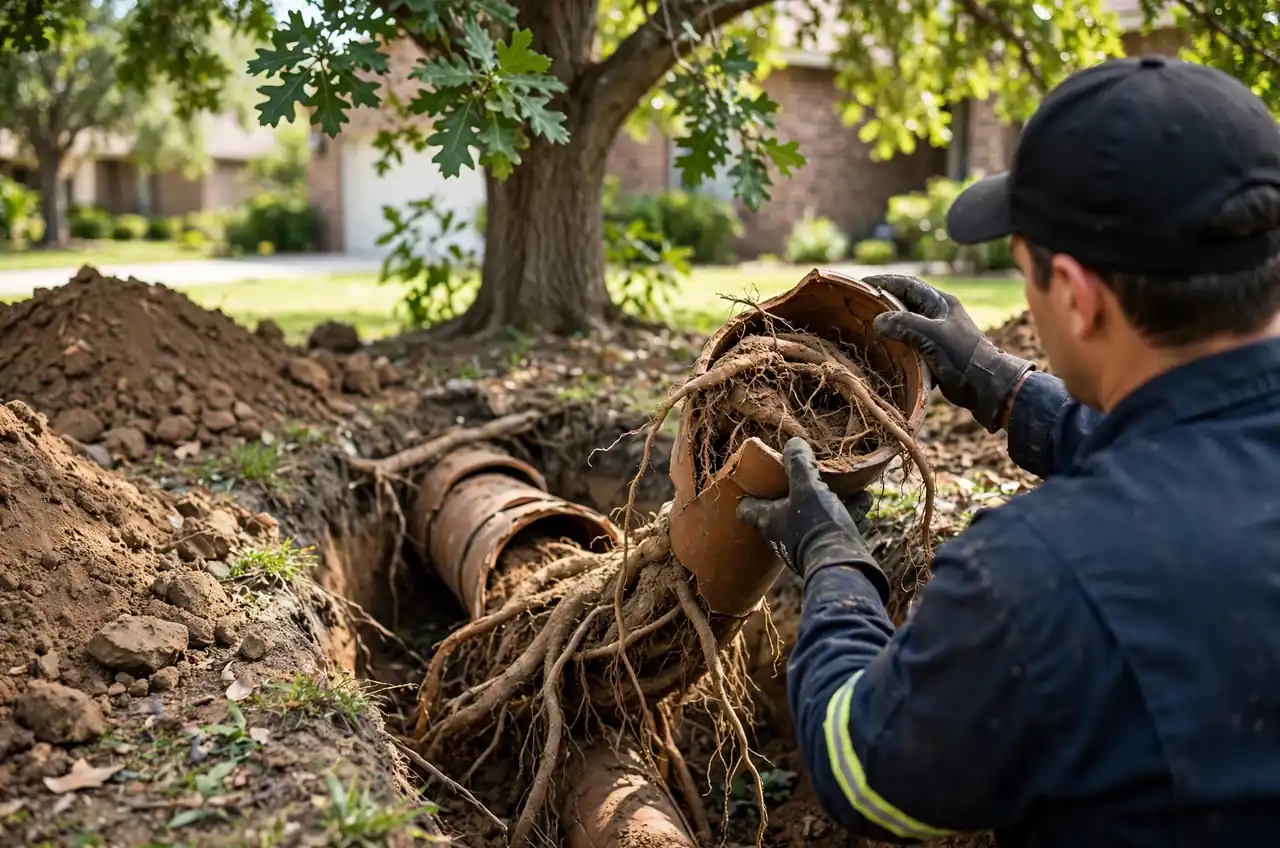
We camera the drain line and find root intrusion in the sewer lateral. We clean the line, repair the section, and set a new toilet once the drain is clear. The backups stop, and the new fixture drains without the recurring plunge.
Bathroom remodels in the Heights, Montrose and River Oaks drive most installs, while Sharpstown and Meyerland bring slab-home flange work. Hard water makes the fill valve worth choosing well.
A hall bath in a 1960s Bellaire ranch had a toilet that rocked every time someone sat down. The wax ring had failed, and the flange had a crack running through one bolt slot. The floor around the base was soft.
We replaced the flange, set a new comfort height toilet on a fresh wax ring, and tightened the closet bolts in a cross pattern. The base is solid, the floor is dry, and the flush is clean. The old fixture went out with us.
Check the base for movement once a year and keep the caulk line intact. If the toilet rocks, stop using it and call before the seal fails again.
A two-bedroom rental had a builder-grade toilet with a running fill valve and a stained bowl. The unit was vacant, and the owner needed it ready to show within two days.
We set a standard round-front toilet, replaced the supply line and shutoff, and ran three flush tests. The old fixture was hauled away, and the owner had photos of the flange and the finished set the same afternoon.
Replace the flapper every two to three years and check the fill valve at each turnover. A running toilet is the most common call we get on rentals.
A homeowner bought a smart toilet with a bidet seat and heated seat but did not have a dedicated circuit in the bathroom. The old toilet was a one-piece model that had been in place since the 1990s.
We confirmed the rough-in, set the new fixture, connected the supply, and tied the unit to a dedicated circuit. We walked the homeowner through the remote and the settings, and the bathroom was back in service the same day.
Clean the seat sensor with a soft cloth and descale the bidet nozzle every few months. Check the supply connection once a year for any seep.
Most calls start with one symptom and turn out to be something else. Here are the four we see most, and what it takes to fix them right instead of patching over the problem.
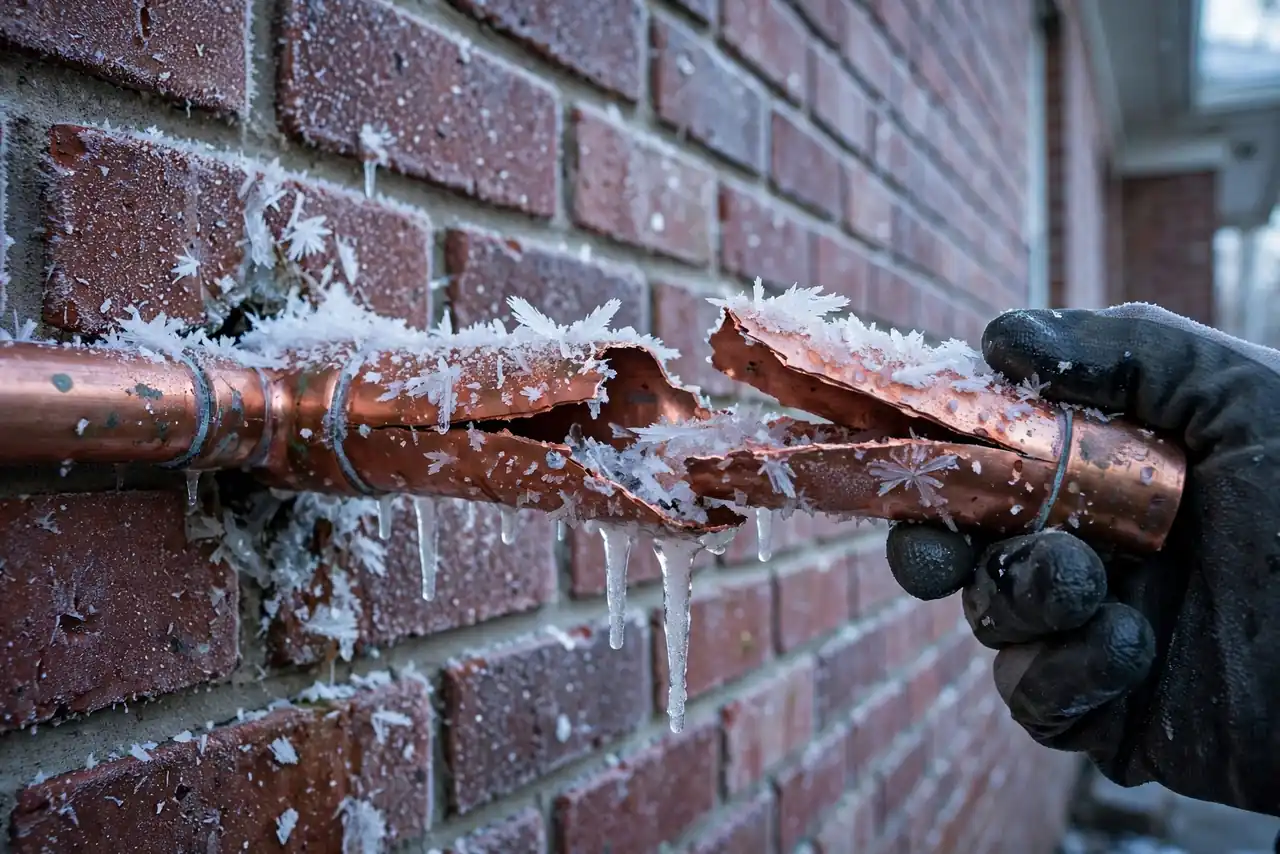
We pull the toilet, inspect the flange, and repair or replace it if it is cracked. Then we set the new bowl on a fresh wax ring, shim only where the floor is out of level, and tighten the closet bolts so the base does not move. A rocking bowl breaks the wax seal, and water starts seeping under the floor. Left alone, that turns into a soft subfloor and a much bigger repair.

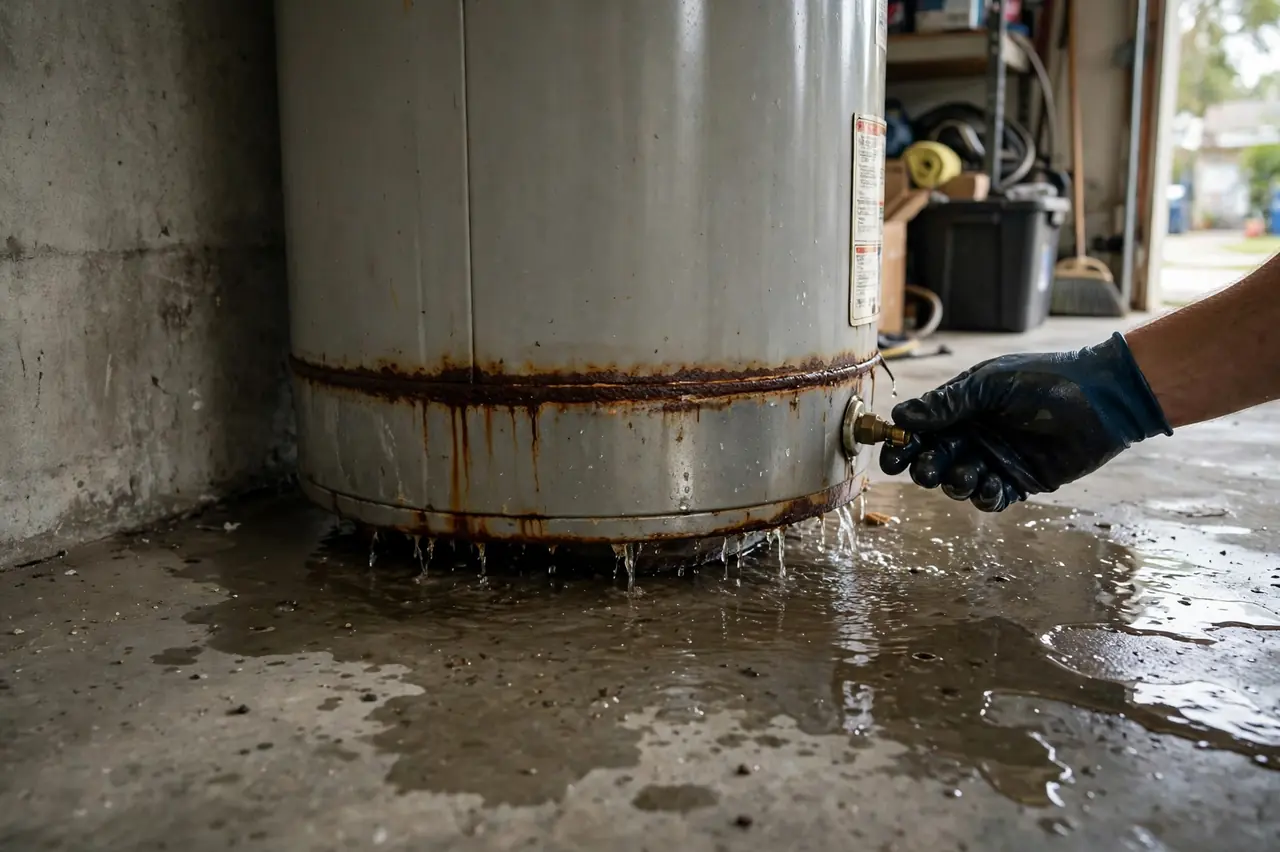
We lift the fixture, check the ring and the flange, and reset the toilet with new wax and hardware. If the leak is coming from the supply or shutoff, we repair that on the same visit so the floor stays dry. A base leak is usually the wax ring or a loose closet bolt. It soaks the subfloor and can show up as a stain on the ceiling below within a few weeks.
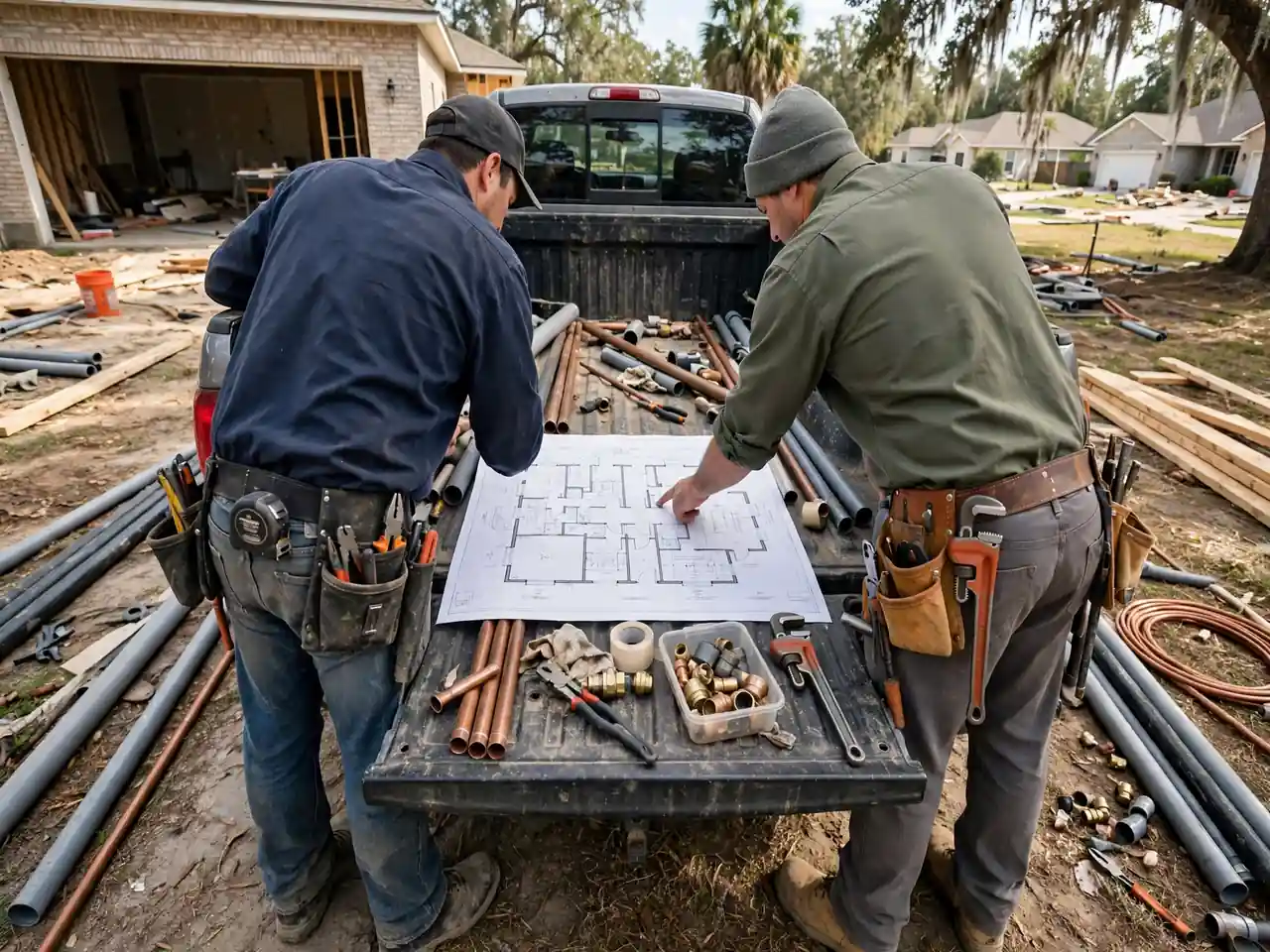
Sometimes a flapper or fill valve is all it needs, and we will tell you that instead of selling a new fixture. When the bowl is cracked or the model is past its life, we quote a replacement and set it the same visit. A running toilet can waste 200 gallons a day and add a large amount to a water bill before you notice. It also wears out the fill valve faster.
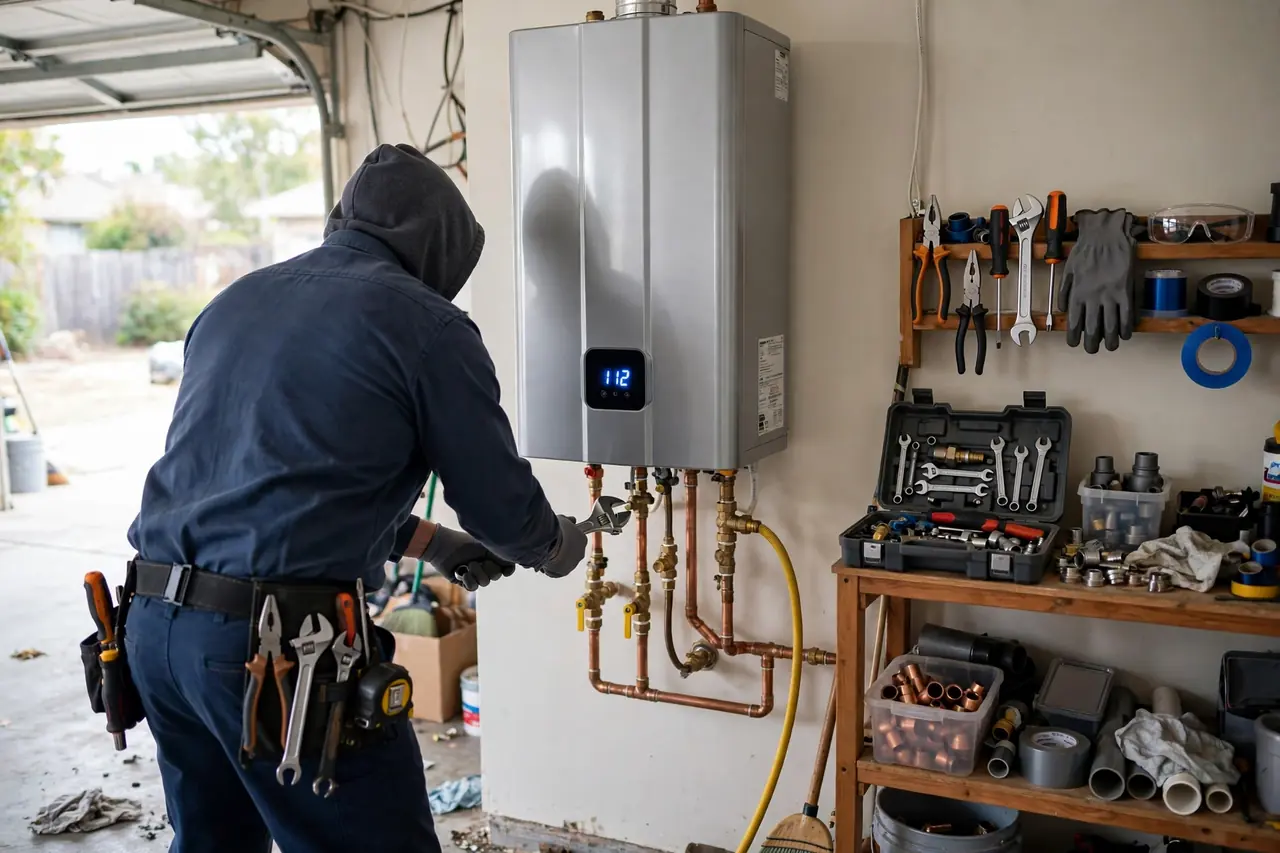
We measure the rough-in and the flange height, then use an offset or extension flange where it is needed. The new bowl sits level on the finished floor, and the base is caulked clean. Tile and backer board raise the floor, and the old flange no longer sits at the right height. The toilet rocks or the seal fails within months.
A running toilet can waste 200 gallons a day. When we install a new fixture, we set the fill valve and flapper, check the refill level, and confirm the tank stops completely after every flush. You leave with a toilet that is quiet between uses and a water bill that stops climbing.
The wax ring is the part nobody sees and the part that fails first. We set the bowl on a fresh ring, tighten the closet bolts in a cross pattern, and check for any seep at the base before we caulk. That is the difference between a dry floor and a soft spot you find two winters later.
Comfort height toilet installation Houston Texas customers ask for sits about 17 to 19 inches from floor to rim, which is easier on knees and hips. We measure your rough-in first, so the new bowl fits the existing drain without an offset flange or a trip back to the supply house.
We carry the old toilet out, bag the wax and hardware, and leave the floor clean enough to walk on. For rentals and quick turnovers, that means the unit is ready to show the same day instead of sitting with a bowl on the porch for a week.
Clear records you can keep and share.
What is included before we start
Images of anything we find under the old bowl
Three full flushes checked before we leave
The fixture is only half the job. The rough-in measurement and the flange condition decide whether the new toilet sits flat and drains clean.
Measure from the finished wall to the center of the drain. A 10-inch, 12-inch, or 14-inch rough-in decides which model fits without an offset flange.
A cracked or low flange will break a new wax seal. We check it before the bowl goes down and repair it if needed.
Comfort height sits about 17 to 19 inches from floor to rim. It is easier on knees and hips, and it fits most standard rough-ins.
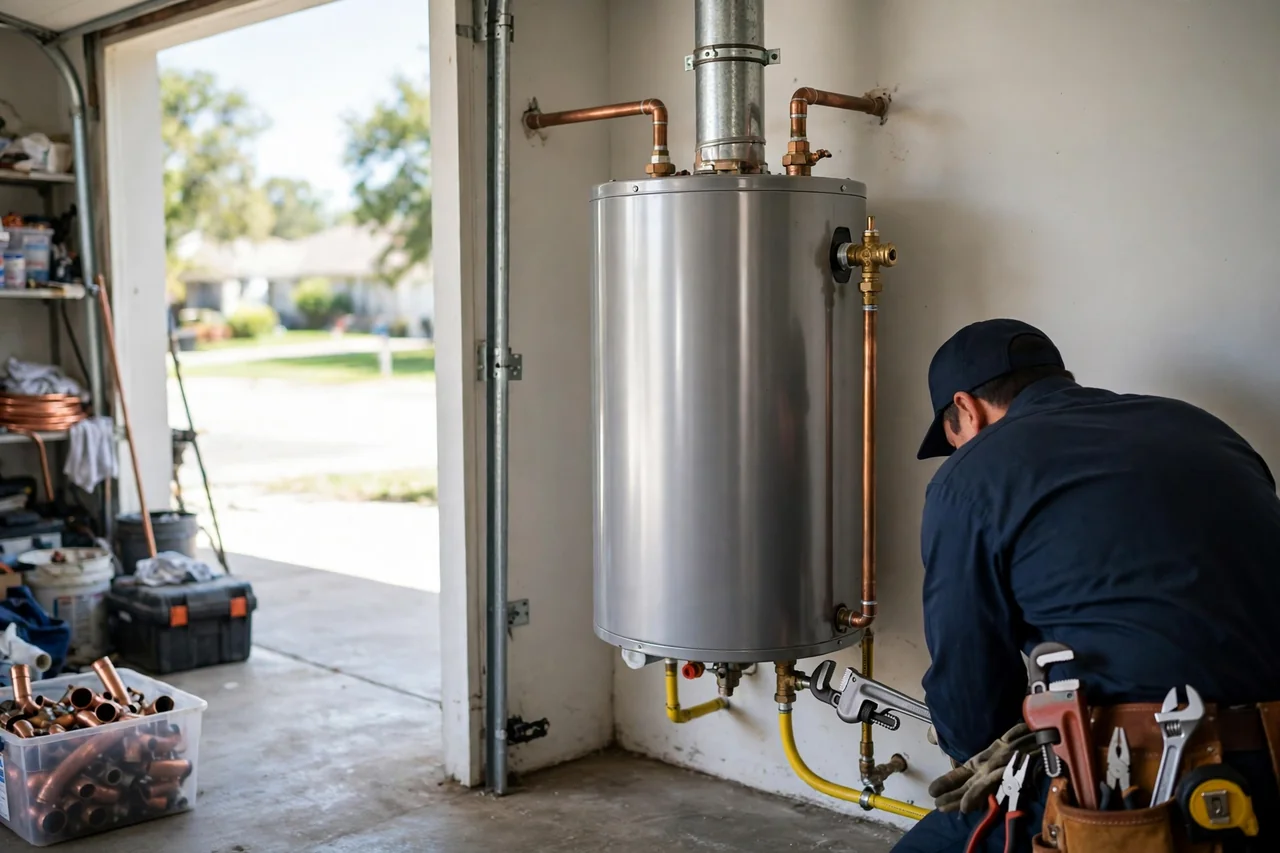
Outside these areas? Call and ask if we can reach you. (346) 776-8560
A plumber should install a toilet. Setting the fixture involves the drain connection, the wax ring and the flange, and a bad seal leaks under the floor where nobody sees it until the subfloor is damaged.
A straightforward swap is usually a short visit. The job takes longer when the flange needs repair or the shutoff valve needs replacing, which is common in older Houston homes. We give you a written scope before we start.
The wax ring seals the toilet to the drain flange. If it fails or the flange is cracked or set too low, the toilet rocks and leaks at the base. A proper new ring and a checked flange are what keep the floor dry.
Yes. Estimates are free, and you approve the written scope before work starts. We are open Monday to Sunday, 7:00 AM to 10:00 PM.
Call (346) 776-8560 for a free estimate. We check the flange, set the wax ring, fit the toilet and test it before we leave, Monday to Sunday, 7:00 AM to 10:00 PM.
Call us at (346) 776-8560 to book toilet installation or ask a question. We are open Monday to Sunday, 7:00 AM to 10:00 PM, and estimates are free.
The fastest way to book is a phone call. Tell us what is happening and we will give you a free estimate and a time that works, Monday to Sunday, 7:00 AM to 10:00 PM.
Open Mon–Sun, 7:00 AM–10:00 PM. Free estimates.