Permit records
The permit and inspection record for your gas job
Gas line services in Houston are the repair and installation of gas lines for ranges, dryers, fireplaces, pool heaters, outdoor kitchens and standby generators. Gas work is safety work. El Primo Lalo Plumbing repairs and installs gas lines in Houston for ranges, dryers, fireplaces, pool heaters, outdoor kitchens and standby generators, with a permit, a pressure test and a City inspection on every job.
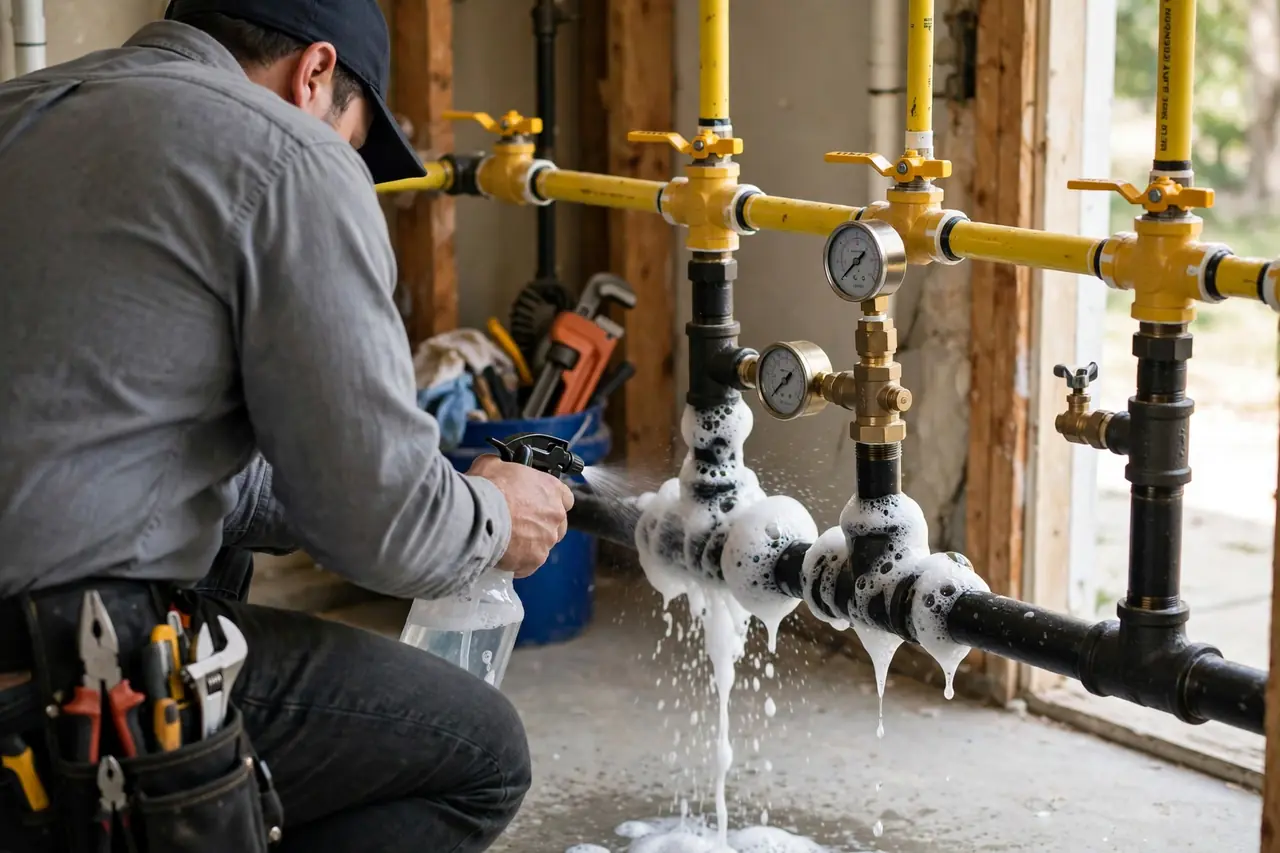
Every gas job covers the same ground: sizing, routing, permit, test and inspection. No step is skipped, because gas work is safety work.
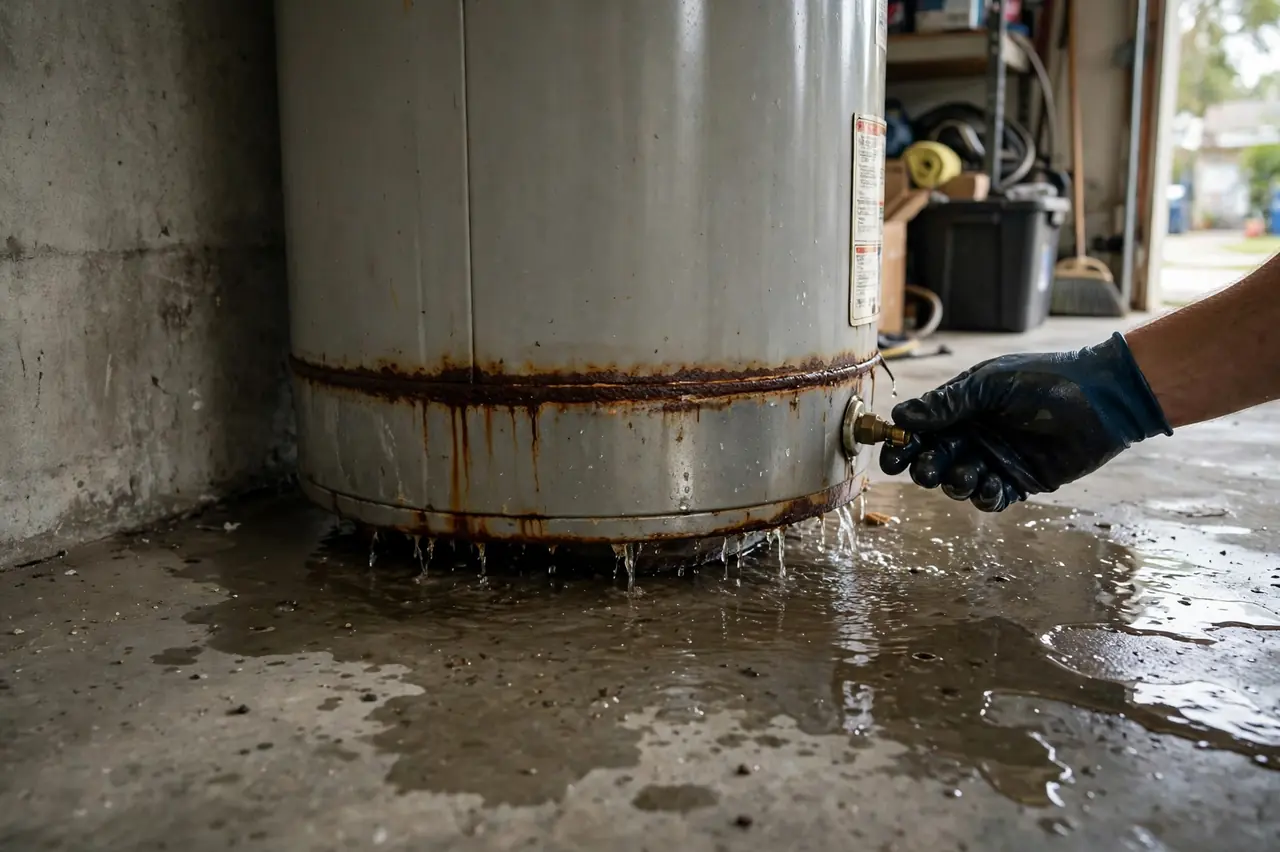
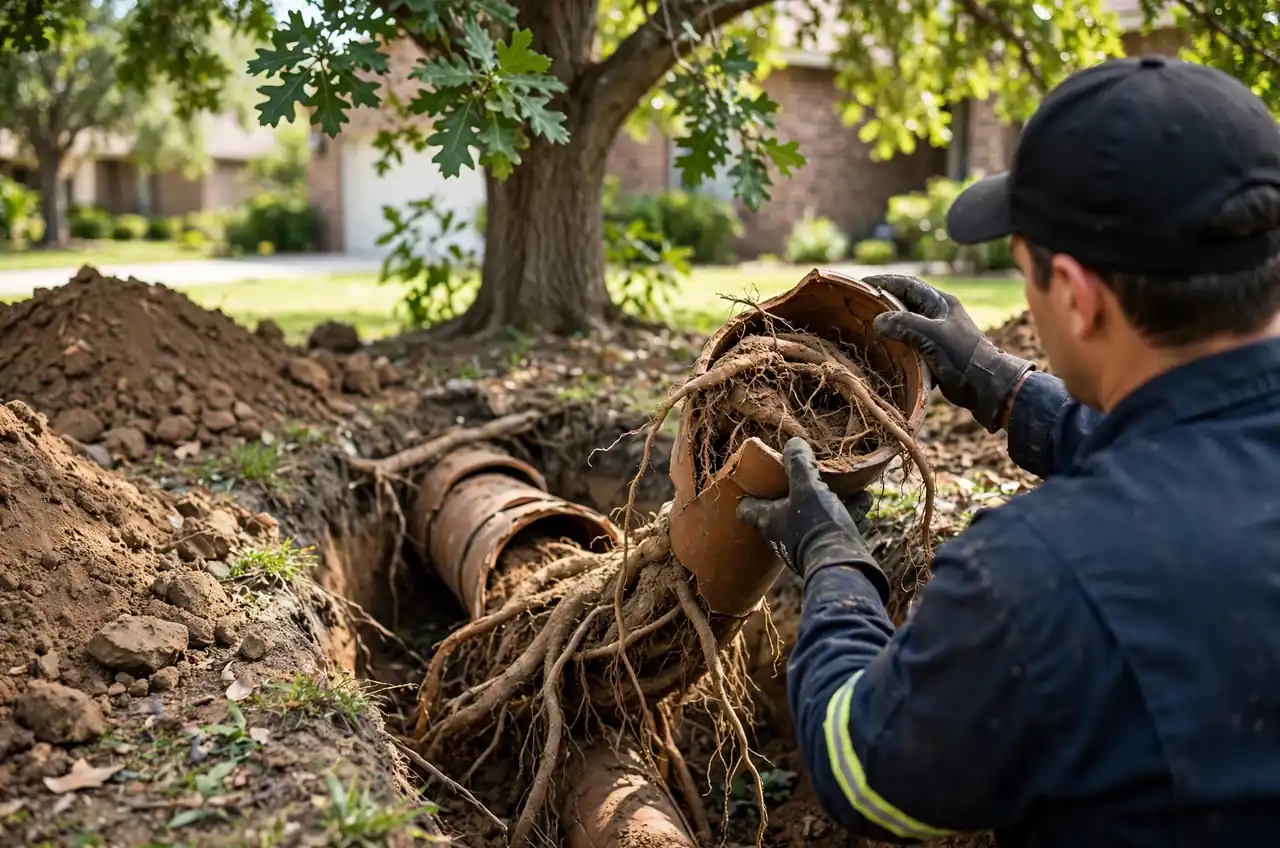
We install and repair gas lines for Houston homeowners, from a range conversion to a standby generator hookup. Every job is permitted, pressure-tested and inspected.
Restaurants and commercial kitchens need gas lines sized for their equipment and inspected to code. We size, route, permit and test commercial gas work around the business.
The gas meter is the boundary. CenterPoint Energy owns the main, the service line and the meter; the house-side gas piping is the homeowner's, and a plumber works on that side. If you smell gas, leave the house first and call CenterPoint Energy or 911 from outside. Do not flip switches, light anything, or go back inside to look for the leak.
Gas line work follows a sequence: load calculation and sizing, routing, permit, pressure test, and City inspection. Appliances that need gas lines include standby generators, pool heaters, outdoor kitchens and fire features, six-burner ranges, tankless heaters, dryers, fireplaces and grills. Materials are black iron, corrugated stainless steel tubing, and buried polyethylene. A whole-house gas repipe is a separate, multi-day job.
Smell gas? Leave first. Call from outside. Everything else can wait.
Every gas job follows the same five steps, in order, with no step skipped.
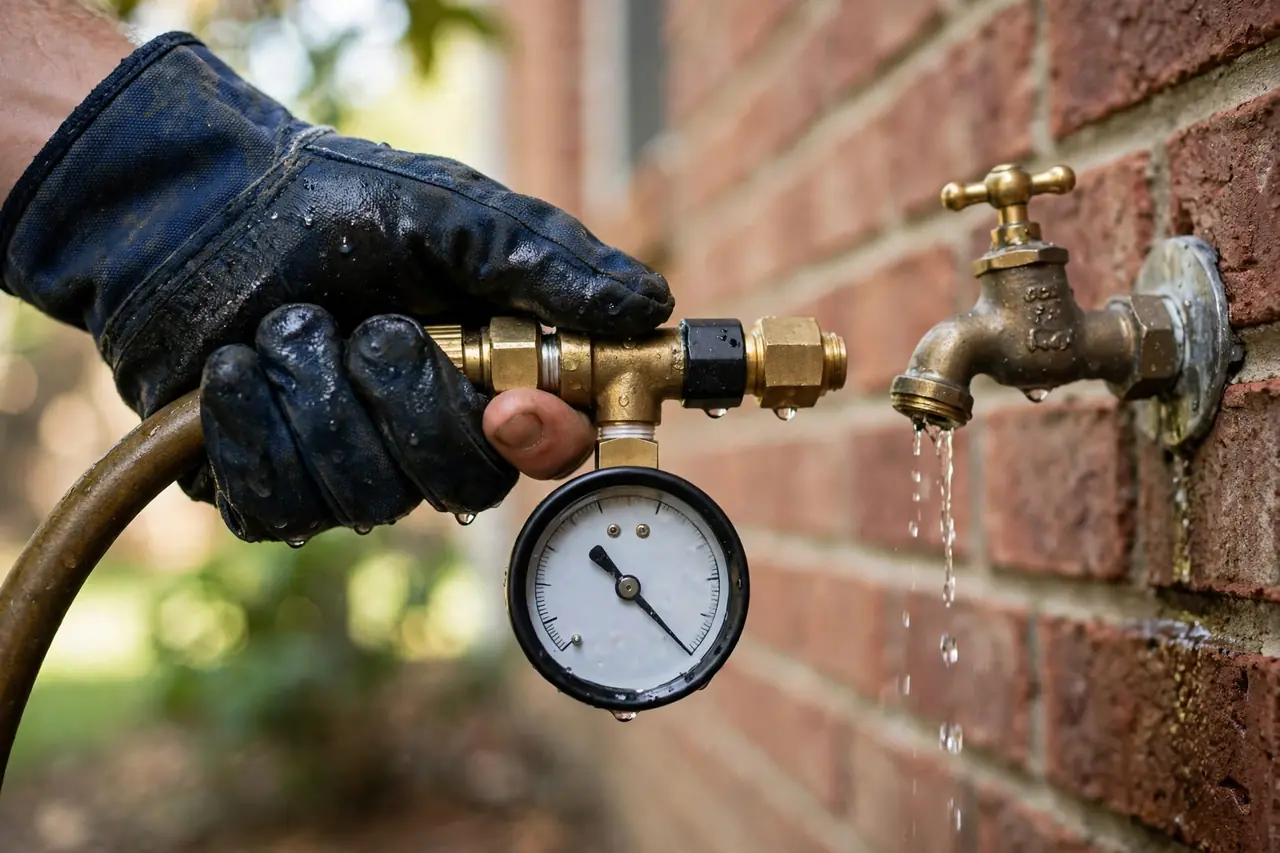
We list every appliance the line will serve and calculate the total load, so the line is sized right the first time.
We plan the route and the material, and coordinate a meter upgrade with the utility when the load needs it.

Gas work is a permit job. We confirm the permit and schedule the work around the inspection.
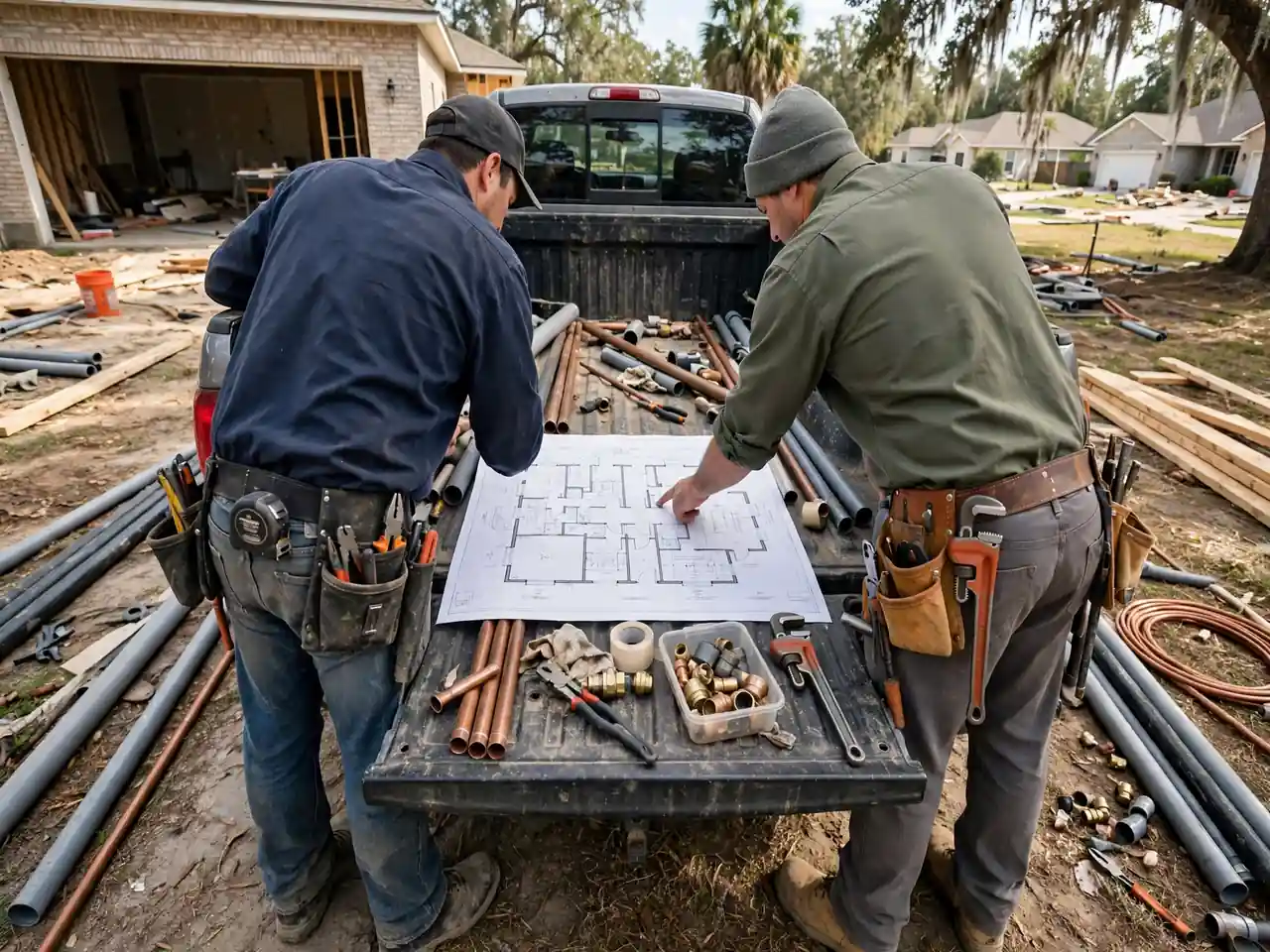
We install the line and pressure-test it before it is put into service.
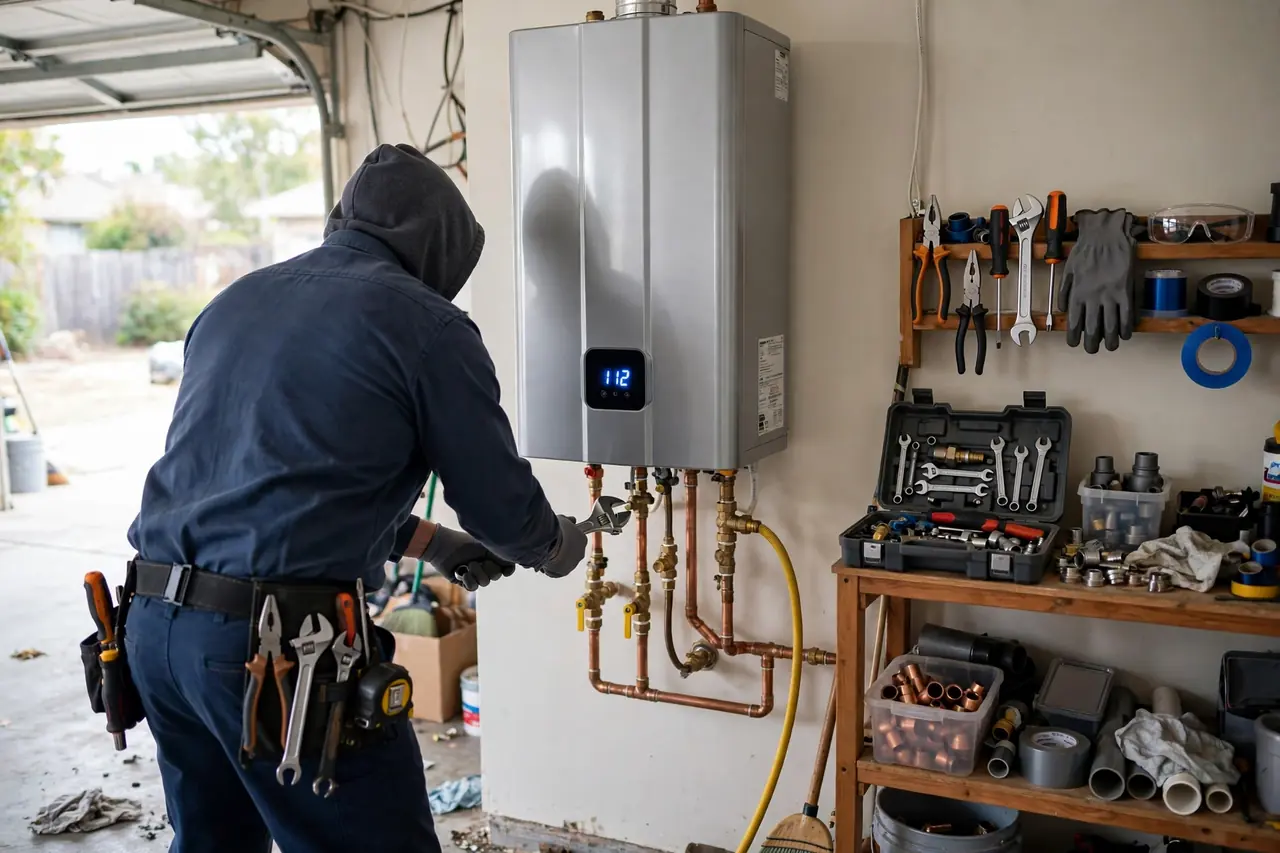
The City inspects the work, and only then are the appliances connected and lit.
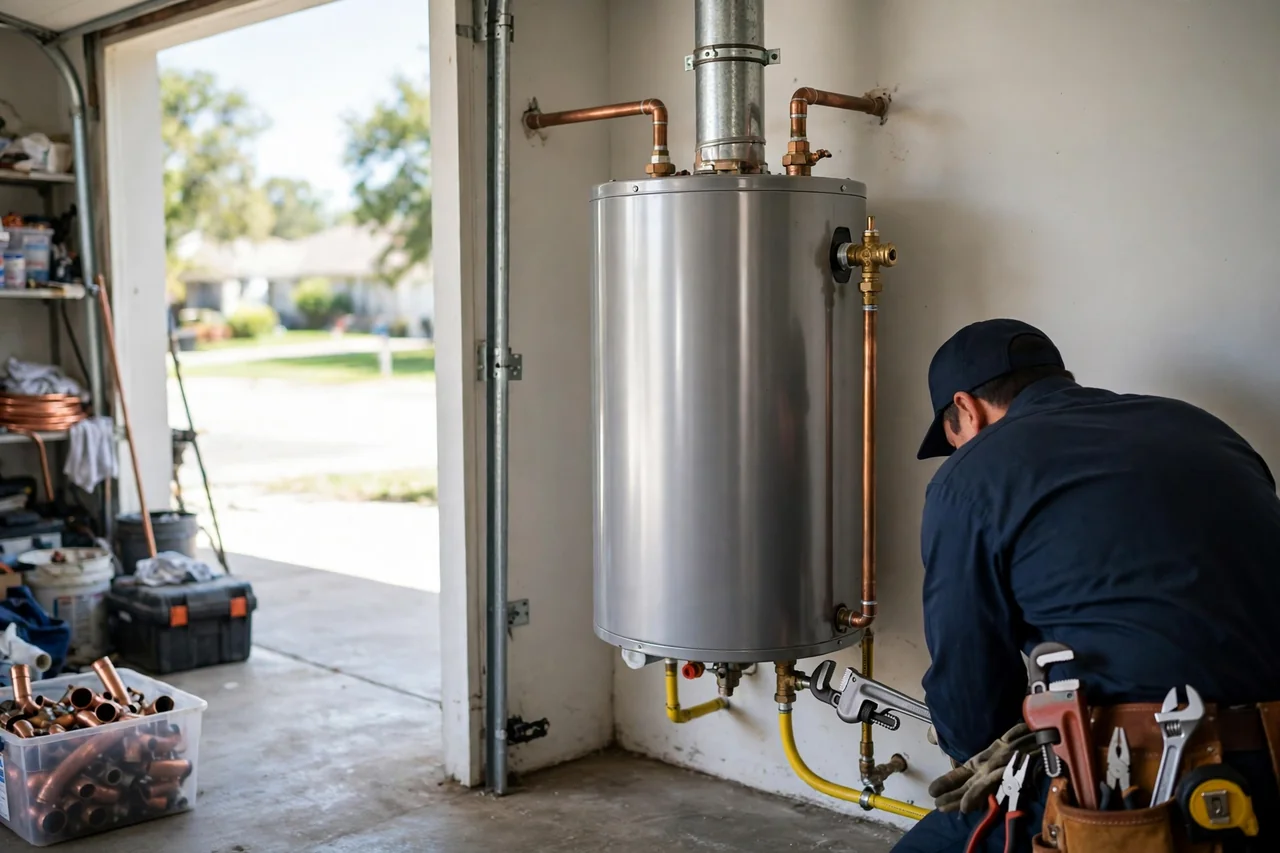
Sizes the line from the total appliance load, so nothing starves for gas.
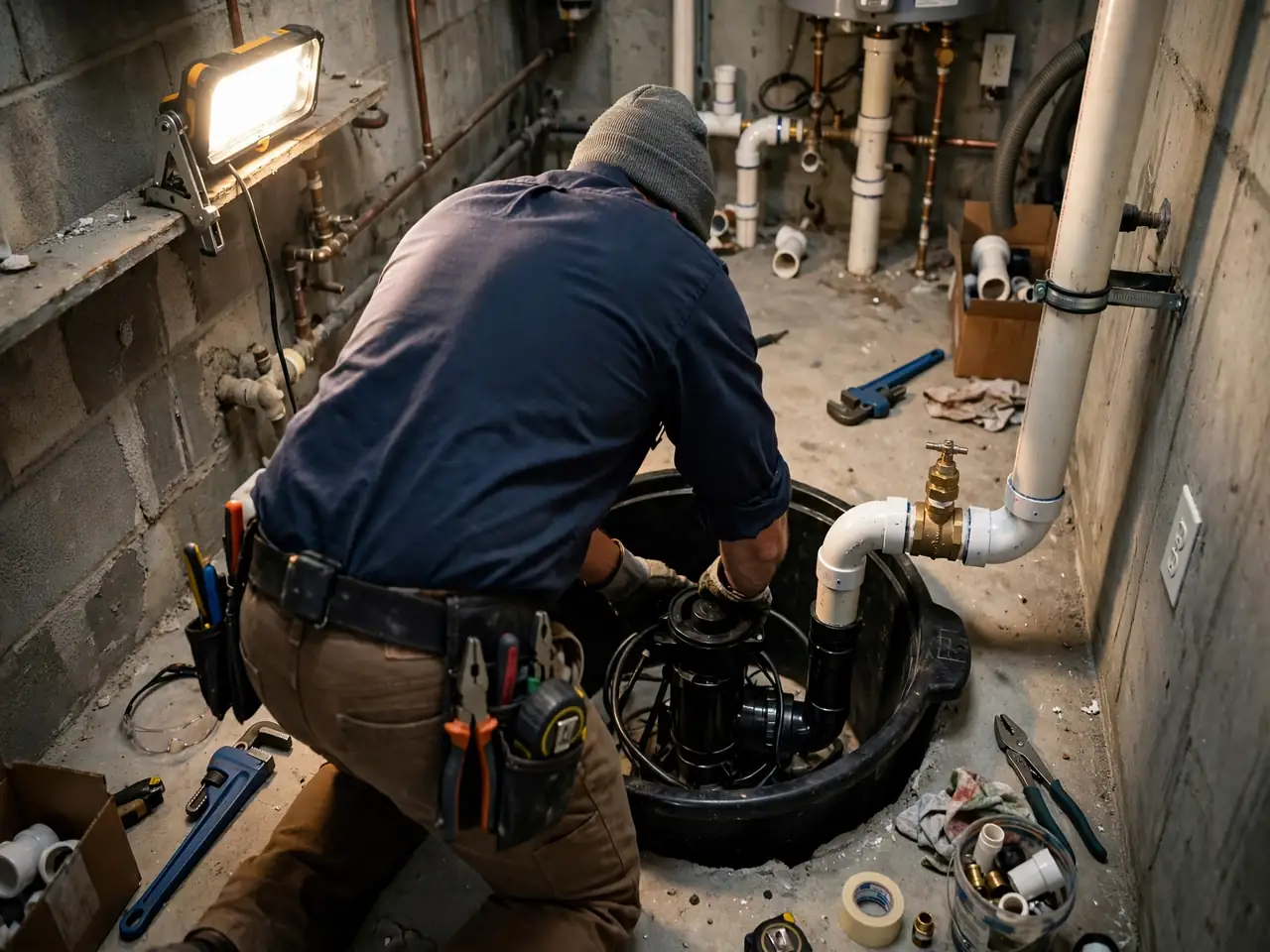
Cuts and threads black iron pipe for gas runs.
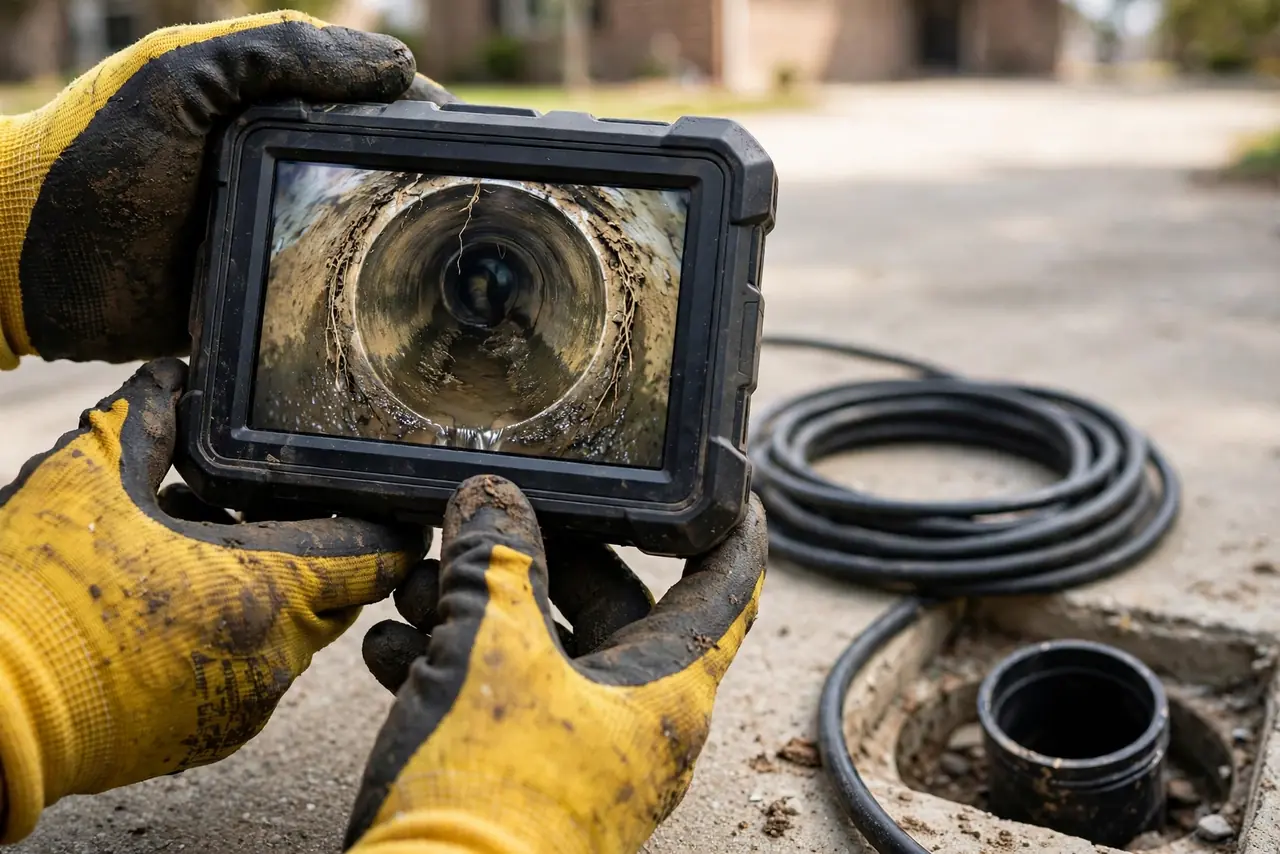
Flexible gas piping for runs where rigid pipe does not fit.
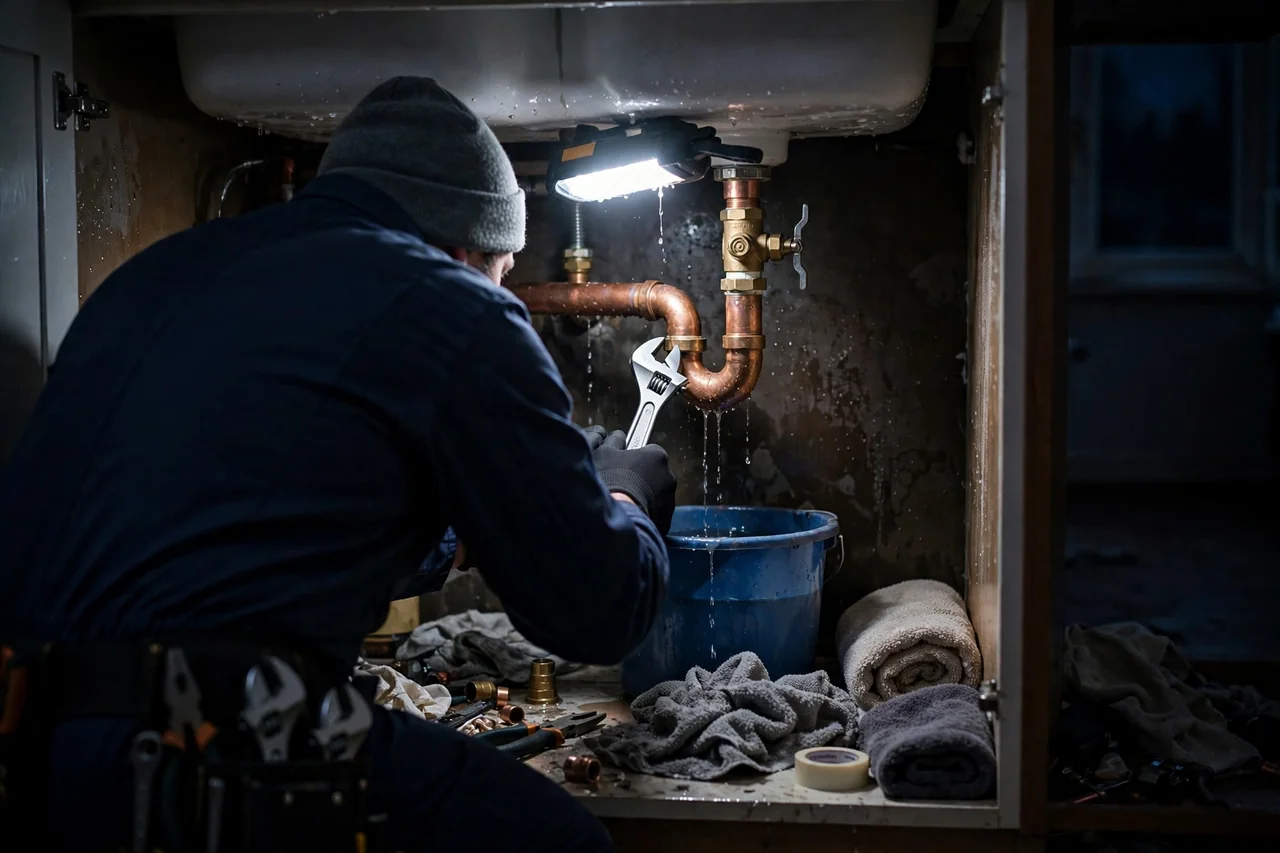
Gas piping for buried runs to a pool heater or outdoor kitchen.
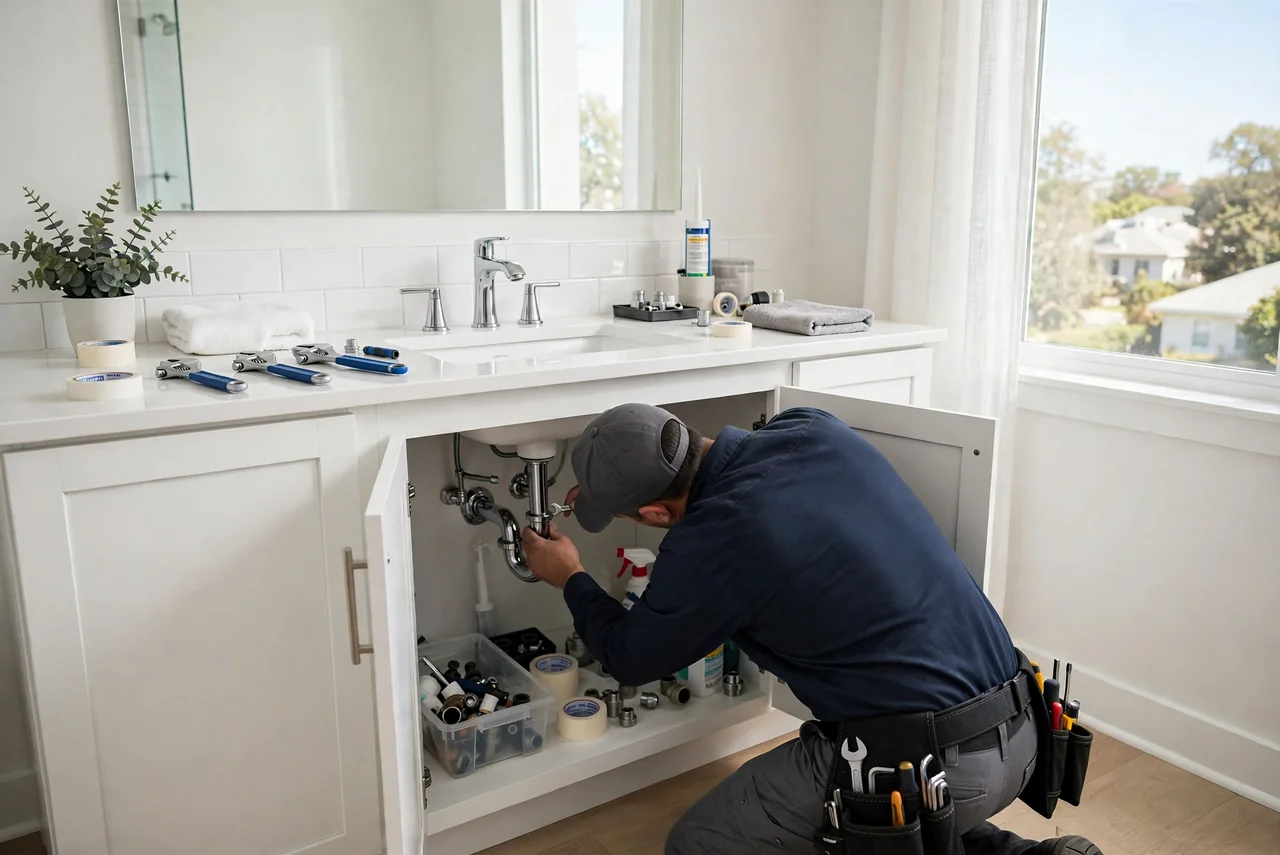
Proves the line holds pressure before it is put into service.
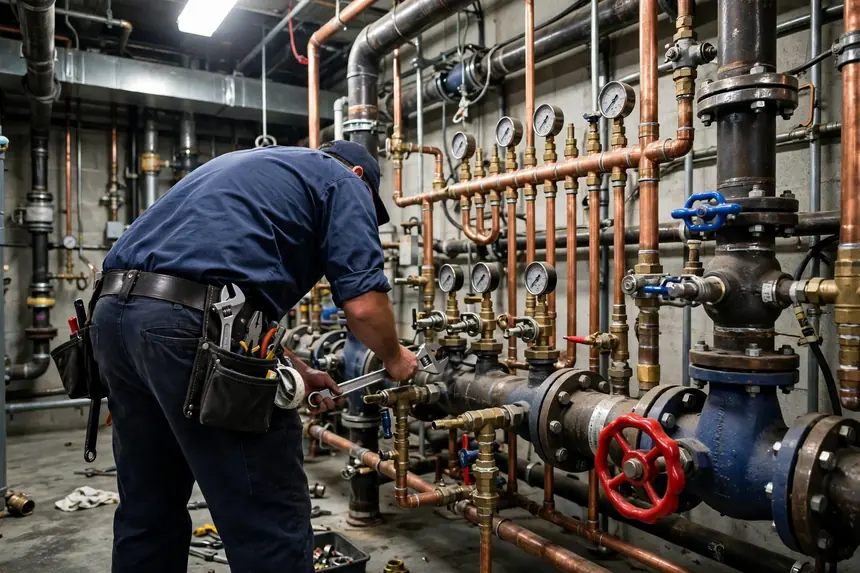
Checks every joint for leaks after the pressure test.
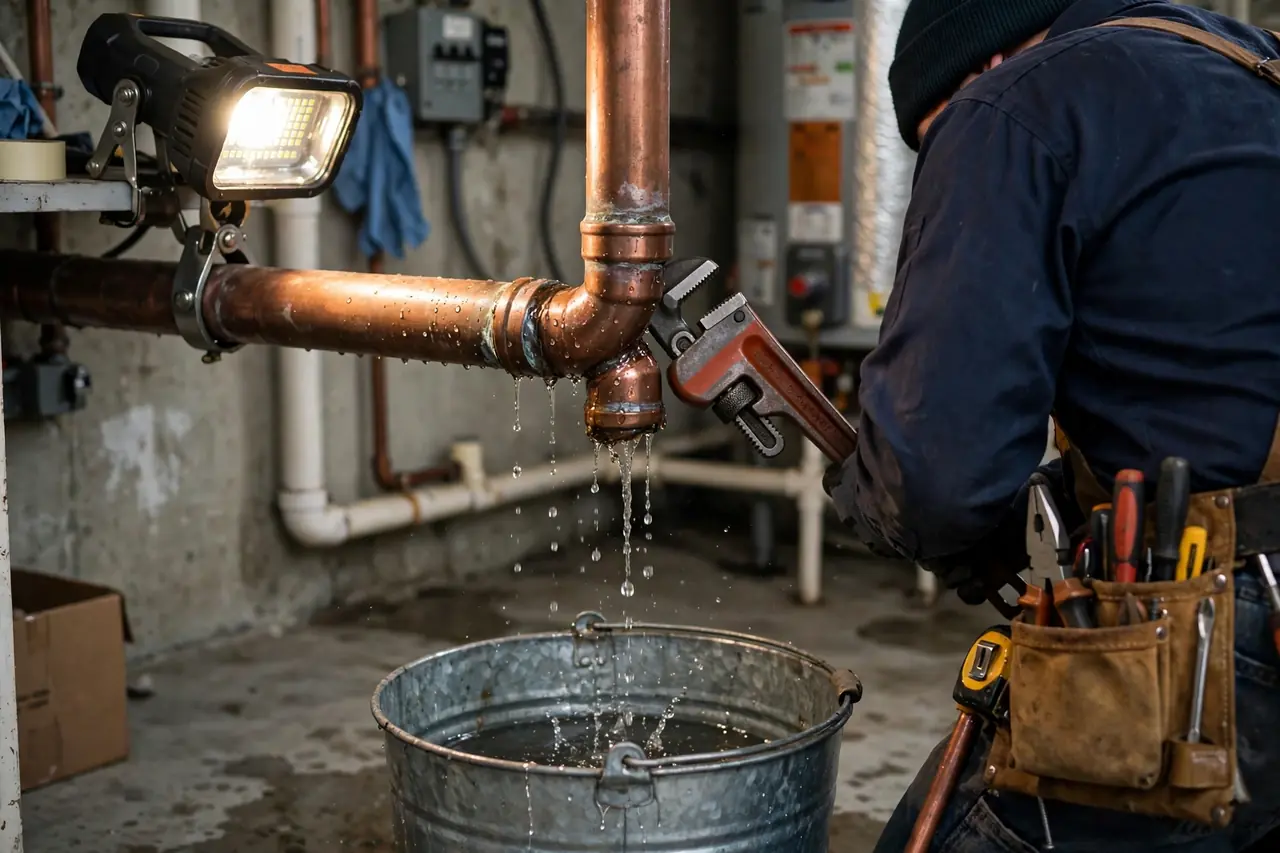
A shutoff at every appliance, so any one of them can be isolated.
Permit and test records kept for the City inspection and for you.
The generator needed a dedicated gas line sized to its load, with a meter upgrade coordinated with the utility. The line was permitted, tested and inspected before the generator was connected.
The grill and fire feature needed a buried gas run in polyethylene. The route, permit, test and inspection were all handled before the patio was finished.
The kitchen had no gas line. We ran a new line from the meter, sized it to the range, and had it tested and inspected before the range was lit.
The dryer needed a gas line and a shutoff valve. The line was pressure-tested and the dryer was connected and checked before we left.
Generator and outdoor-kitchen gas work concentrates in larger homes in River Oaks, Memorial and the Galleria area, where the appliances are, and in the Heights and Montrose where older gas lines and conversions meet. Safety and the permit sequence are the same everywhere.
A homeowner wanted a standby generator after losing power in a freeze, but the house had no gas line sized for it.
We calculated the load, coordinated a meter upgrade, ran the line, and had it pressure-tested and inspected before the generator was connected.
Generator demand spikes around hurricane season and after freeze outages, so the work is booked ahead, not in a storm.
A family building an outdoor kitchen needed gas for a grill and a fire feature, run under a new patio.
A buried polyethylene run was permitted, tested and inspected before the patio was finished, so nothing had to be dug up twice.
Buried gas runs are planned before the patio, not after it.
A bungalow kitchen had no gas line, and the owner wanted a gas range.
We ran a new line from the meter, sized it to the range, and had it tested and inspected before the range was lit.
A range conversion is a permit job, not a flexible hose and a hope.
Most gas line calls fall into a few categories. Safety comes first in every one of them.
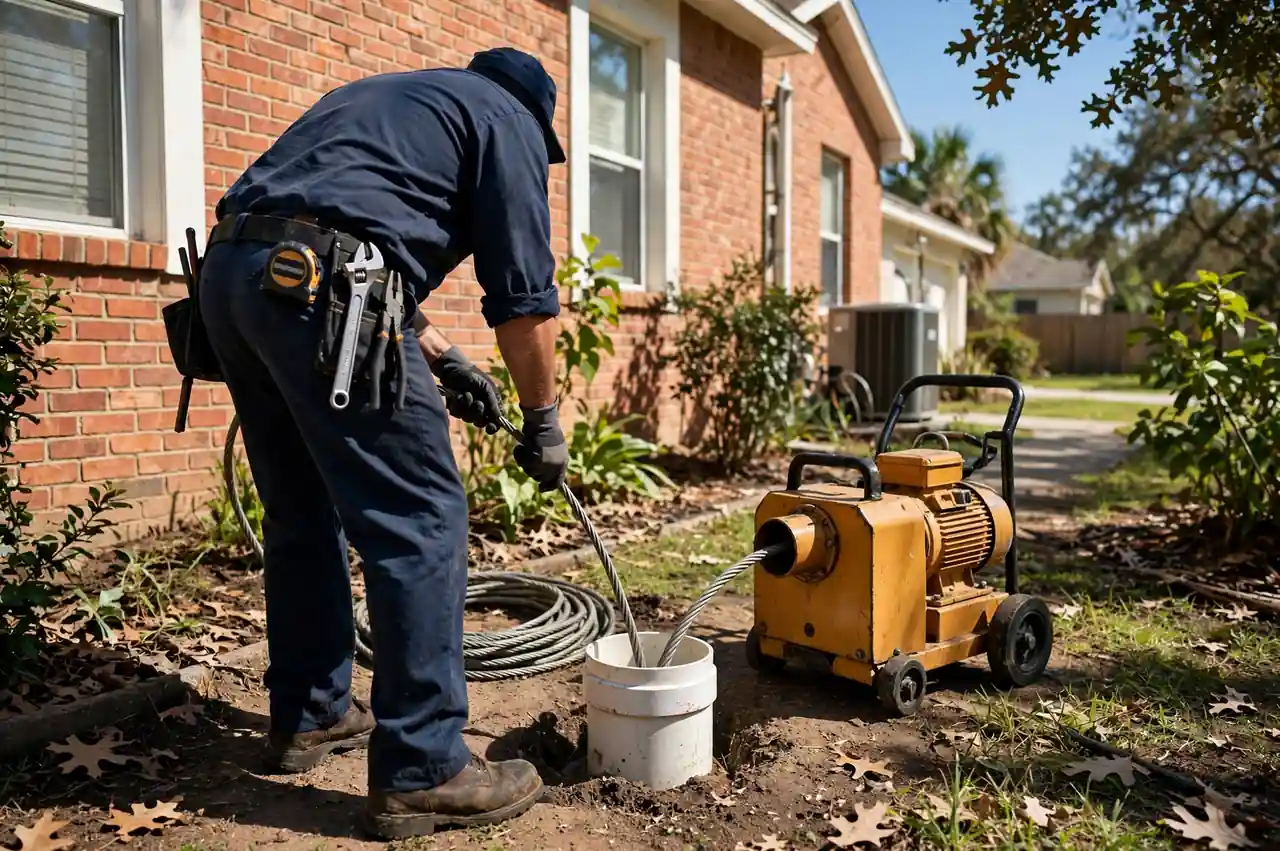
Leave the house first, then call CenterPoint Energy or 911 from outside. Do not look for the leak yourself.
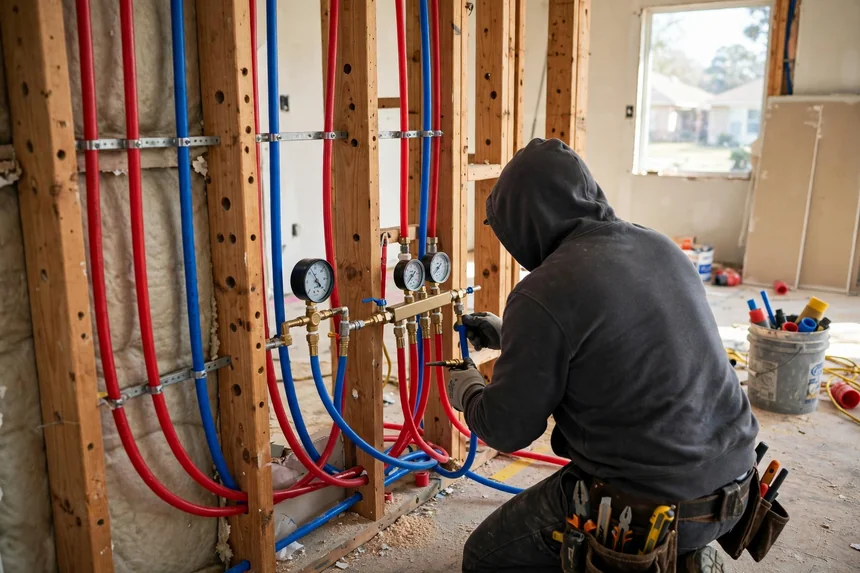
A range, dryer, pool heater or generator needs a line sized to its load, permitted and tested before it is lit.
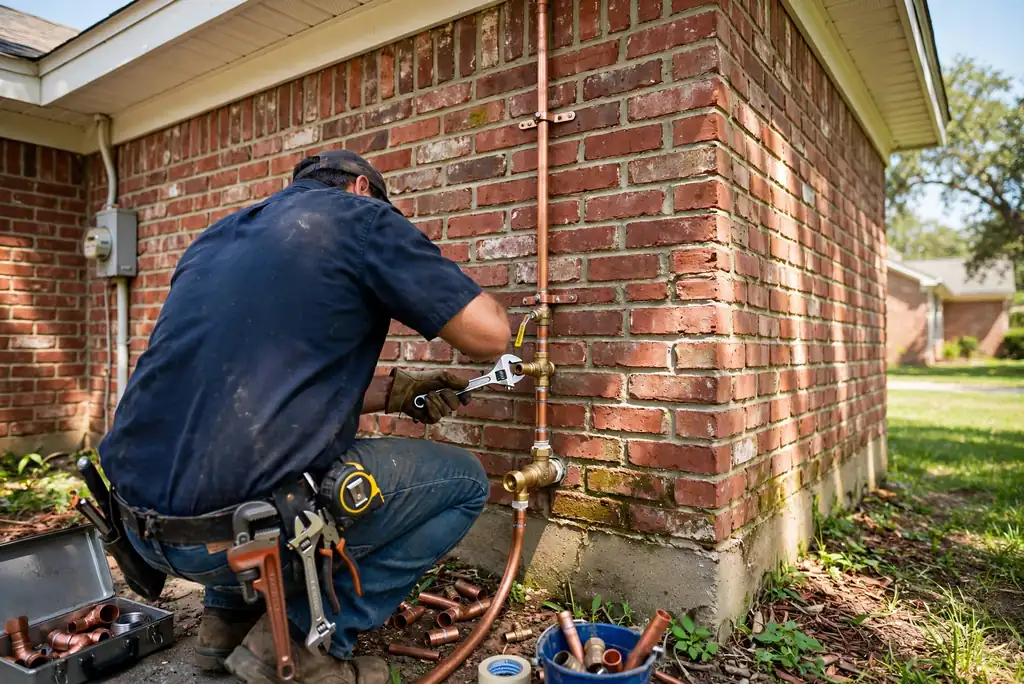
An aging or undersized line is replaced in black iron or corrugated stainless steel tubing, with a permit and inspection.
A buried gas run in polyethylene, routed, permitted, tested and inspected before the patio or deck is finished.
Gas work is safety work. Leave the house and call from outside if you smell gas; everything else can wait.
A line sized from the total appliance load means the range, dryer and generator all get the gas they need.
Every gas job is permitted, pressure-tested and inspected, with the records kept for you.
Sizing, routing, permit, test and inspection handled by one plumber, with one set of records.
Clear records you can keep and share.
The permit and inspection record for your gas job
The test record proving the line holds pressure
What was installed, sized and tested, in writing
CenterPoint Energy owns the main, the service line and the meter. The piping on the house side is the homeowner's, and that is the part a plumber works on, with a permit, a pressure test and an inspection.
Main, service line and meter belong to CenterPoint Energy. We do not touch them.
Piping past the meter is the homeowner's, and the plumber's work, permitted and tested.
Ranges, dryers, fireplaces, pool heaters, outdoor kitchens and generators all connect on the house side.
Outside these areas? Call and ask if we can reach you. (346) 776-8560
Leave the house first, then call CenterPoint Energy or 911 from outside. Do not flip switches, light anything, or go back inside to look for the leak. A plumber handles the house-side gas line only after the utility has made the area safe.
CenterPoint Energy owns the main, the service line and the meter. The piping on the house side of the meter is the homeowner's responsibility, and that is the part a plumber works on.
Yes. Gas work is a permit and inspection job: sizing, routing, permit, pressure test, and City inspection. We confirm the permit position for your job before we start.
Yes. Standby generators, pool heaters, outdoor kitchens, ranges, dryers, fireplaces and grills are all gas-line jobs. Sizing starts with a load calculation, and a meter upgrade is coordinated with the utility when needed.
With a pressure test followed by a City inspection. We do not publish a test pressure or hold time, because the requirement comes from the code and the permit, and we follow what the inspection requires.
Call (346) 776-8560 for a free estimate. We size the line, pull the permit, pressure-test and inspect it, Monday to Sunday, 7:00 AM to 10:00 PM. If you smell gas, leave the house first and call CenterPoint Energy or 911 from outside.
Call us at (346) 776-8560 to discuss gas line work or ask a question. We are open Monday to Sunday, 7:00 AM to 10:00 PM, and estimates are free. If you smell gas, leave the house first and call CenterPoint Energy or 911 from outside.
The fastest way to book is a phone call. Tell us what is happening and we will give you a free estimate and a time that works, Monday to Sunday, 7:00 AM to 10:00 PM.
Open Mon–Sun, 7:00 AM–10:00 PM. Free estimates.