Written scope
Fixed price and line-by-line plan
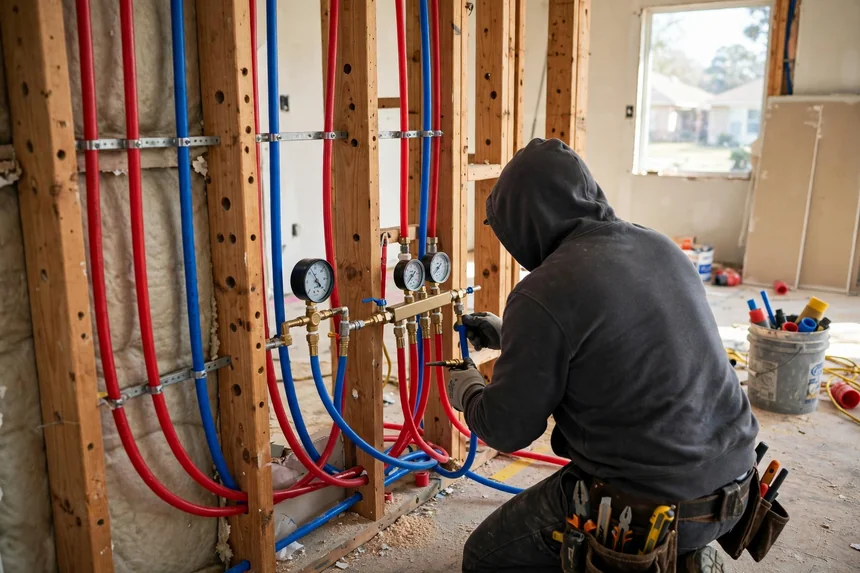
Repiping in Houston is the work of replacing tired galvanised or copper supply lines with PEX routed overhead, abandoning the under-slab lines entirely. When leaks keep coming back across the house, the pipes are done, not the fittings. El Primo Lalo Plumbing repipes Houston homes from galvanised or tired copper to PEX routed overhead through walls and the attic, abandoning the under-slab lines entirely.
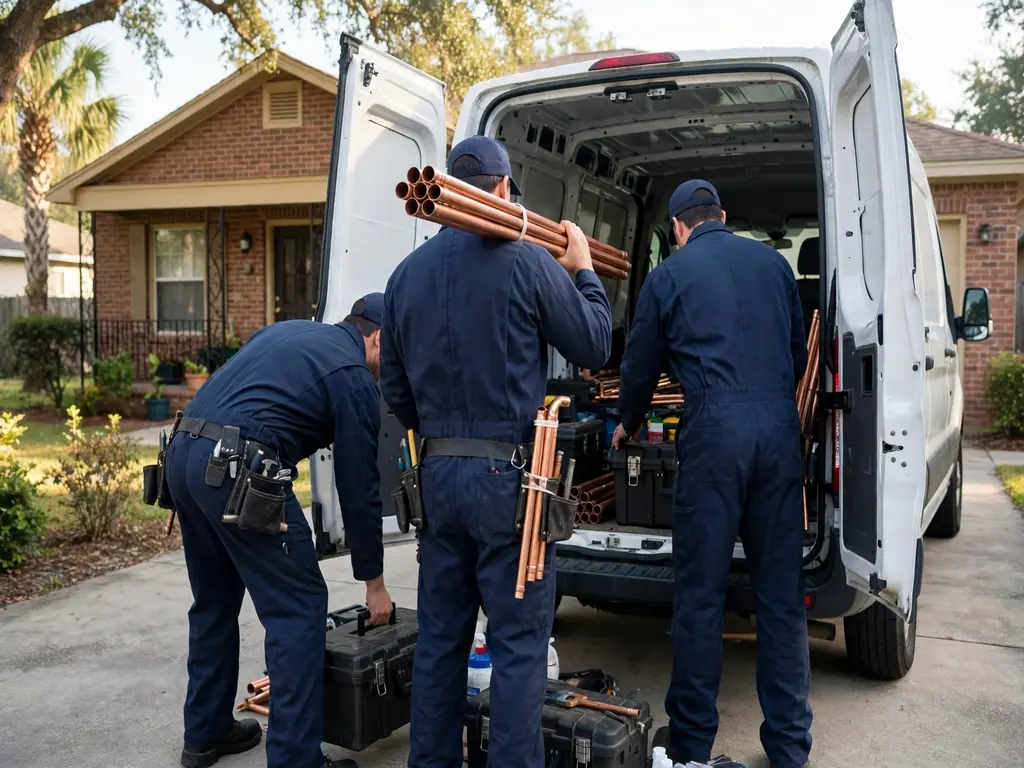
Our repipe price covers the supply side from the meter to the last fixture, plus the parts that usually get skipped. Here is what is in the scope, and what we handle as an add-on if your house needs it.
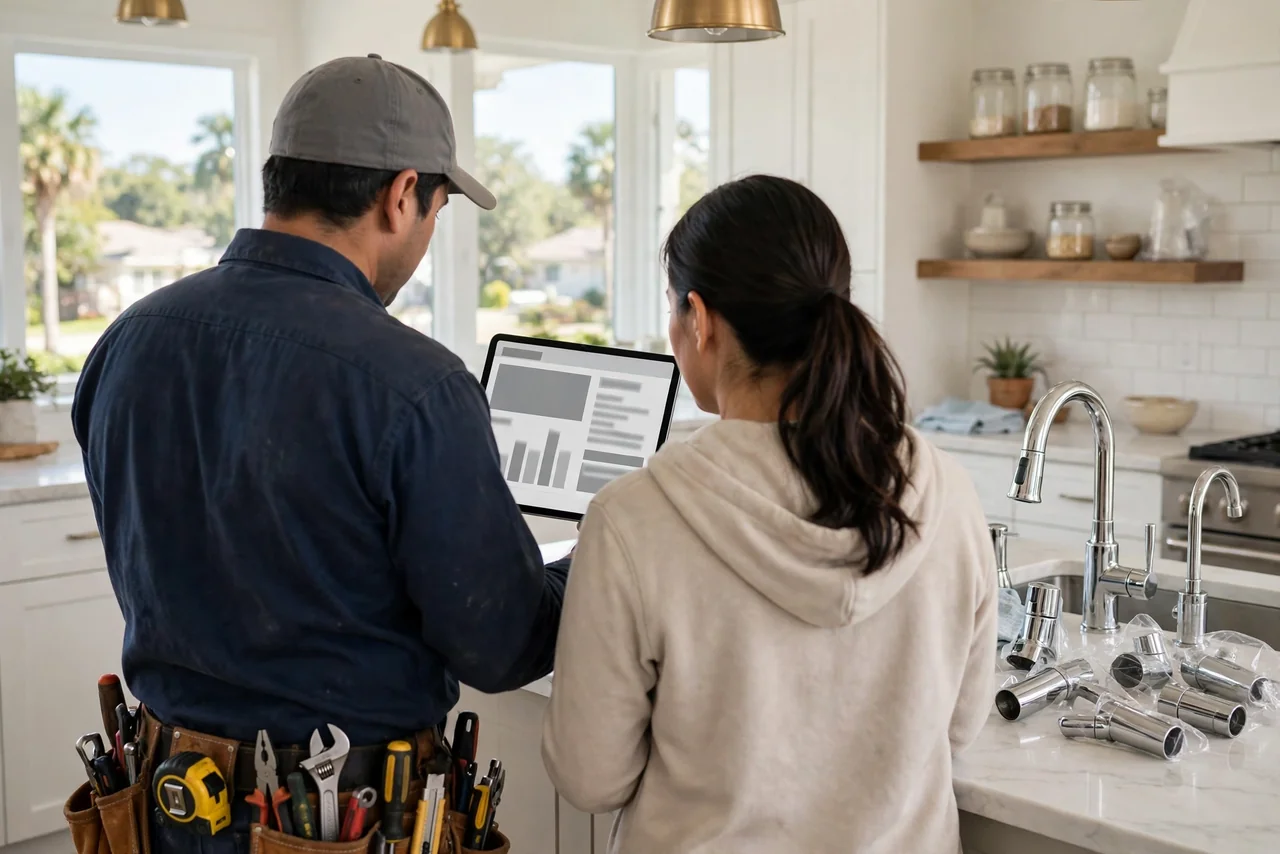
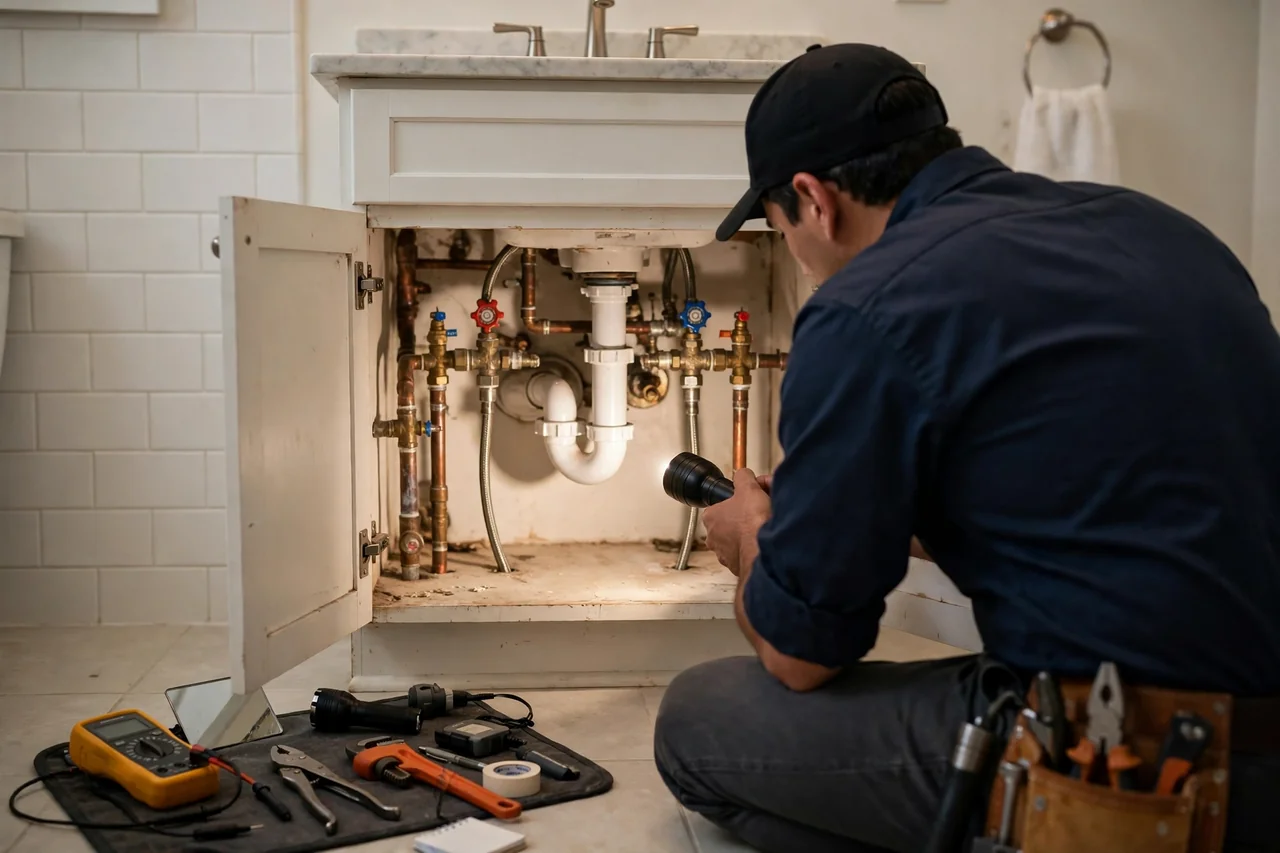
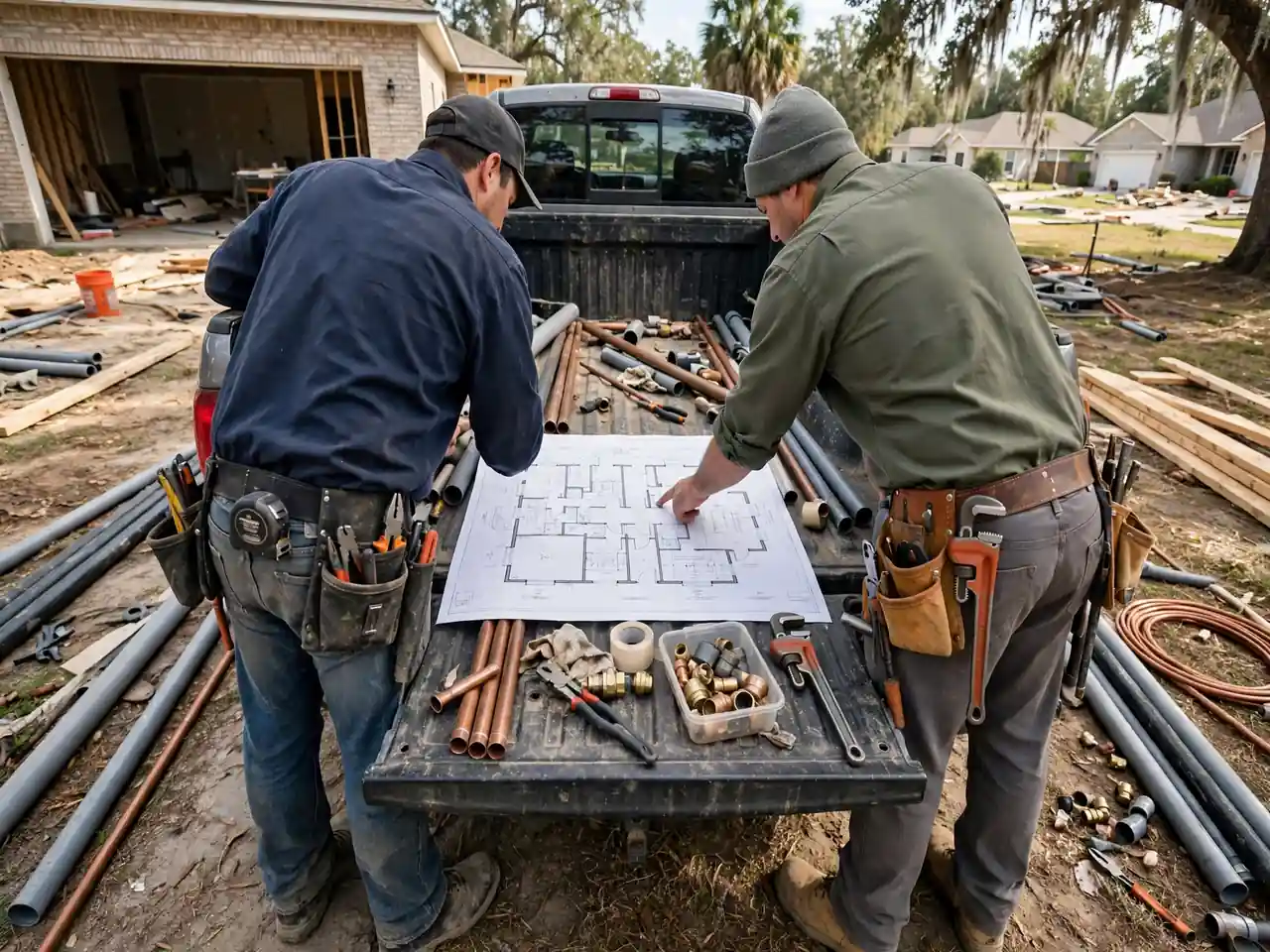
We repipe houses, bungalows, and townhomes across Houston, routing new lines through the attic or walls to limit drywall cuts. You get a fixed price, a schedule, and water on except for the switchover window.
We repipe small commercial properties around business hours so you stay open. Restaurants, salons, and offices get a phased schedule and a line map when the work is done.
Houston's repipe cohort is easy to name. Galvanised steel from before the 1970s rusts from the inside out. Polybutylene from the late 1970s to the mid-1990s is notorious for sudden failures. Copper develops recurring pinhole leaks, and Houston's slab foundations and water chemistry make them surprisingly common. When a house has had several leaks in different places, the system is tired, and another spot repair is money spent twice.
The Houston method is overhead. Because most homes sit on slab-on-grade, the old under-slab lines are abandoned and the new PEX runs through walls and the attic, which also makes future leaks accessible instead of buried. That is why slab-on-grade repipes cost more than pier-and-beam jobs: the lines are rerouted overhead. A whole-house repipe needs a City permit and inspection, and the new attic run needs freeze protection, because attic copper and PEX fittings froze first in Winter Storm Uri.
Abandon the line under the slab. Route overhead, where a leak can be reached.
We plan the route before we open a wall, keep water on as long as possible, and test every line before the drywall goes back. Here is what the week looks like from your side.
We inspect the meter, water heater, and every fixture, then map the existing lines and check pressure with a gauge. You get a written scope and a fixed price on site, usually within two hours of our arrival.
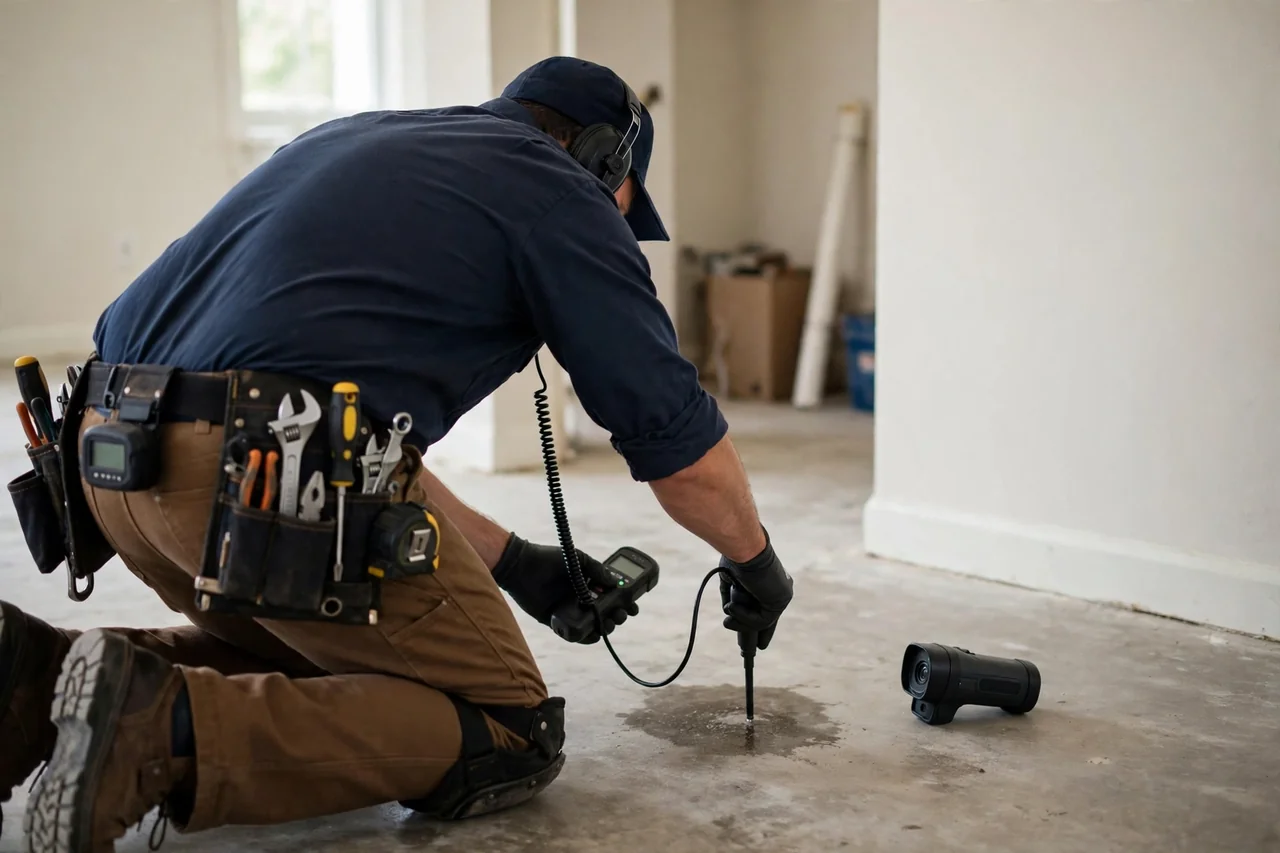
We plan the new runs through the attic or walls to limit drywall cuts, then lay drop cloths and plastic over floors and furniture. Furniture gets moved to the center of each room, and we photograph the walls before cutting.
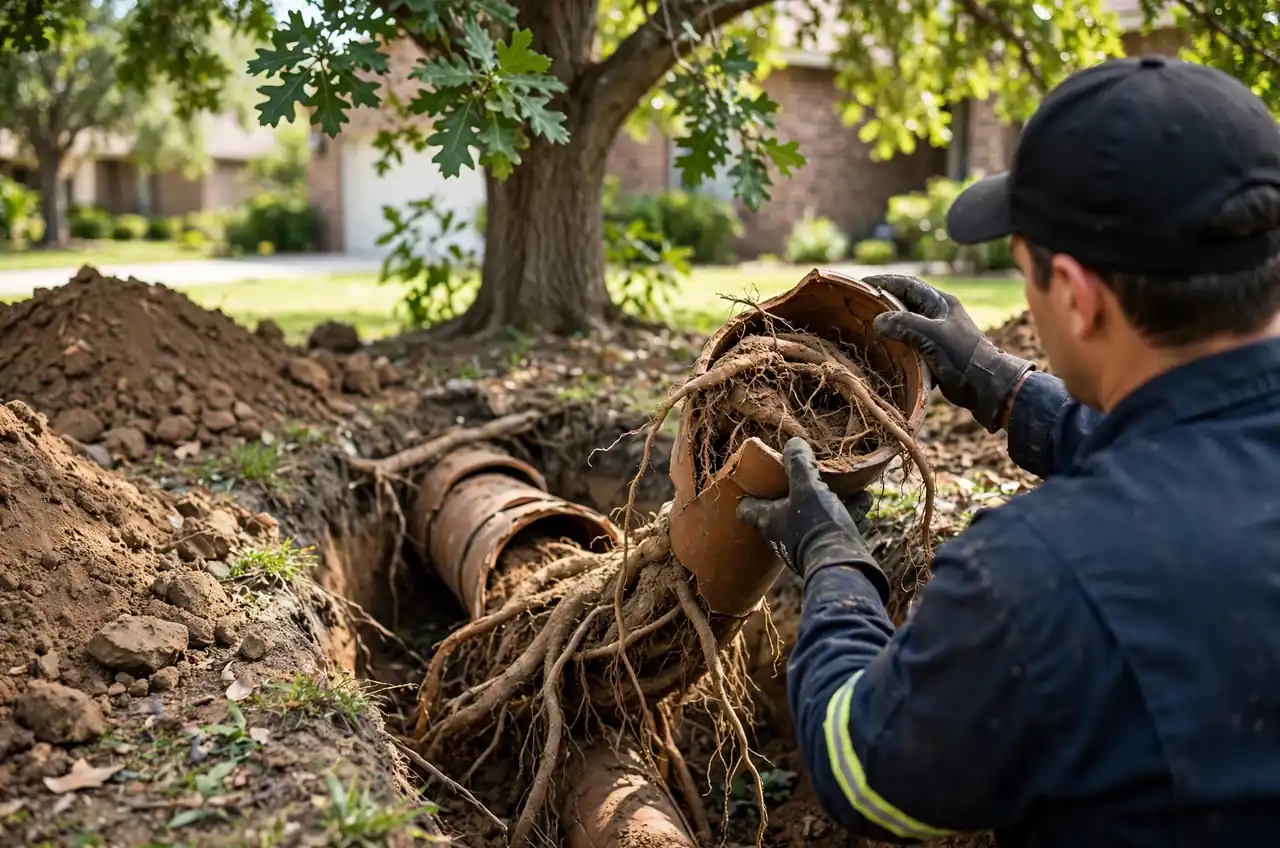
Old galvanized or copper lines come out, and new copper pipe or PEX tubing goes in with brass fittings and new shutoff valves. A press fitting tool and tube cutter keep the joints clean, and we pressure-test at 100 PSI before closing anything up.
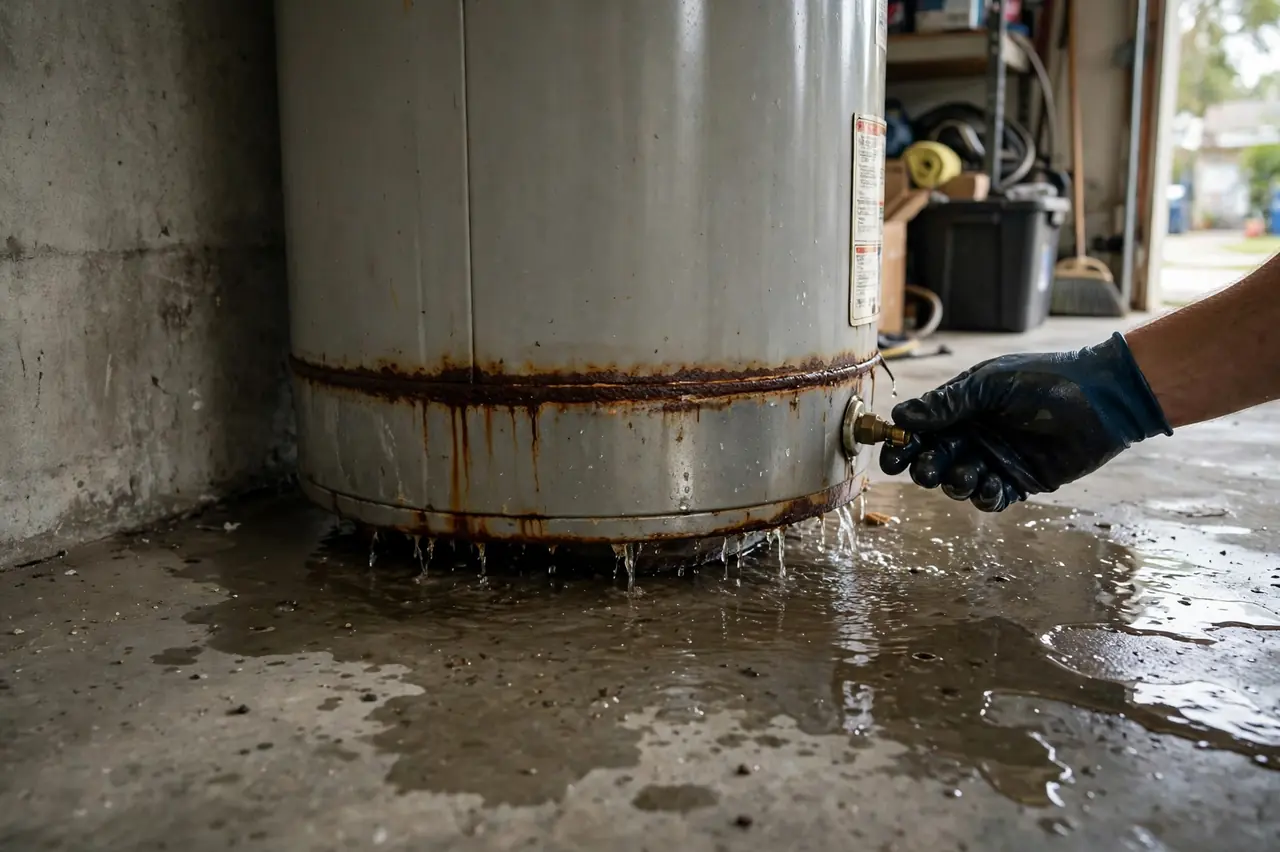
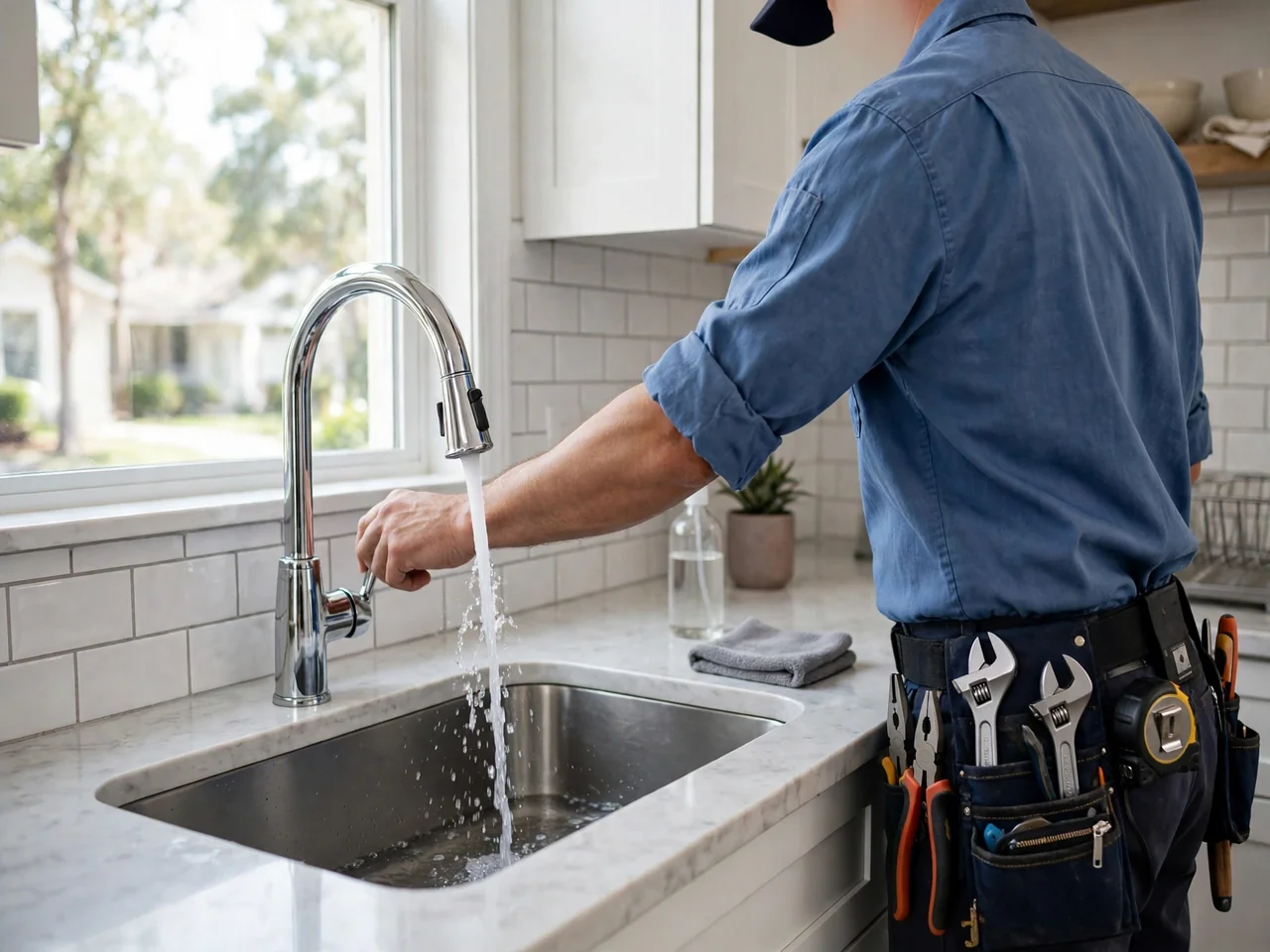
We reconnect every toilet, sink, shower, and water heater supply, replace worn supply lines, and run hot and cold at each fixture. A leak detection microphone confirms no hidden drips before we sign off.
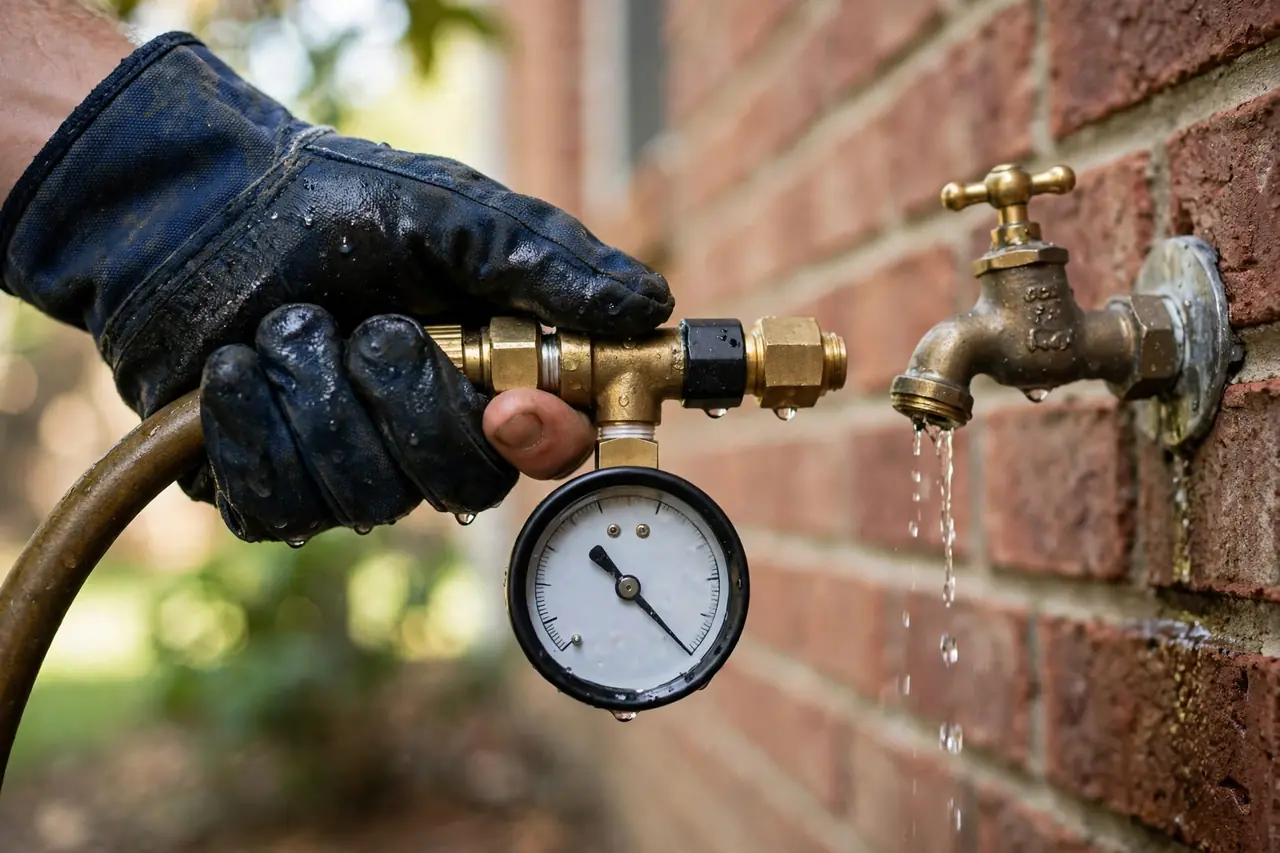
Drywall patching is scheduled, debris hauled off, and we walk the house with you to show every new shutoff valve. You get the pressure reading, the line map, and our number for anything that comes up after.
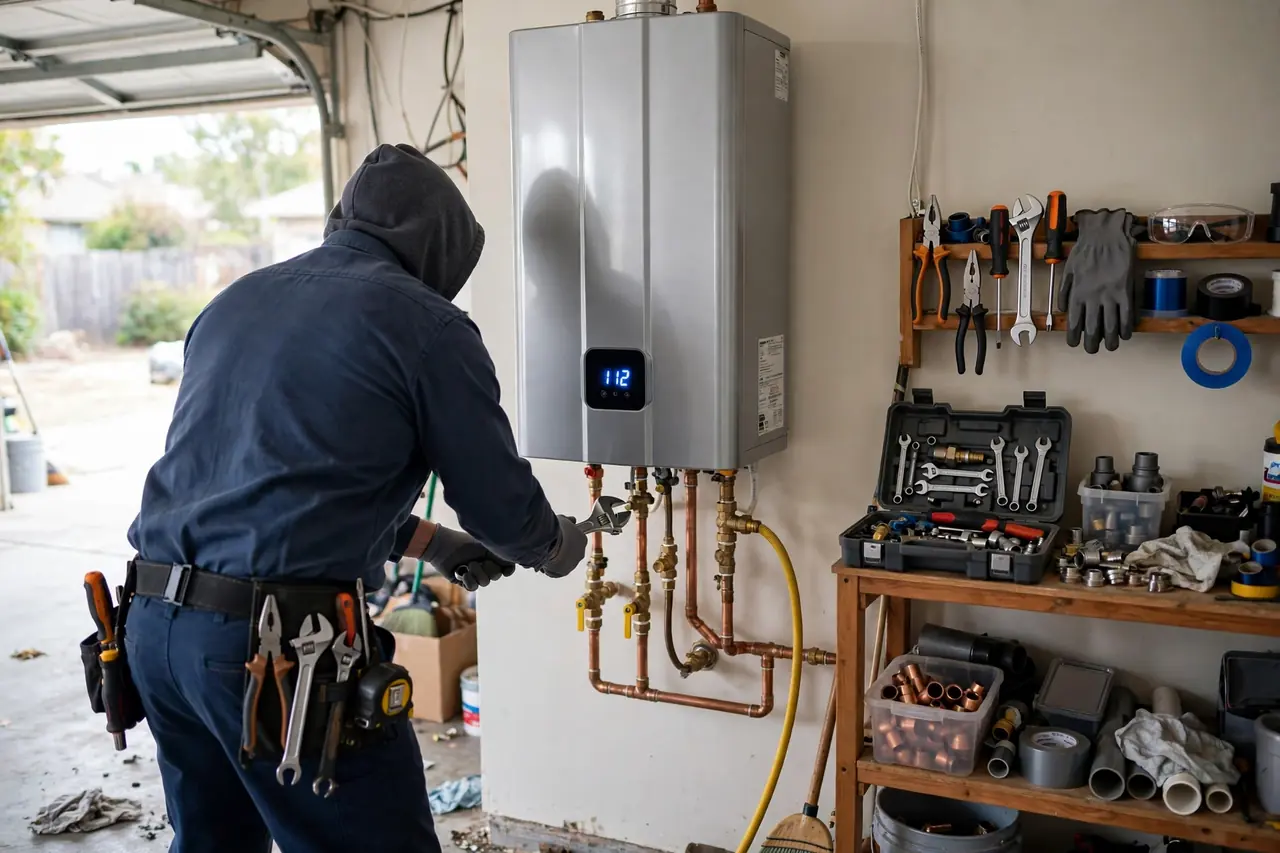
Makes copper and PEX connections without open flame, which is safer in attics and finished walls.

Cuts copper and PEX square so fittings seat properly and joints do not leak.
Finds hidden leaks in walls and slabs before we open anything up.
Inspects the supply route and drain lines when the repipe uncovers a problem.
Holds the new system at 100 PSI to confirm every joint before drywall closes.
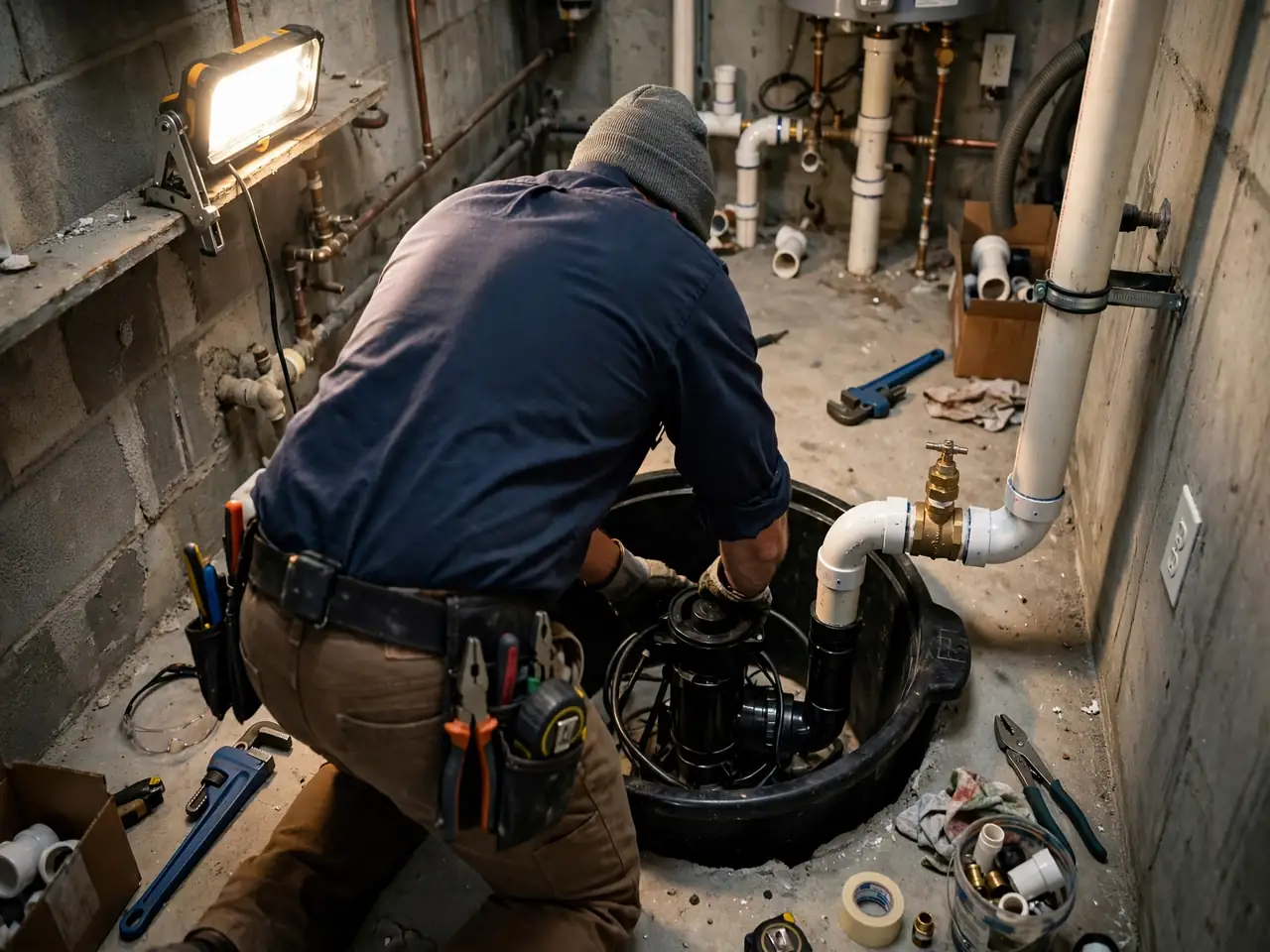
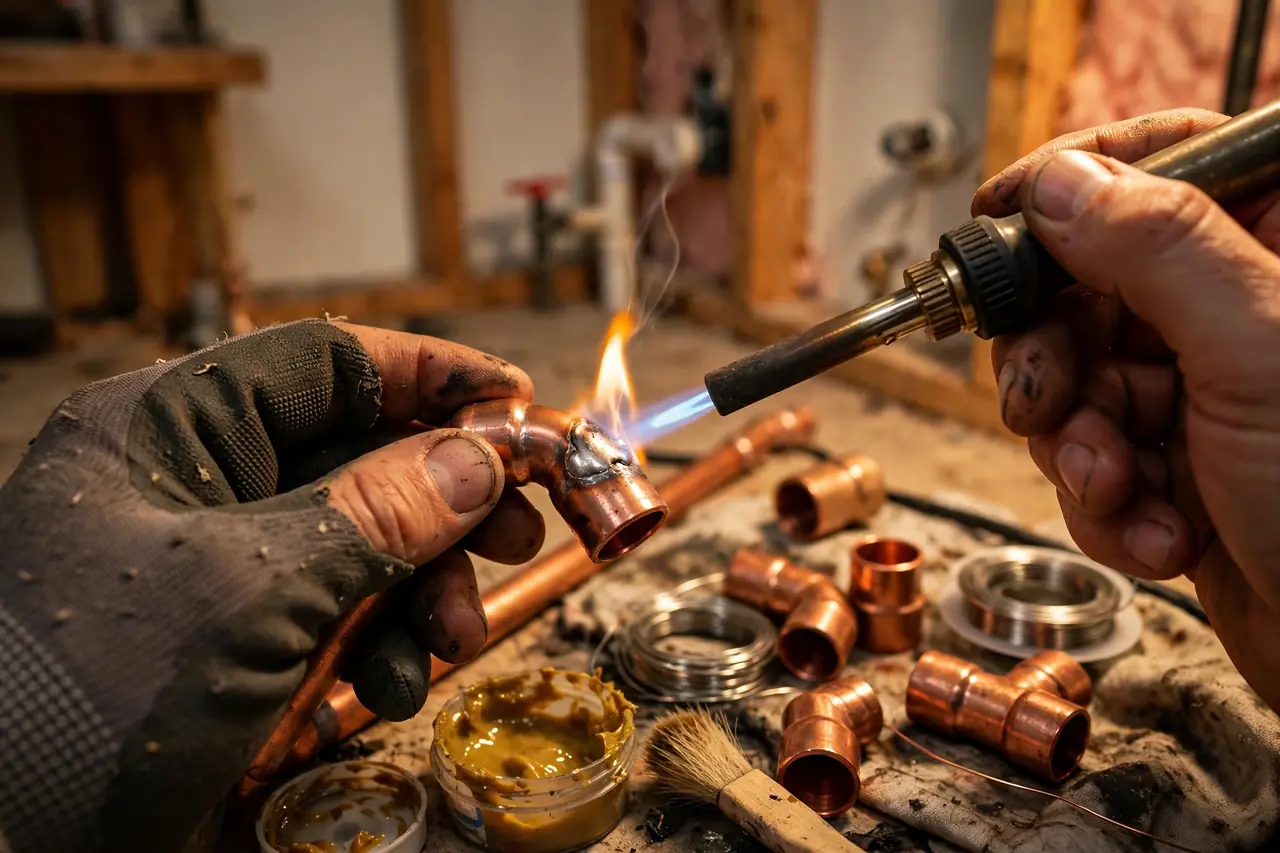
Used on copper joints where soldering is the right method and the area is clear.
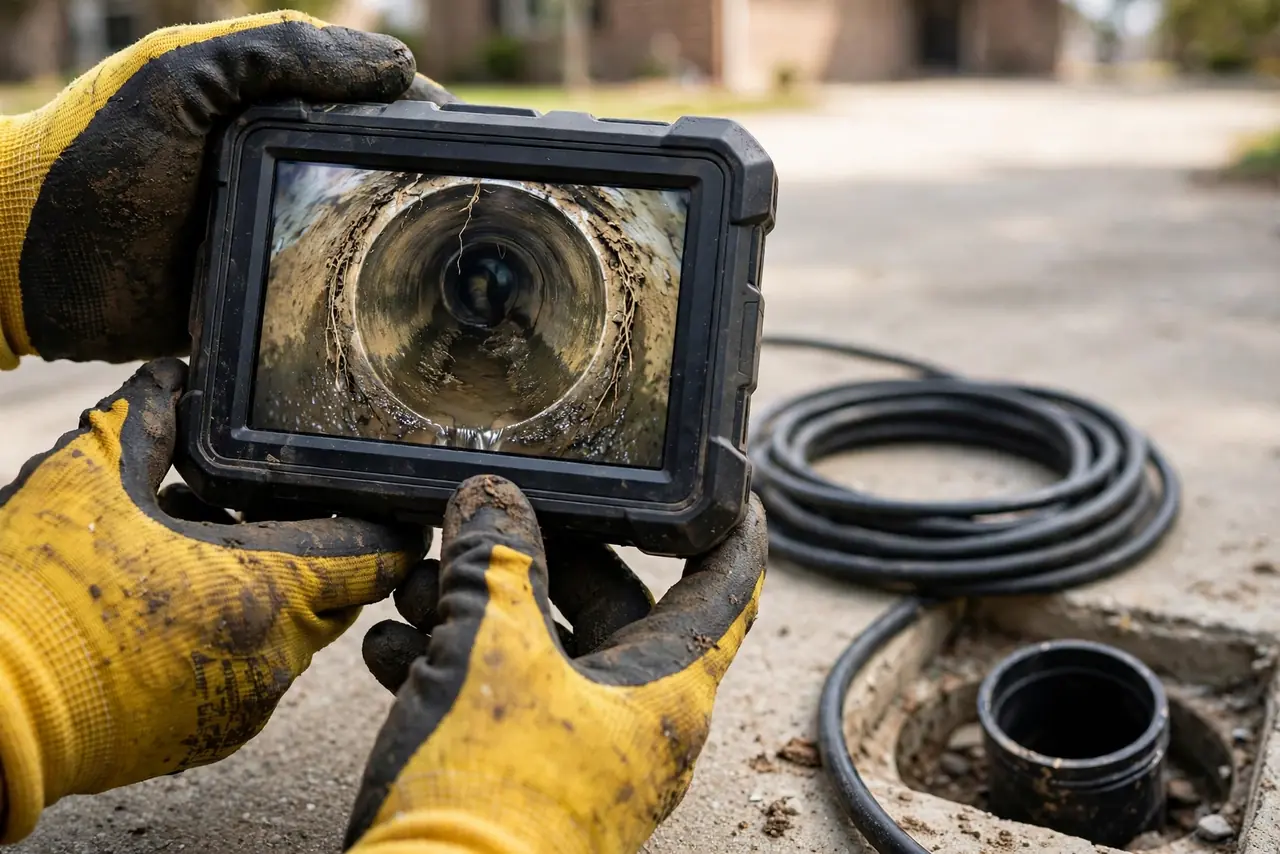
Clears slow drains uncovered during the repipe so the whole system works.
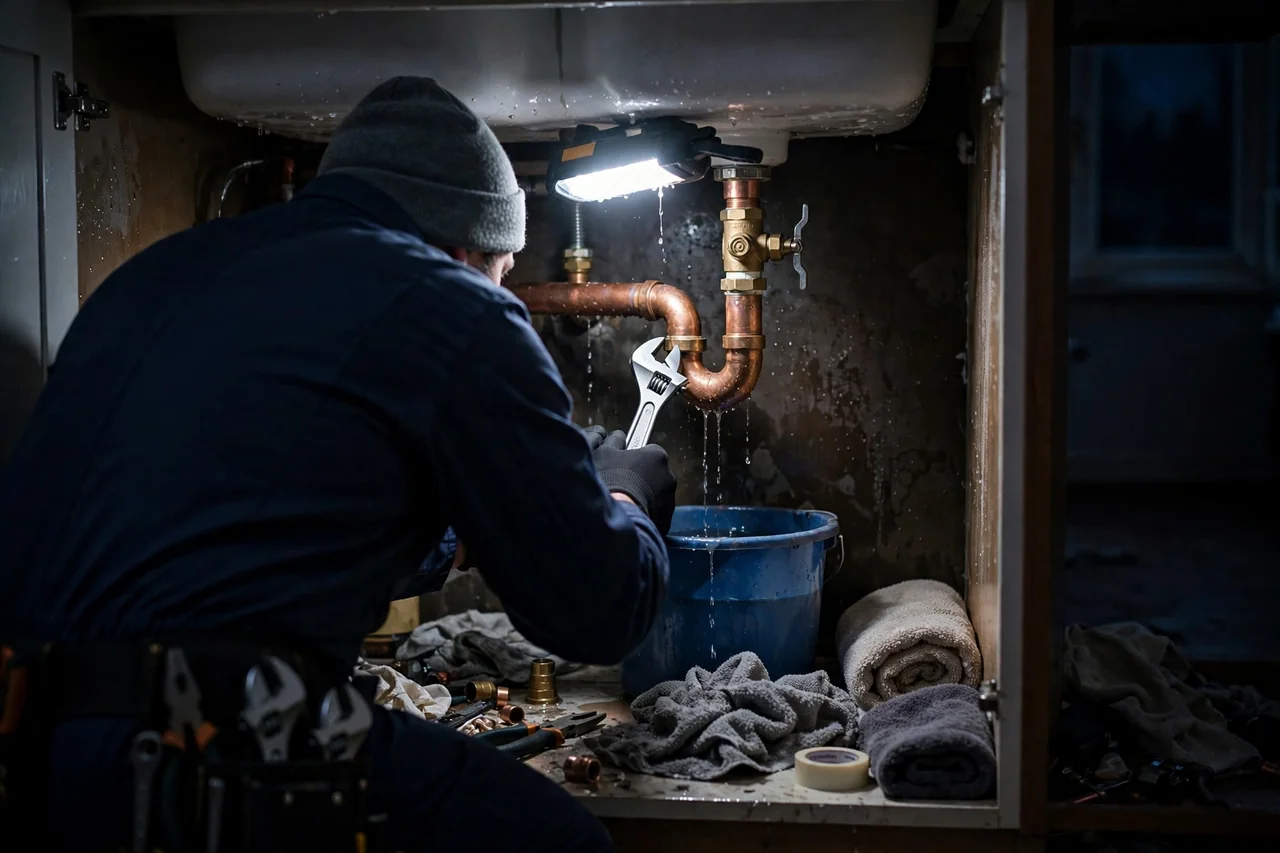
Every repipe is planned and installed to the 2021 UPC with Houston Amendments, including pipe sizing, support spacing, and shutoff placement. That matters at inspection and at resale.
We map the lines, run PEX through the attic to avoid slab work, and replace every fixture connection. The old galvanized comes out in a single day. Pressure restored, no more leak calls, and a line map for the next owner.
We route new copper through the walls with minimal ceiling cuts, pressure-test at 100 PSI, and patch the openings we make. Leaks stop, the ceiling stays intact, and the repipe is documented for resale.
We schedule the repipe during the turnover window, handle copper and PEX on separate units, and provide line maps for each. Units back online in a week with no tenant complaints.
We reroute the affected lines through the attic, isolate the slab section, and pressure-test the new run. The slab stays intact, the water bill drops, and the leak does not come back.
Repiping leads in pier-and-beam homes in the Heights, Montrose and the Third Ward, and in slab homes in Sharpstown and Meyerland where copper under the slab has tired. Newer PEX suburbs rarely need it.
Original galvanized lines had narrowed to half their diameter. Pressure at the kitchen tap was a trickle, water ran brown after vacations, and the homeowner had patched three leaks in two years.
New PEX tubing ran through the attic and under the pier-and-beam floor. Pressure measured 62 PSI at the hose bib, water ran clear, and the repipe was completed in three days with water off for one afternoon.
Keep the pressure regulator under 80 PSI and flush the lines once a year to keep sediment moving.
A slab leak kept returning in the same area of a 1960s ranch. The homeowner had paid for two spot repairs and was facing a third round of floor demolition.
We rerouted the affected lines through the attic, isolated the slab section, and pressure-tested at 100 PSI. The water bill dropped the next month and no further slab work was needed.
Watch the water bill for spikes and have the lines pressure-tested every few years.
Pinhole leaks in the upstairs copper had stained the ceiling below twice. The homeowner wanted the lines replaced without tearing up the finished rooms.
New copper ran through interior walls with small, patched openings. Pressure tested at 100 PSI, leaks stopped, and the ceiling stayed intact. The repipe took four days.
Keep an eye on pressure and have the attic runs checked after any roof work.
Most repipe calls start with a problem the homeowner has been managing for months. These are the ones we see most in Houston.
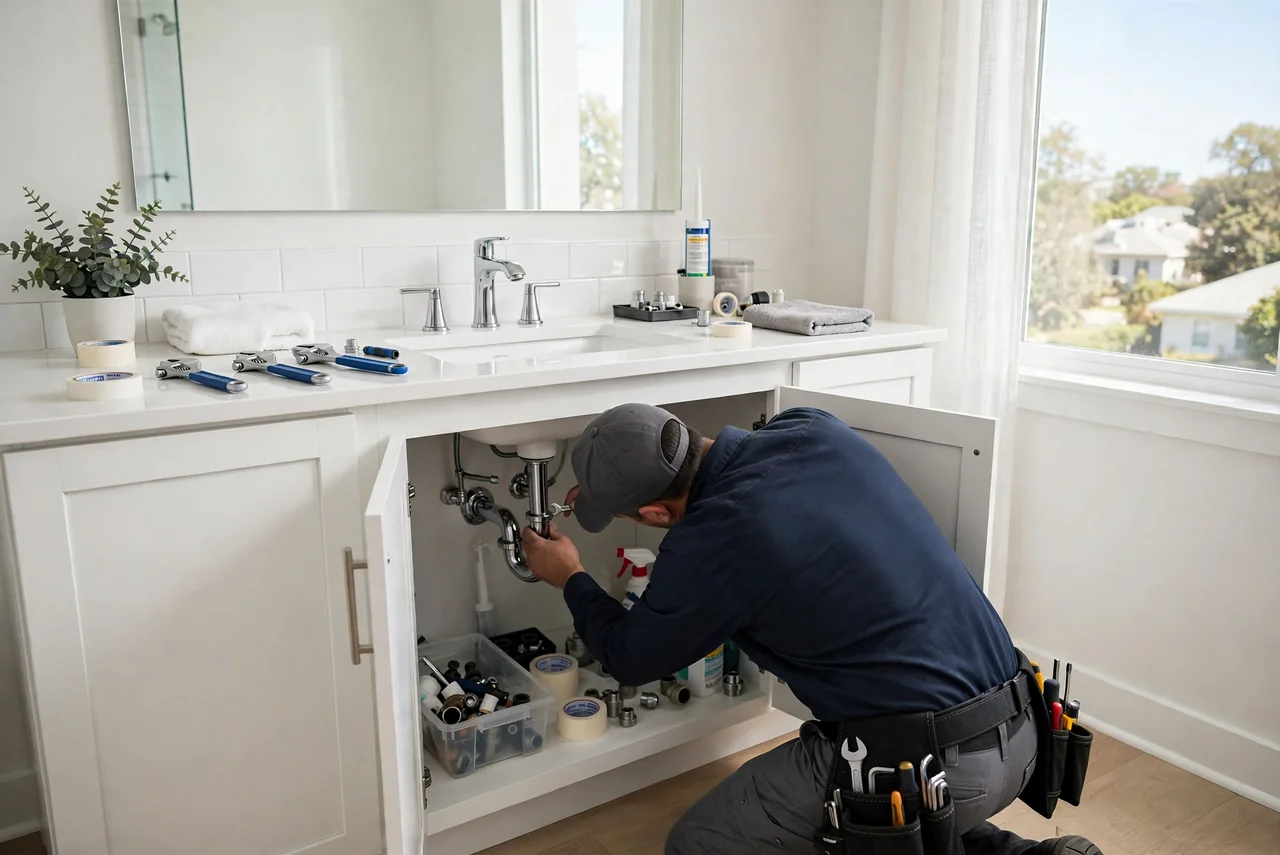
We replace the full run instead of patching the same pipe twice. New copper or PEX removes the thin, corroded sections that keep failing, and a pressure test confirms the rest of the system is sound. Each leak repair costs money and damages drywall, and the next pinhole is usually a few feet away. Left alone, a pinhole can turn into a burst pipe behind a wall.
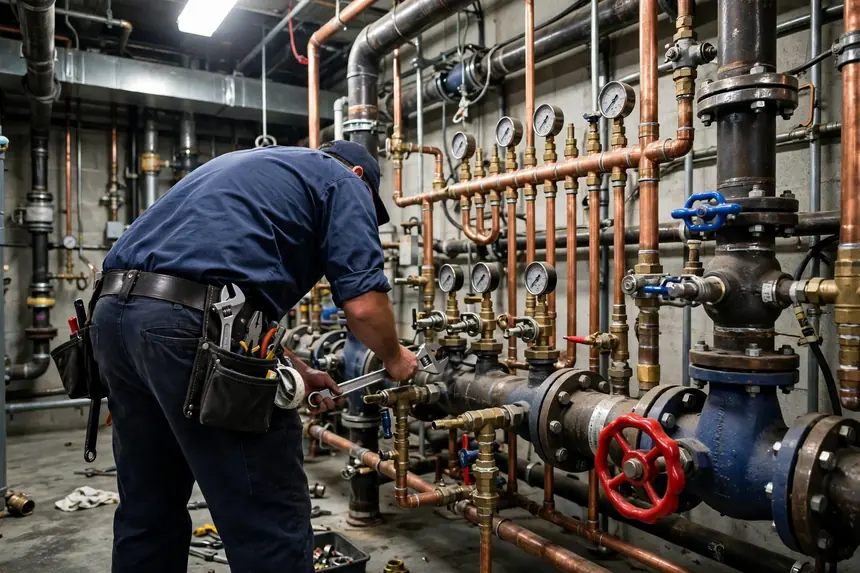
A whole house repiping Houston TX project pulls the old galvanized out and runs new lines sized for modern fixtures. Most customers see pressure climb back to 55 to 70 PSI at the hose bib. Galvanized steel rusts from the inside, narrowing the pipe and staining water. Pressure drops until showers and appliances stop working properly.
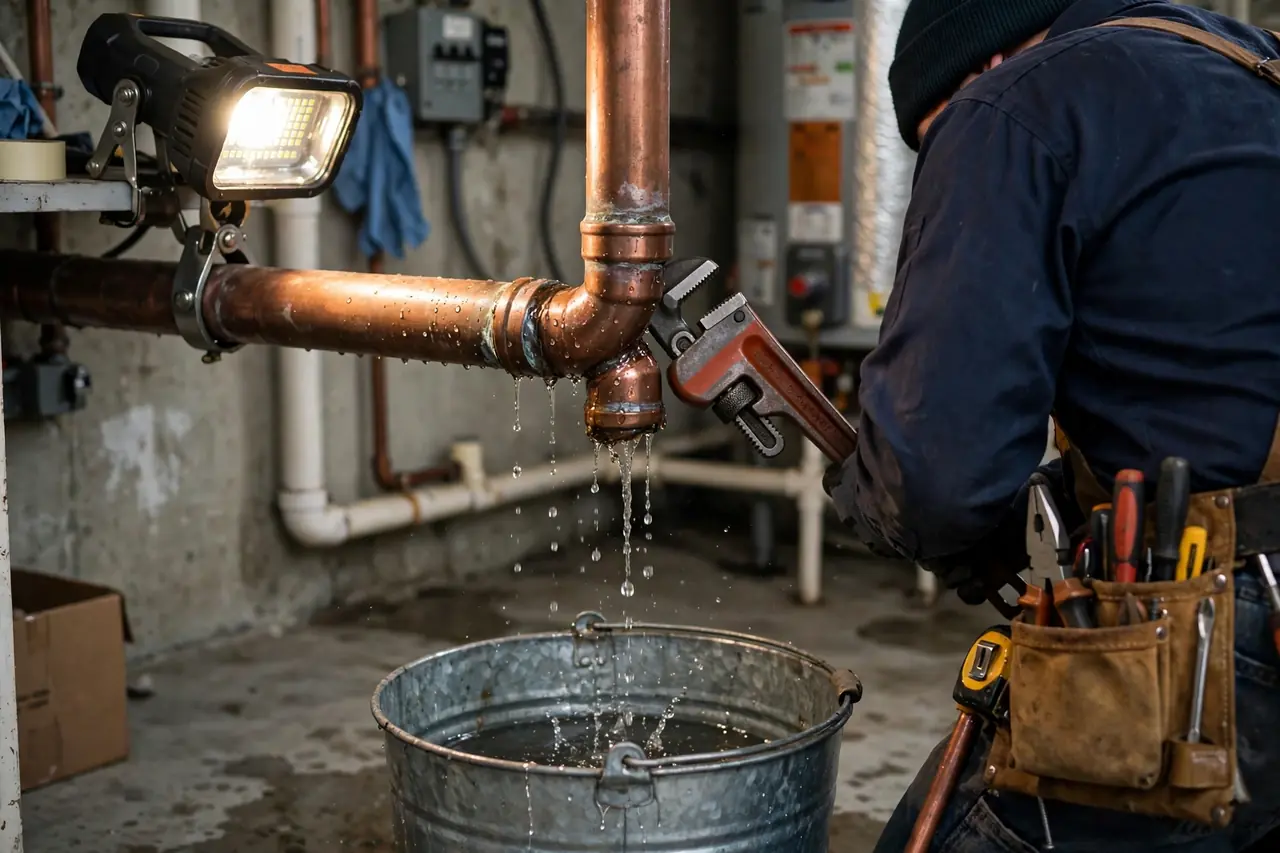
We locate the leak with a detection microphone, then reroute the line through the attic or walls where possible. That fixes the leak and makes future repairs accessible. A slab leak wastes water, can shift the foundation, and often goes unnoticed until the bill spikes. Breaking up more slab to fix it gets expensive fast.
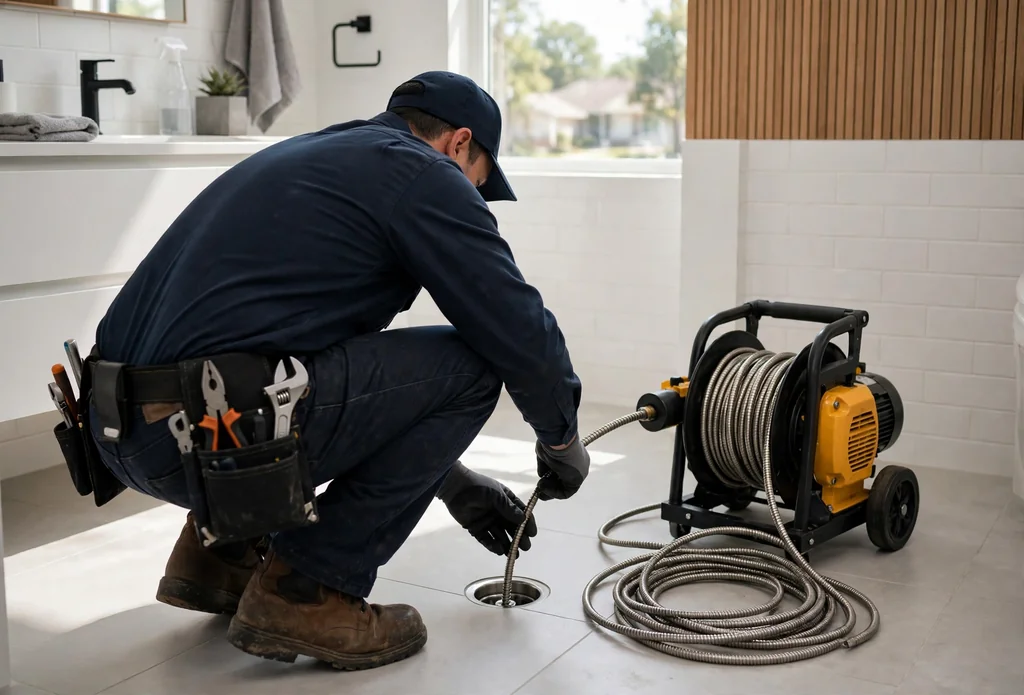
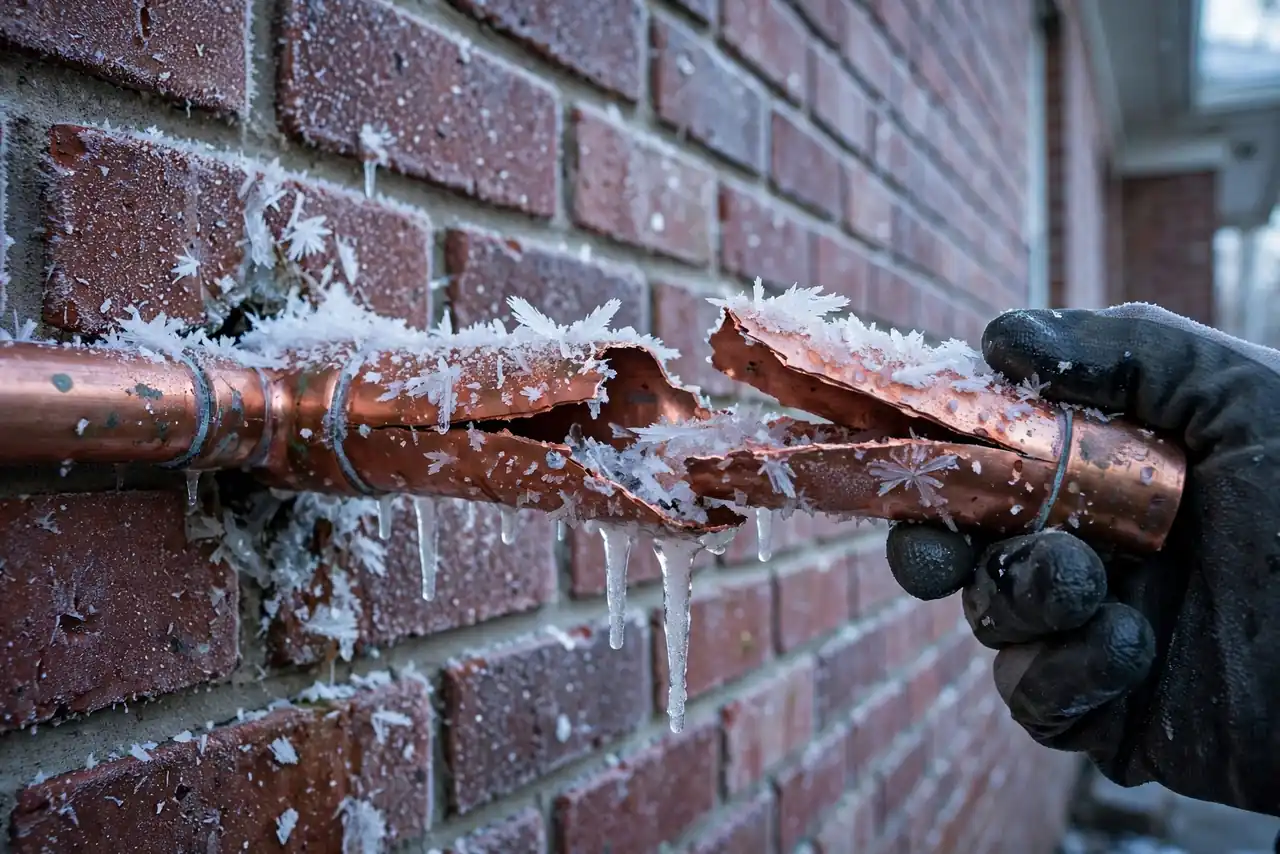
New PEX tubing handles freeze cycles better than old copper, and we insulate exposed runs. We also label the main shutoff so you can stop the water fast if it happens again. Houston freezes are rare but brutal on exposed attic and exterior lines. A burst pipe can flood a room before you find the shutoff.
Patching one pinhole on 40-year-old copper just moves the problem three feet down the line. Replacing the full run removes the thin, corroded sections altogether, which is why repiping Houston Texas often beats a third emergency leak repair in the same year.
Galvanized pipe rusts from the inside out, and a half-inch line can close down to a quarter inch over time. After a home repiping Houston project, most customers measure 55 to 70 PSI at the hose bib, up from 30 or 40, and the second shower finally runs hot.
Brown water at the faucet after a weekend away is a sign the pipe interior is breaking down. New PEX tubing or copper pipe carries clean water with no rust, and you stop buying filters to hide the color.
A slab leak under a Houston foundation can run for weeks before you notice the water bill. Replacing the lines above the slab or rerouting through the attic takes that risk off the table and keeps your foundation dry.
Clear records you can keep and share.
Fixed price and line-by-line plan
100 PSI reading before walls close
Shows every new run and shutoff
A repipe replaces the whole supply system, not just the leaking section. Knowing the difference between a patch and a repipe helps you decide what your house actually needs.
A patch fixes one leak. A repipe replaces every failing run. If you have had three leaks in two years, the pipe is telling you something.
Copper lasts decades and handles heat well. PEX costs less and flexes through attic runs. Both meet code in Houston.
Most repipes keep water on except for a four to six hour switchover. We tell you the night before so you can plan.
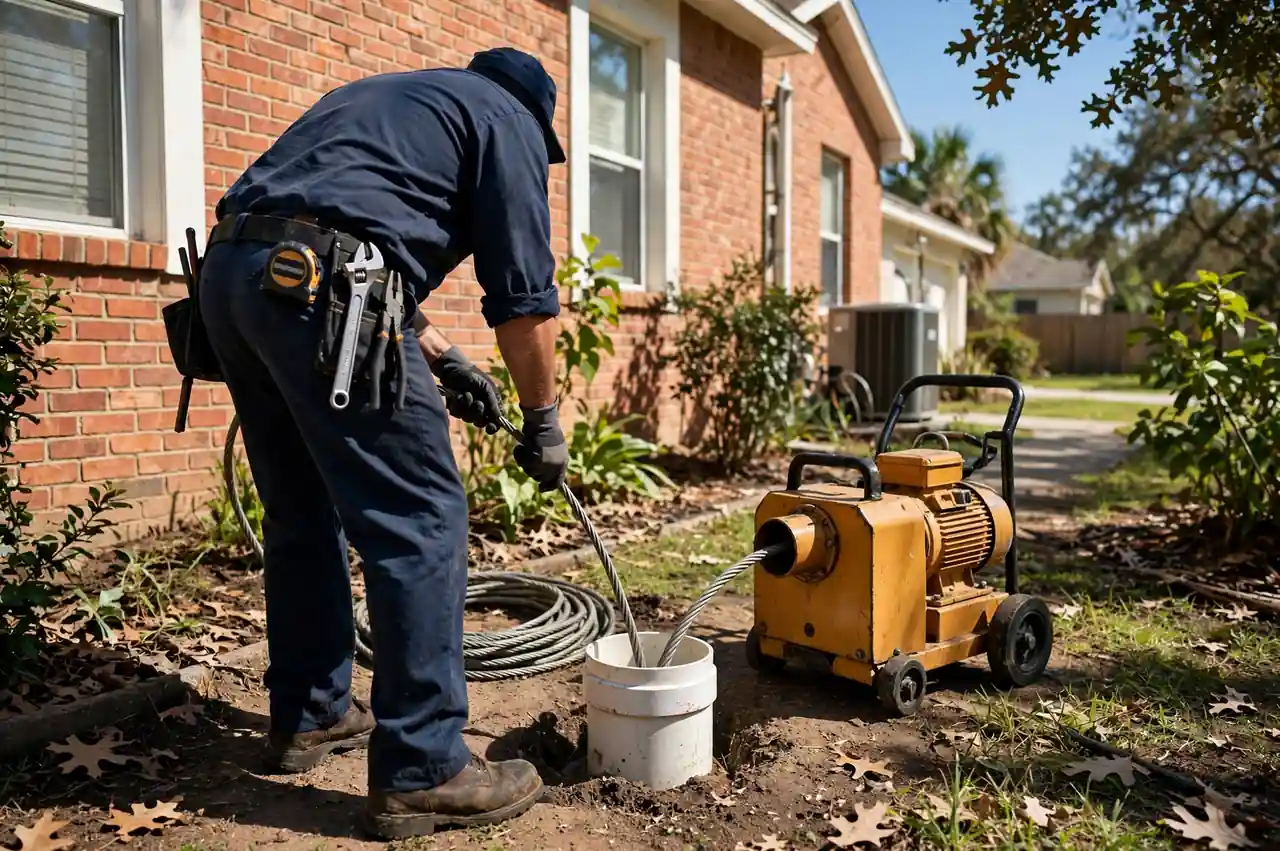
Outside these areas? Call and ask if we can reach you. (346) 776-8560
When leaks keep appearing in different places, water runs rusty or pressure drops from galvanised pipe, or you have polybutylene from the late 1970s to mid-1990s. One leak is a repair; a pattern of leaks is a repipe.
PEX is the common choice for whole-house repiping because it routes overhead, abandons the under-slab line, and resists the pinhole leaks that plague copper here. Copper remains right for some jobs. We explain both before you decide.
It depends on the size of the house, the number of fixtures and the access. We give you a written scope and schedule before we start, and we do not promise a timeline we cannot keep.
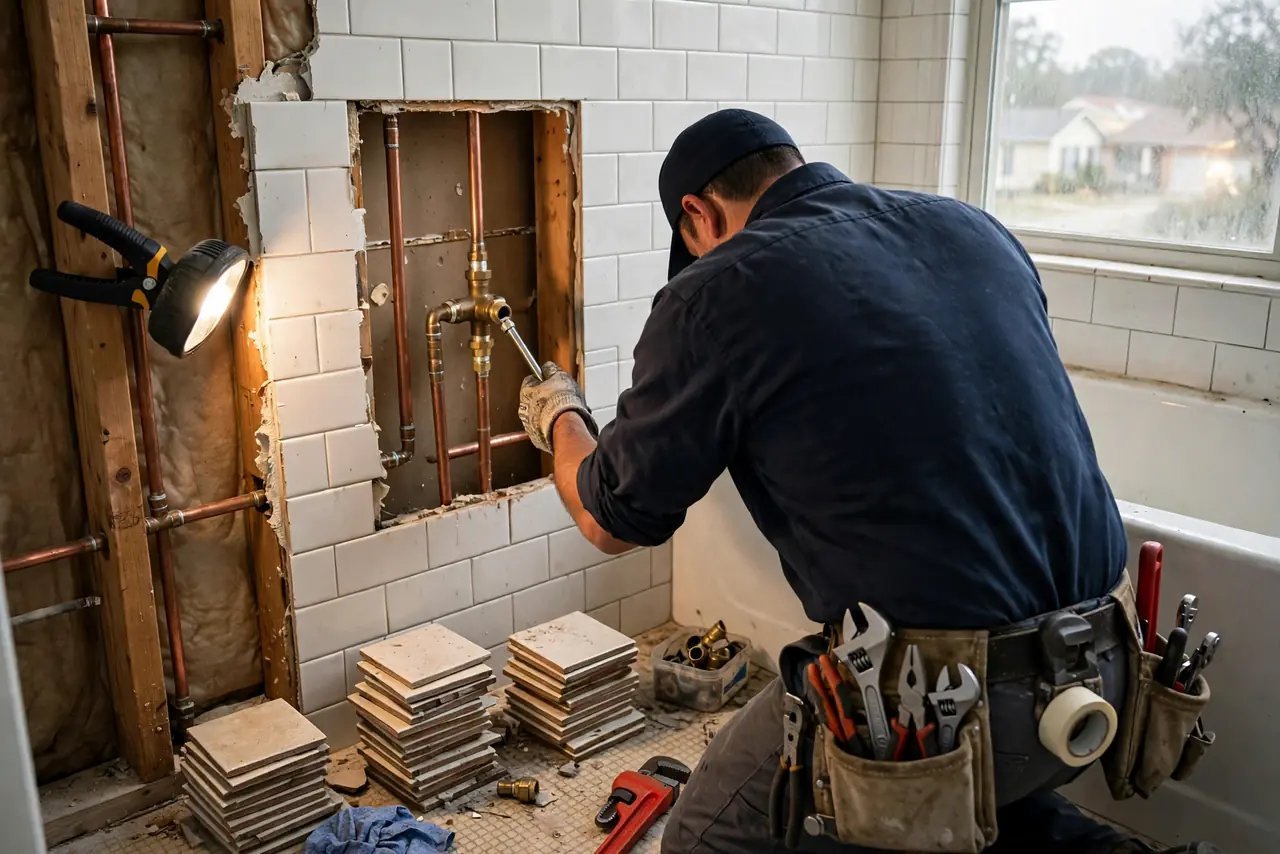
A repipe opens walls to run new lines, and patching is part of the job. The overhead route through walls and attic is what keeps the work accessible and the old under-slab lines abandoned.
Yes. A whole-house repipe needs a City permit and inspection under the 2021 Uniform Plumbing Code with Houston Amendments.
Call (346) 776-8560 for a free estimate on a whole-house repipe. We walk the house, explain the overhead route, and give you a written scope, Monday to Sunday, 7:00 AM to 10:00 PM.
Call us at (346) 776-8560 to discuss repiping or ask a question. We are open Monday to Sunday, 7:00 AM to 10:00 PM, and estimates are free.
The fastest way to book is a phone call. Tell us what is happening and we will give you a free estimate and a time that works, Monday to Sunday, 7:00 AM to 10:00 PM.
Open Mon–Sun, 7:00 AM–10:00 PM. Free estimates.