Water test results
Hardness, iron, and chlorine numbers at your tap
Water softener installation in Houston is the work of sizing a whole-home softener to the household and the water supply, so scale stops damaging heaters, cartridges and fixtures. Houston water is hard, and scale is the slow damage behind failed heaters, worn cartridges and spotted fixtures. El Primo Lalo Plumbing installs whole-home water softeners and filtration in Houston, sized to the household and the water supply, with a free estimate first.
Every install includes the water test, system sizing, bypass loop, drain routing, programming, and a walkthrough. The unit itself is quoted separately based on the size and type you choose. Here's what's in the standard scope.
We install softeners in houses, townhomes, and condos across Houston. We test your water, size the unit to your household, and set it up so you can service it without shutting off the house.
Restaurants, laundromats, salons, and small hotels run softeners to protect equipment. We size commercial units to the fixture load and plumb them to code.
Houston's City water averages about 8 grains per gallon, with a range up to about 13, and the supply also carries chloramine. That hardness is what scales tank and tankless heaters, shortens appliance life, and wears cartridges, fill valves and fixtures. A softener removes the hardness; filtration addresses taste, odour and particulates. They are different jobs, and we explain which one your water needs before you buy either.
Sizing matters. A softener has to match the household size and the water hardness, and the drain and power connections have to be right. Water from a municipal utility district can be harder than City water, so the hardness figure has to come from your provider's own water quality report, not a neighbour's number. We never publish a hardness figure for a specific area without that provider's report.
Soften the hardness. Filter the taste. Do not confuse the two.
A standard residential install takes two to four hours once we're on site. Here is the exact sequence, from the first water test to the walkthrough where we show you how to program and maintain the unit.
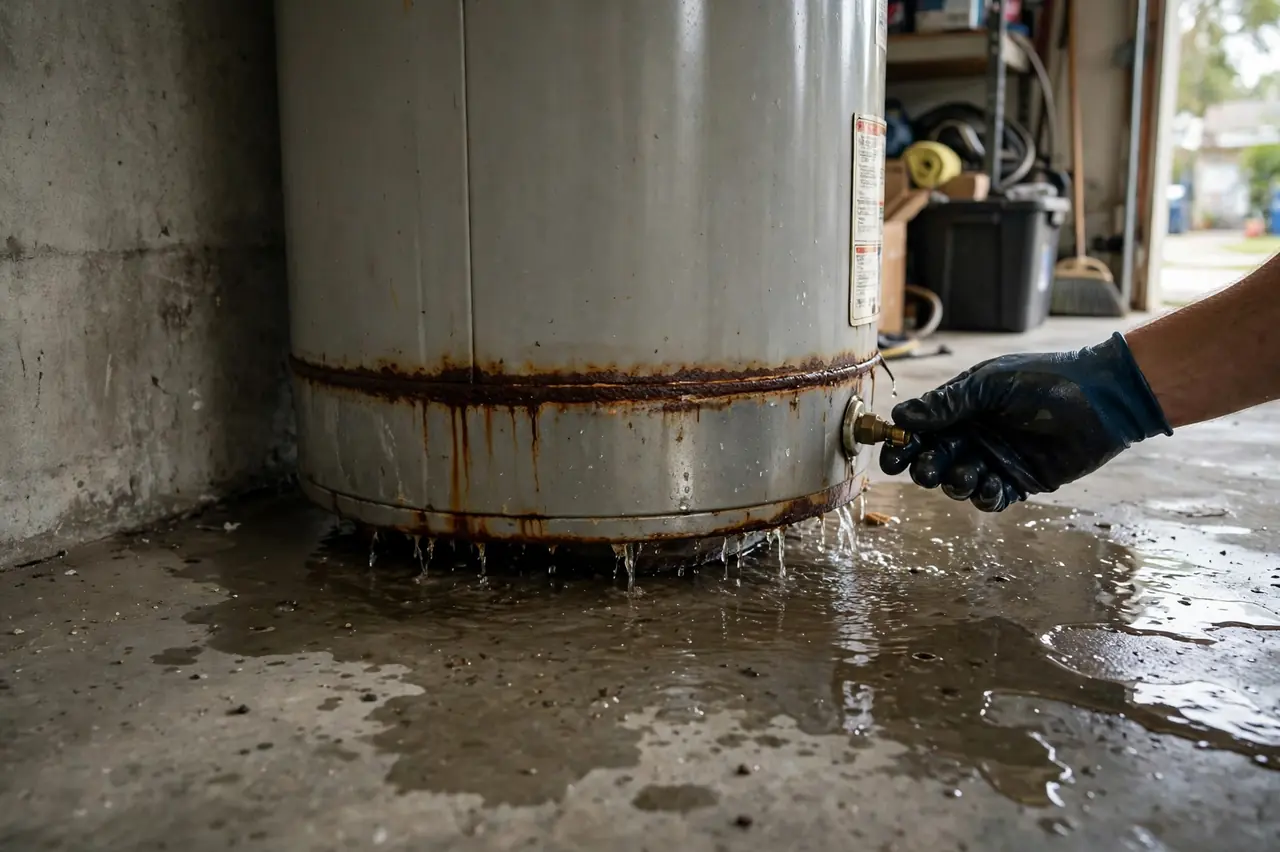
We test hardness, iron, and chlorine at the tap before quoting anything. Iron above 1 ppm or chlorine in a municipal supply changes which system you need. This step takes about 15 minutes and tells us exactly what to size.
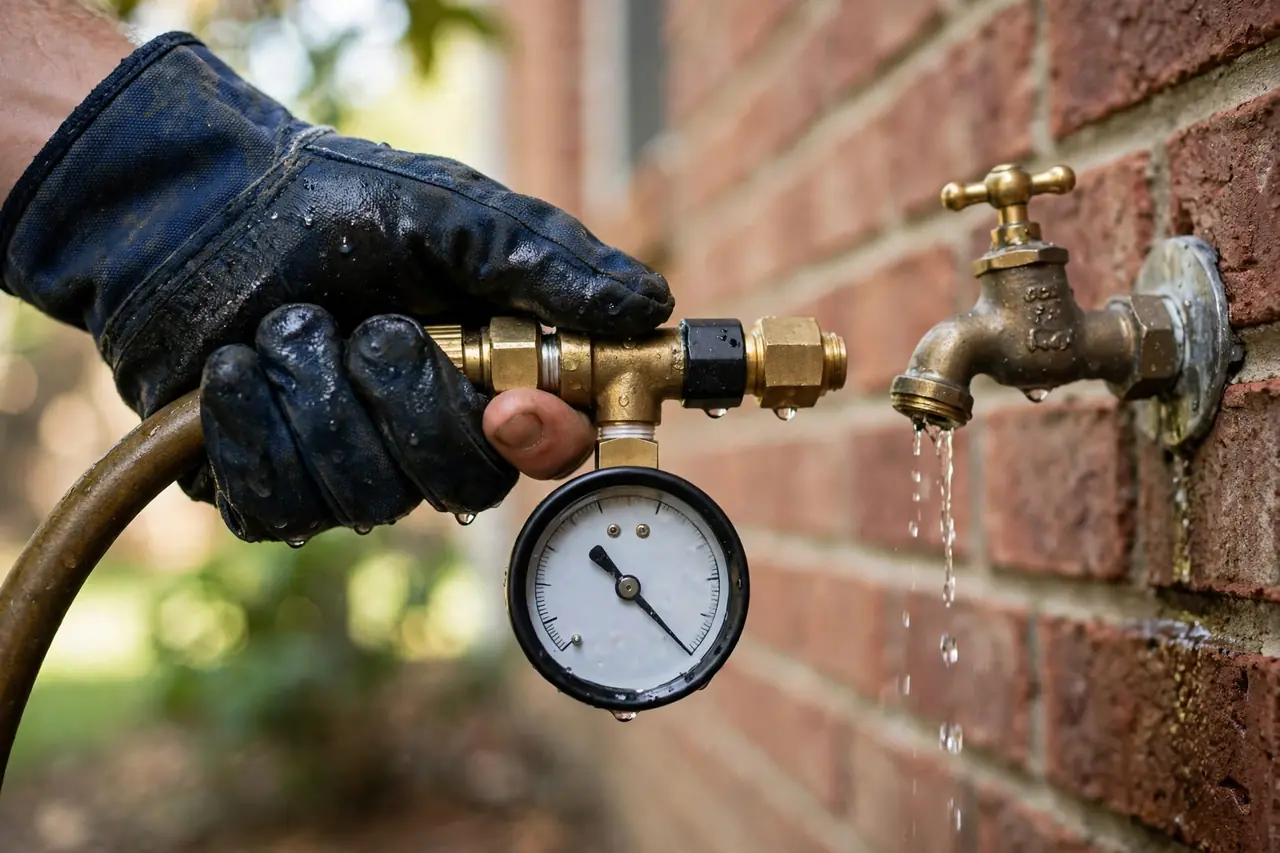
We match grain capacity to your household size and measured hardness. A family of four at 12 grains per gallon needs a different unit than a couple in a condo. We explain the math so you understand what you're buying and why.
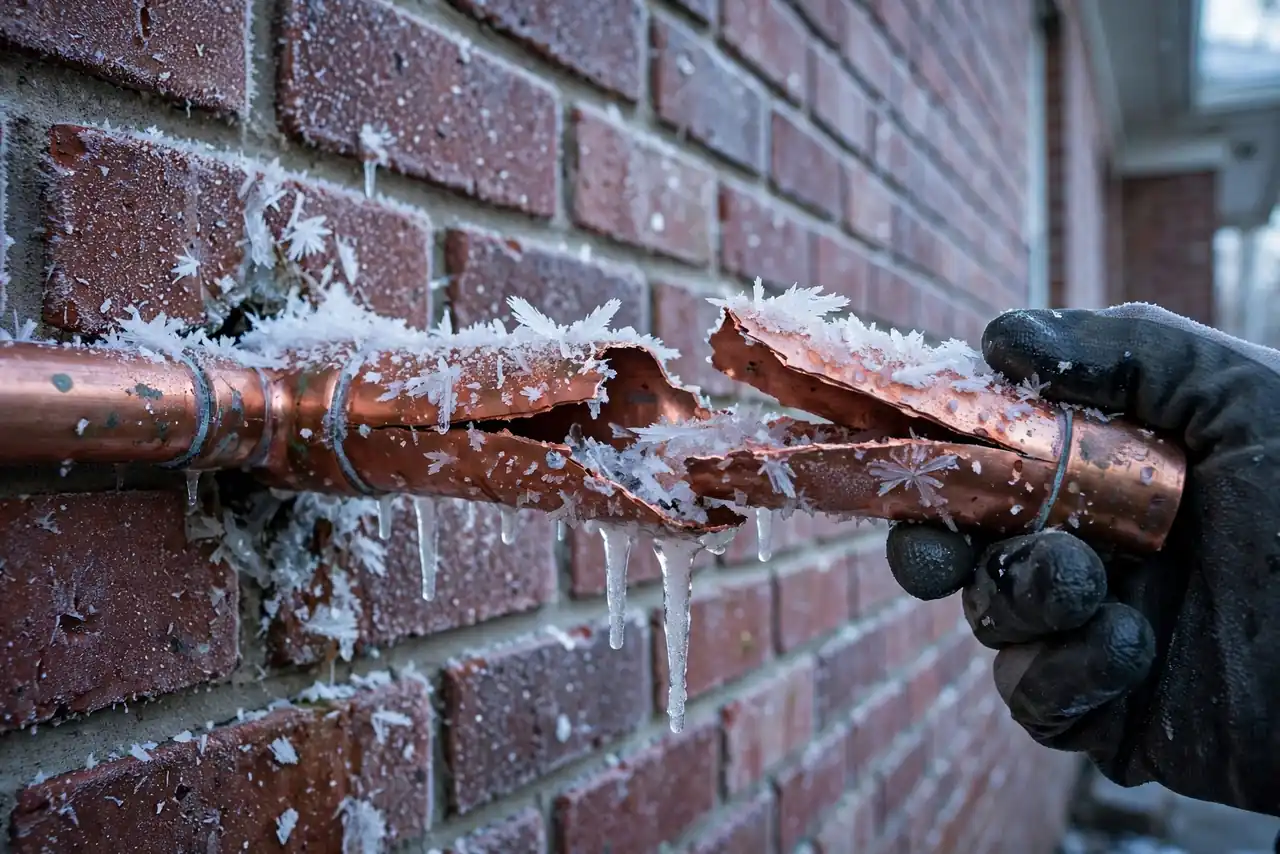
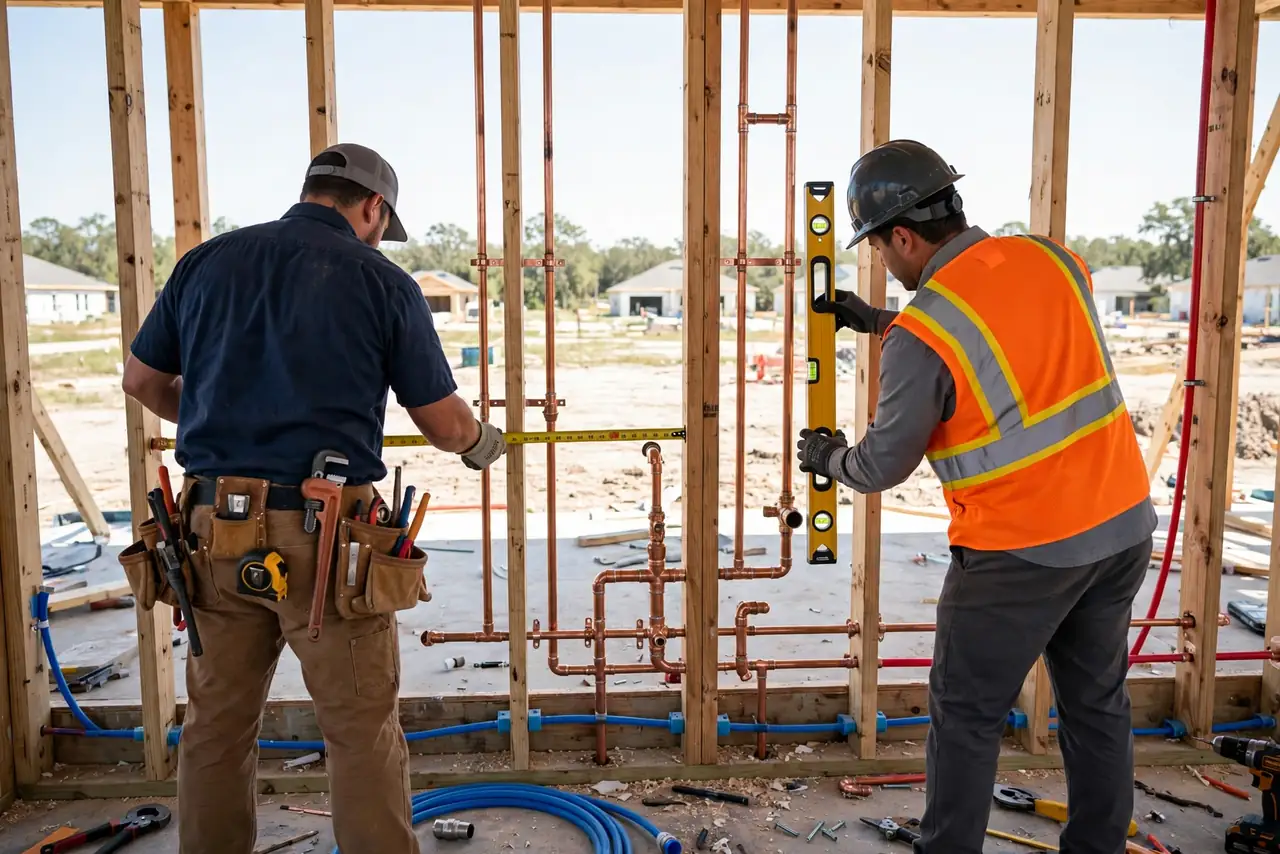
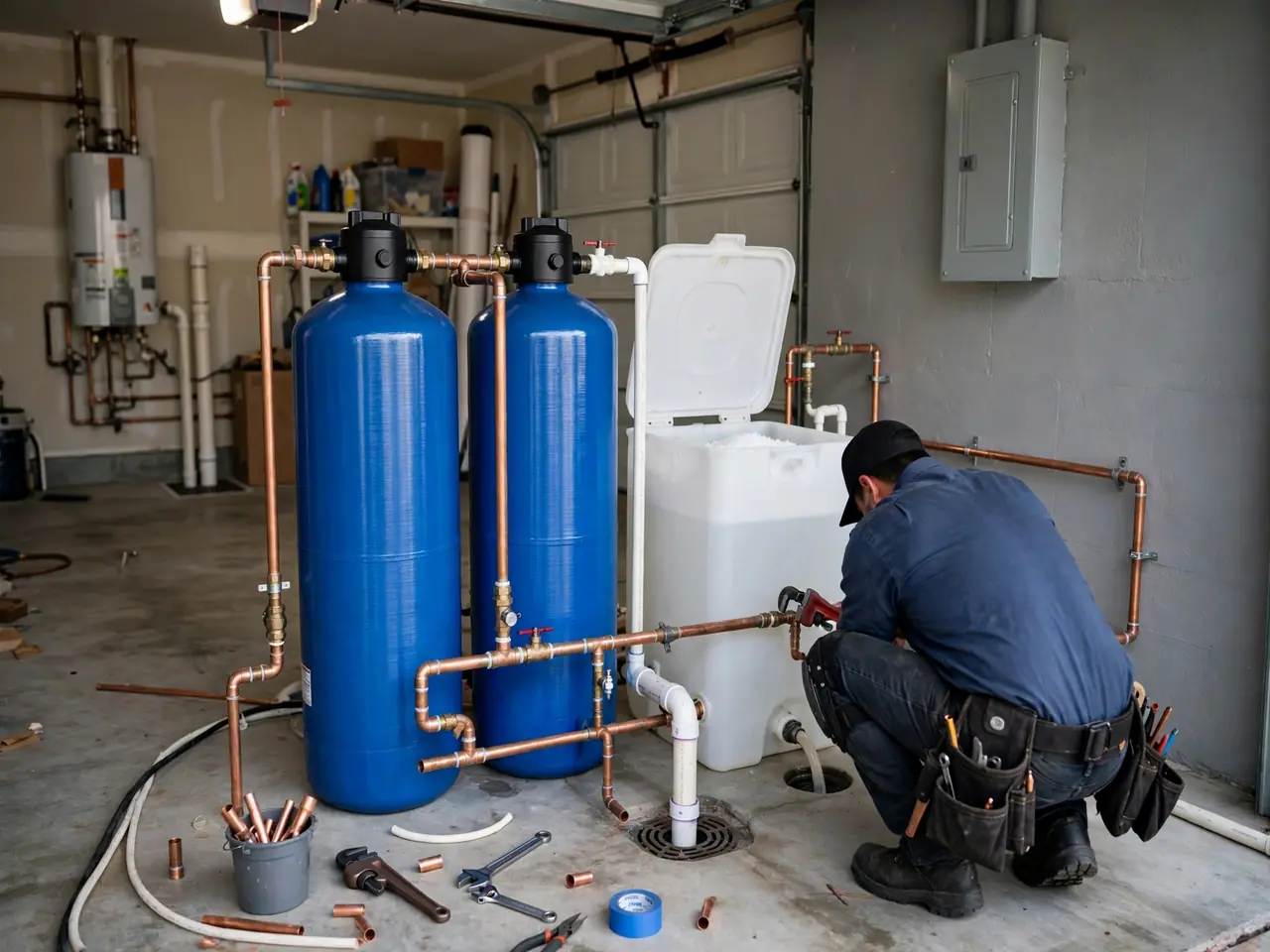
We set the tanks on a level pad near a drain and a power source, usually in the garage or a utility closet. We install a bypass loop with brass fittings and shutoff valves so you can isolate the system later for service without killing water to the whole house.

We tie into the main line with copper pipe or PEX tubing, run the brine tank overflow and regeneration drain to code, and check every connection for leaks under pressure. The drain line has to discharge legally, and we route it that way.
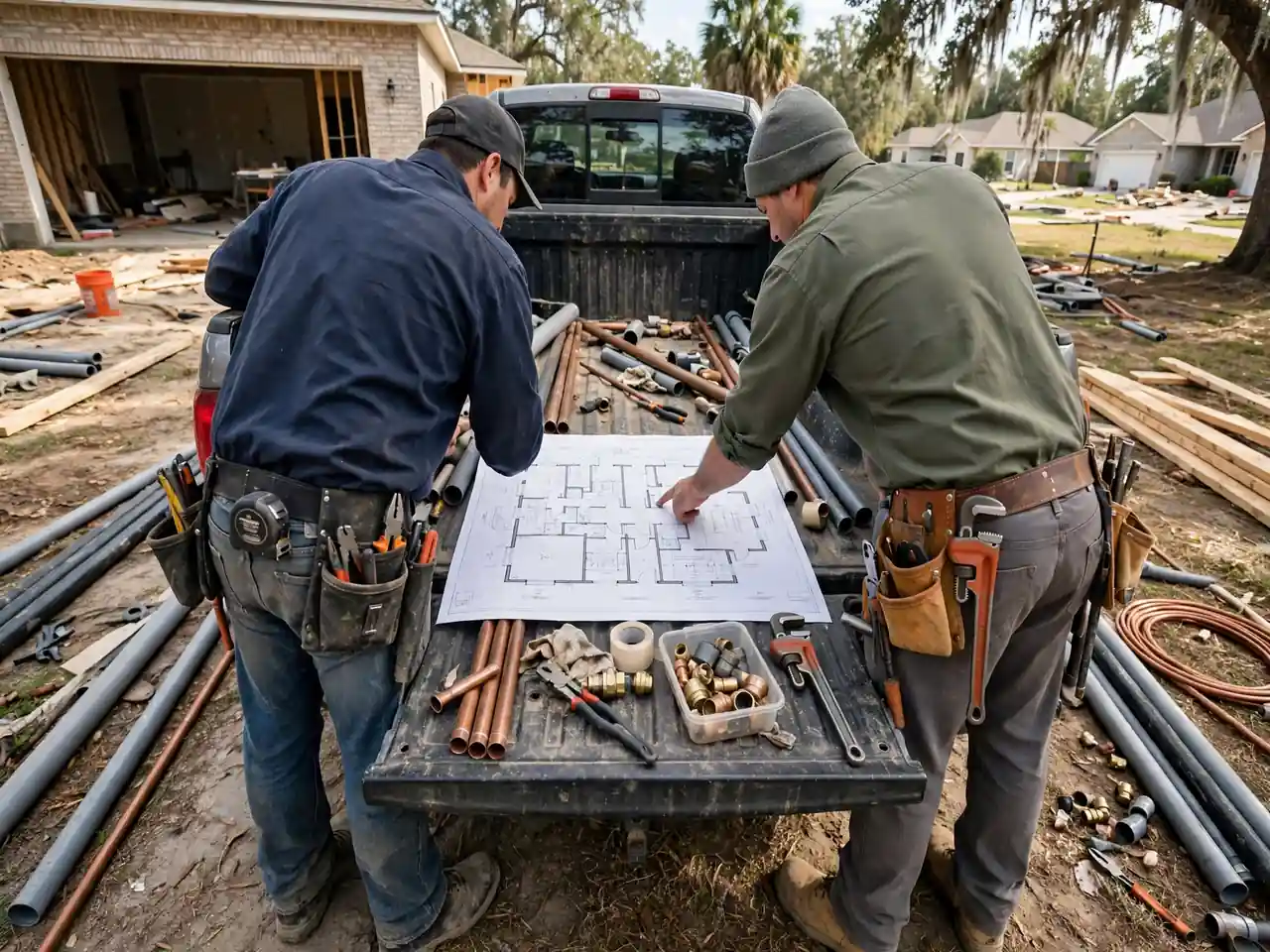
We set the control valve to your hardness, run a manual regeneration, and test the treated water with a hardness kit before we pack up. Then we walk you through salt fill, regeneration schedule, and what to check monthly.
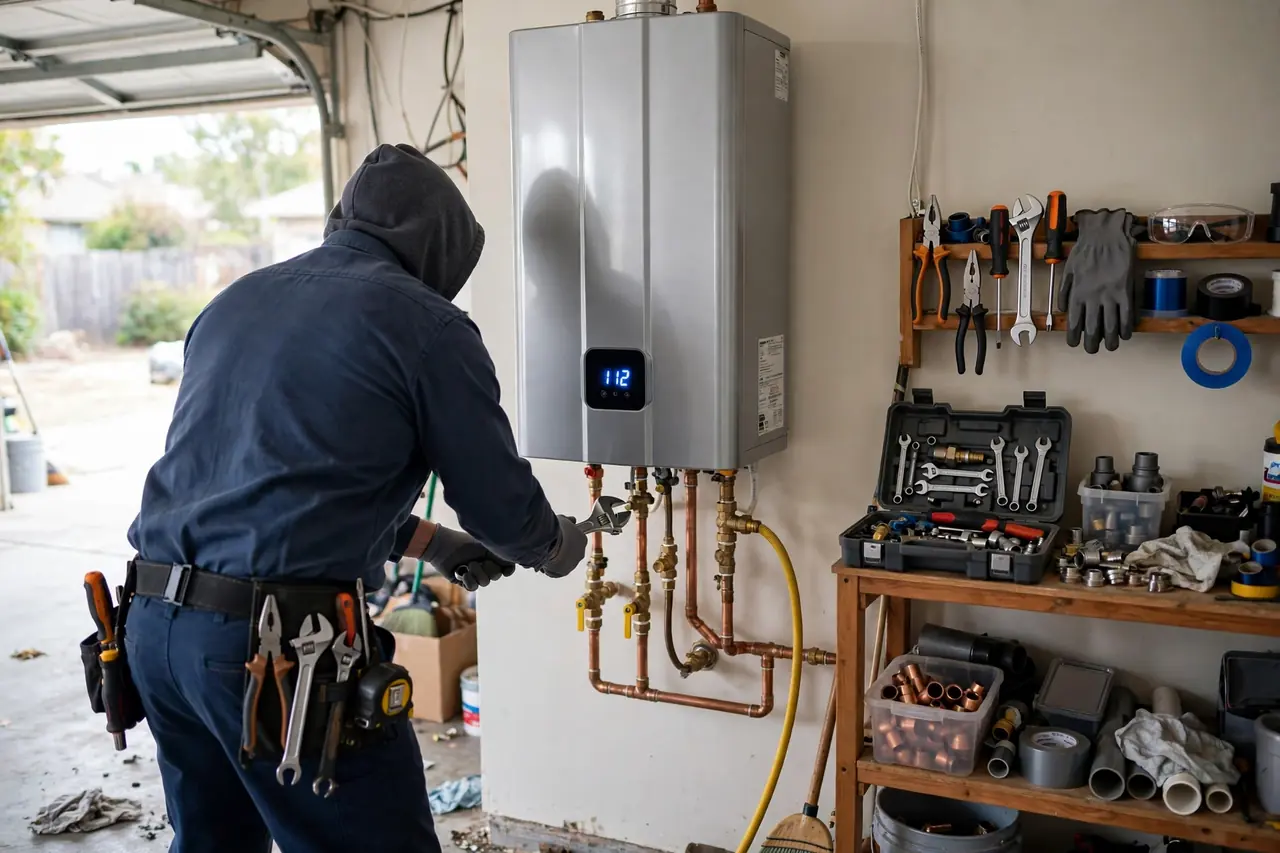
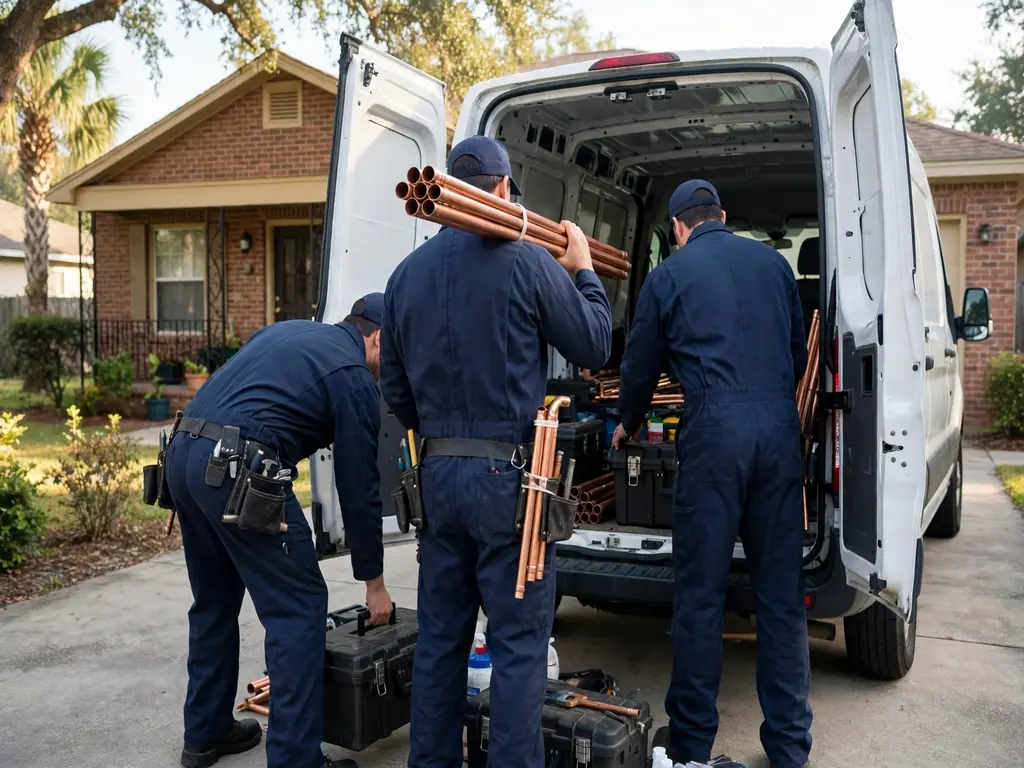
Clean, square cuts on copper and PEX so the fittings seat properly and don't weep under pressure.
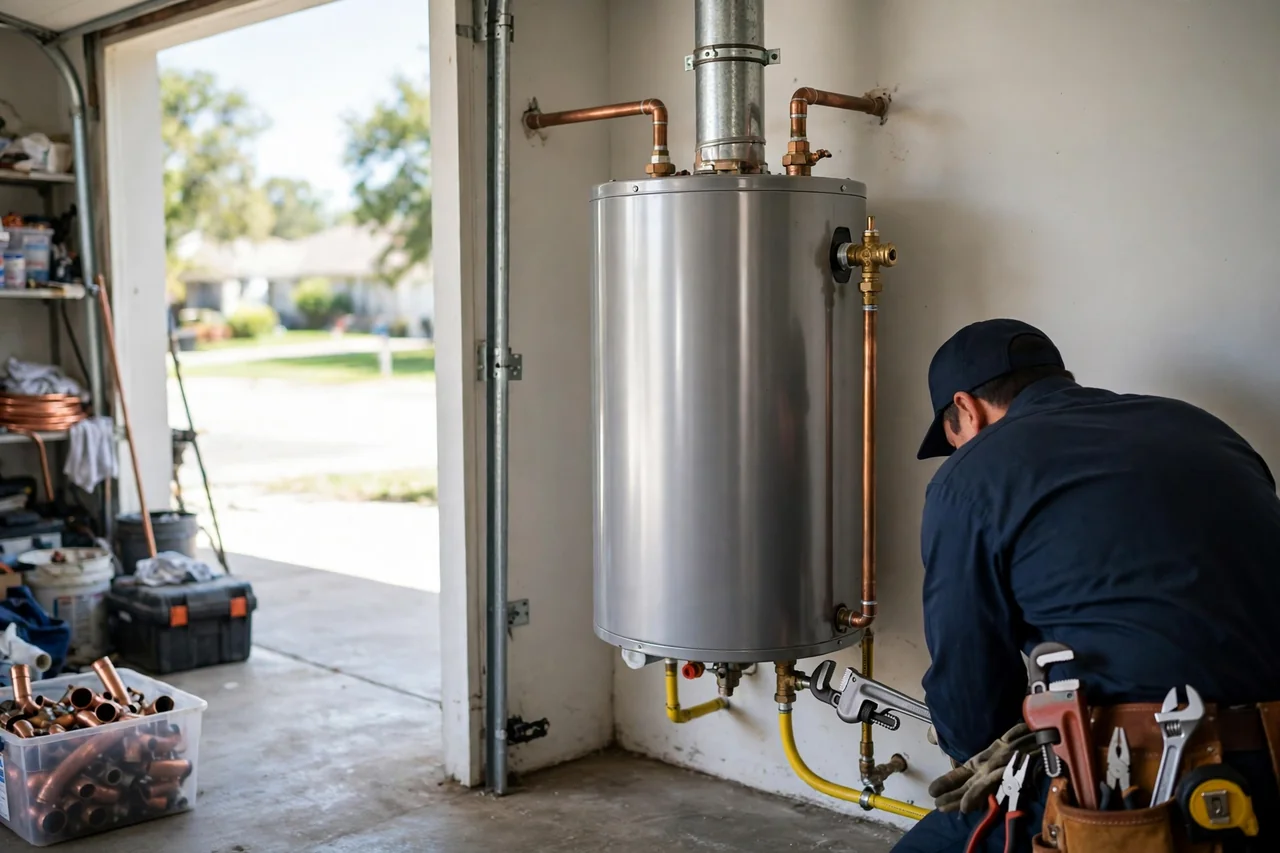
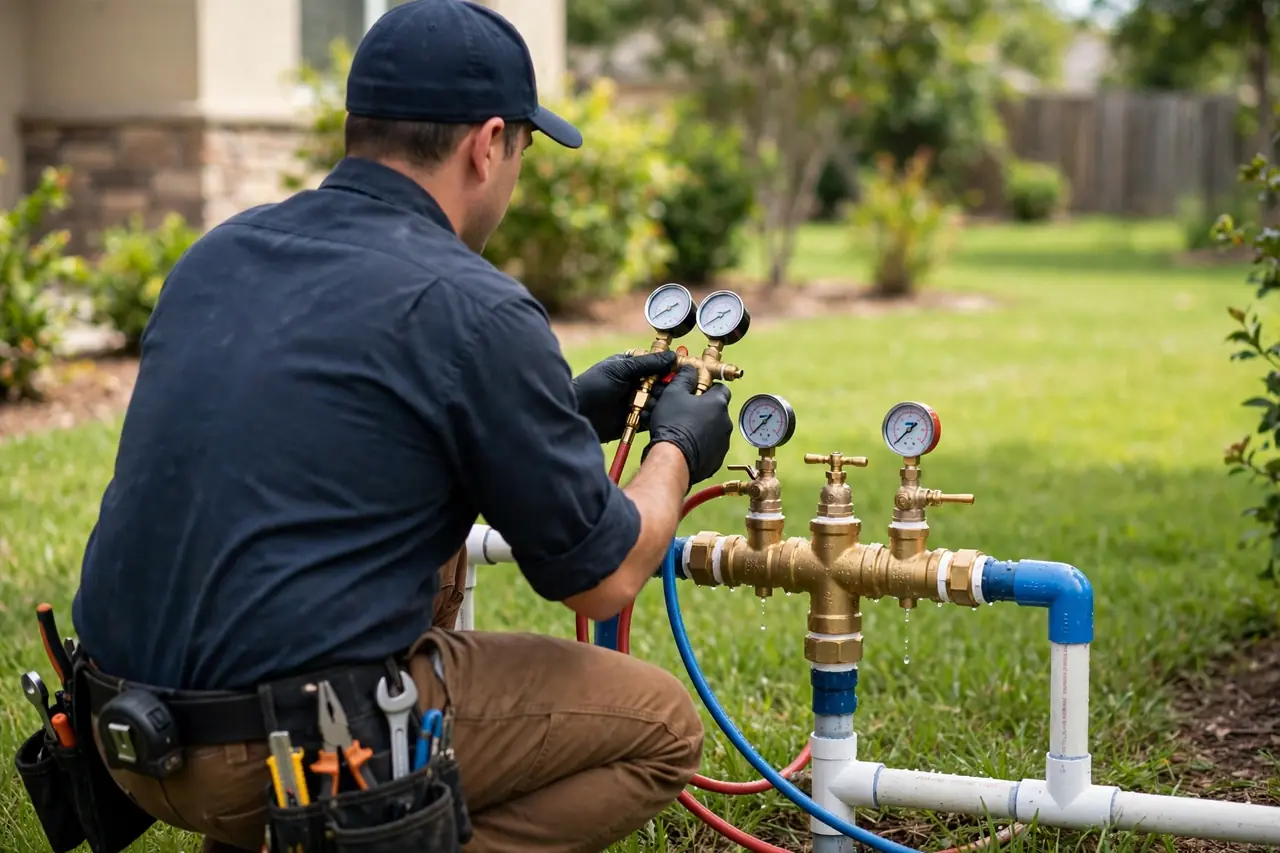
Makes leak-free connections on copper and PEX without soldering, which matters in tight utility closets where a torch is a fire risk.
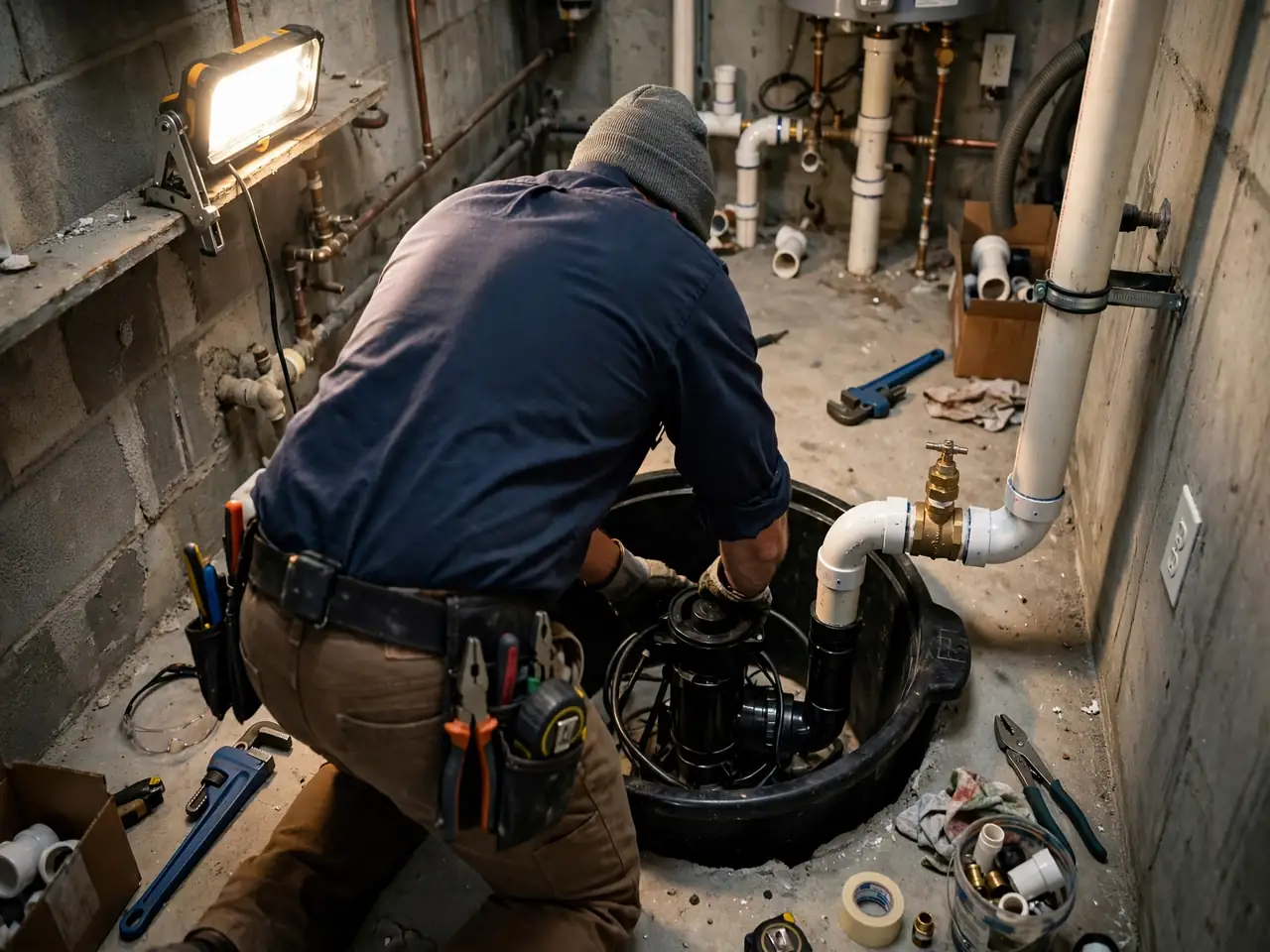
For soldered copper joints where that's the right connection. We use it with a heat shield near framing and insulation.
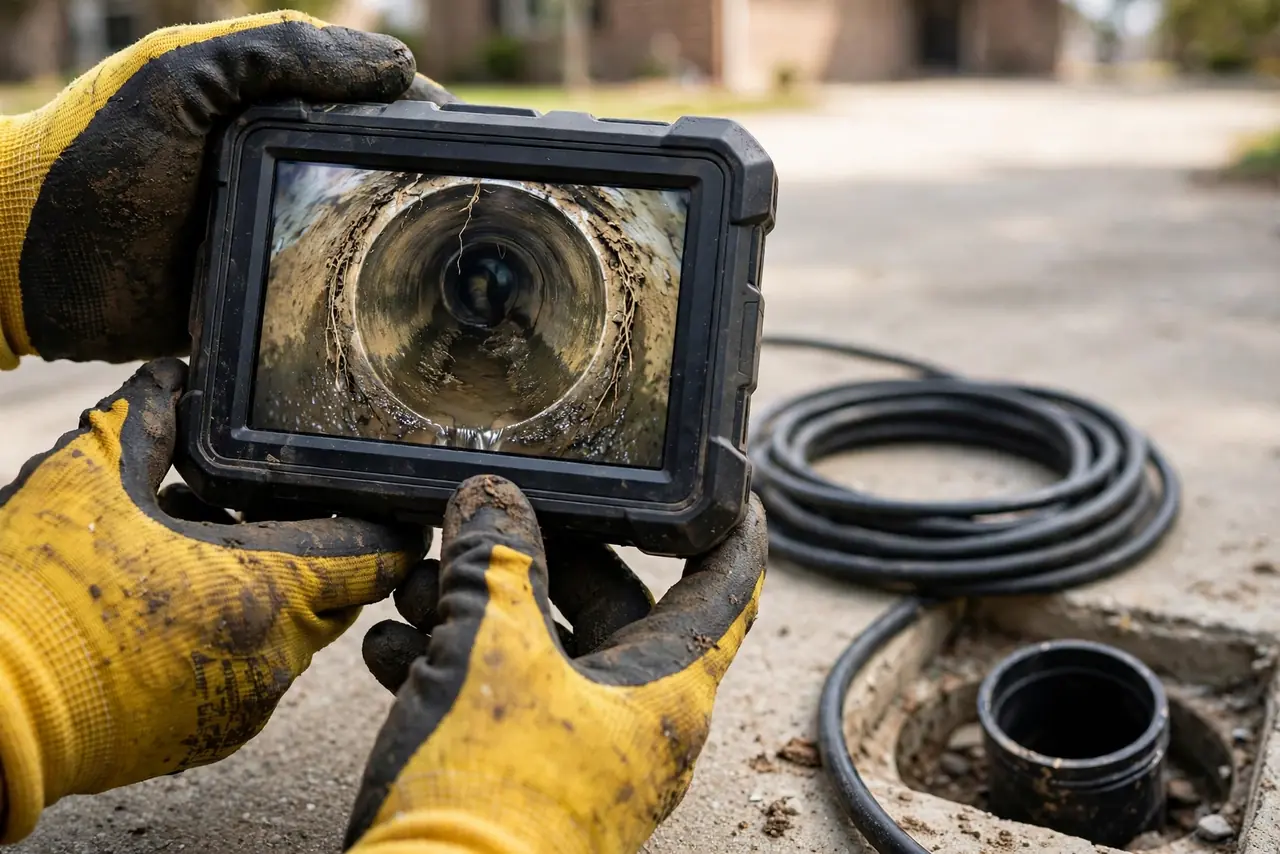
Reliable push-to-connect and expansion fittings for tie-ins where access is tight or the line needs to come apart later for service.
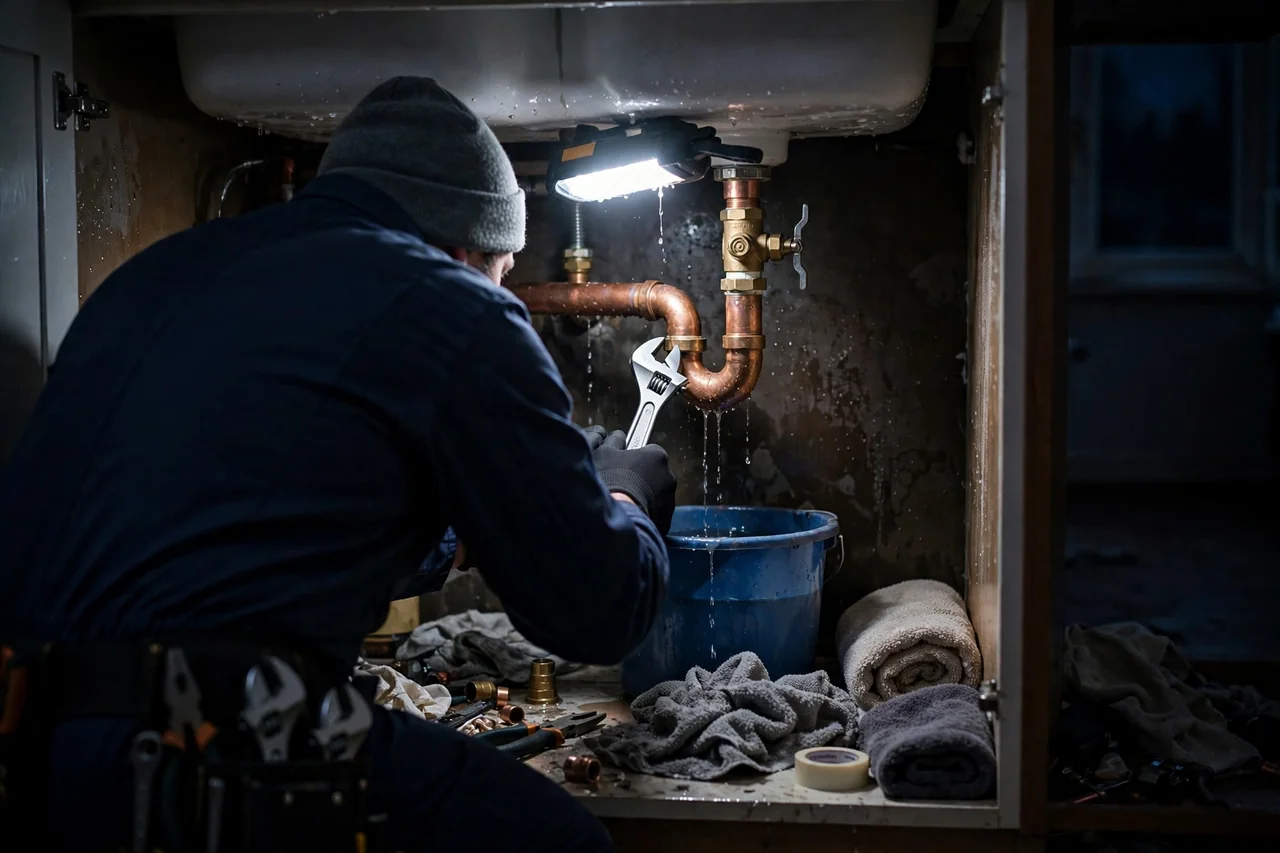
Measures grains per gallon at the tap and at the softener outlet so we size the system and verify it's working before we leave.
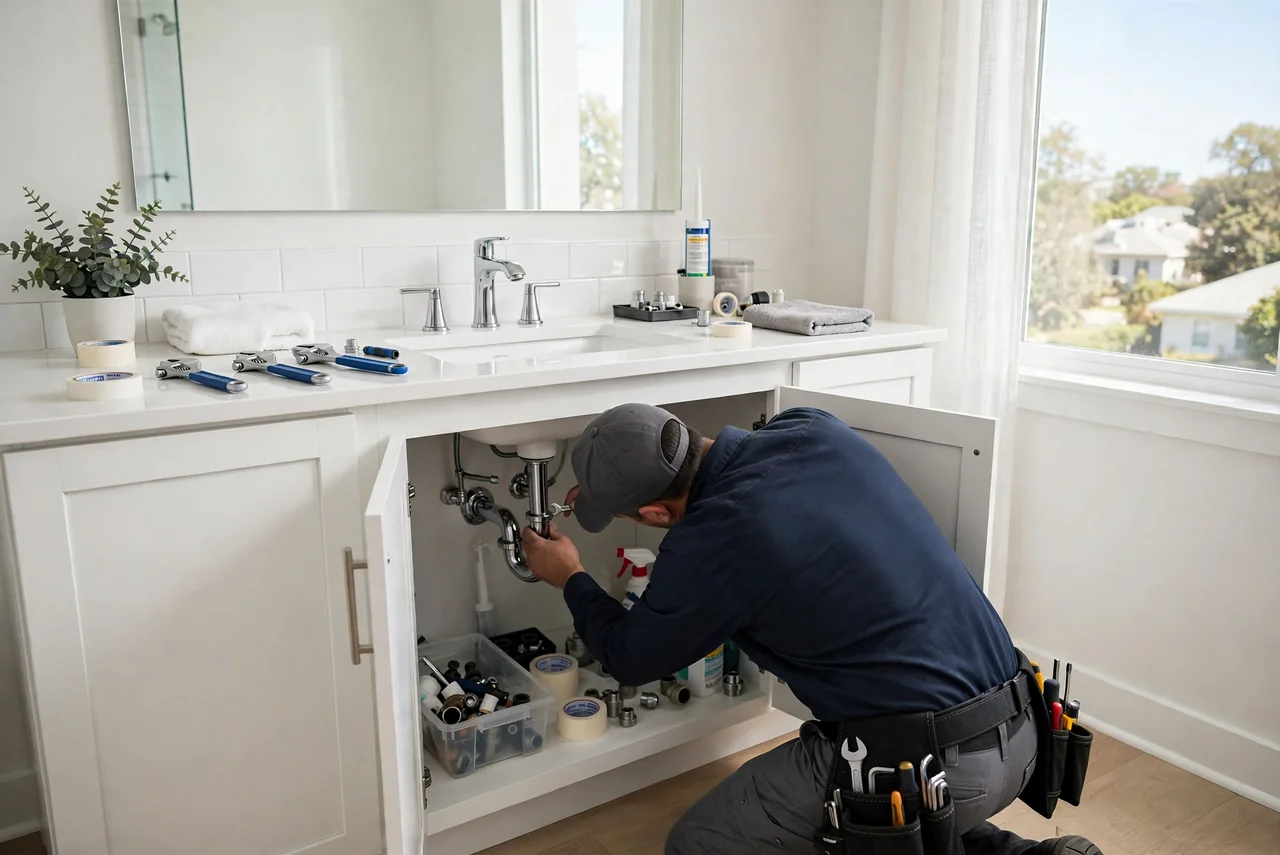
For the bypass loop and shutoff valves. Brass holds up to Houston water far better than plastic on the main line.
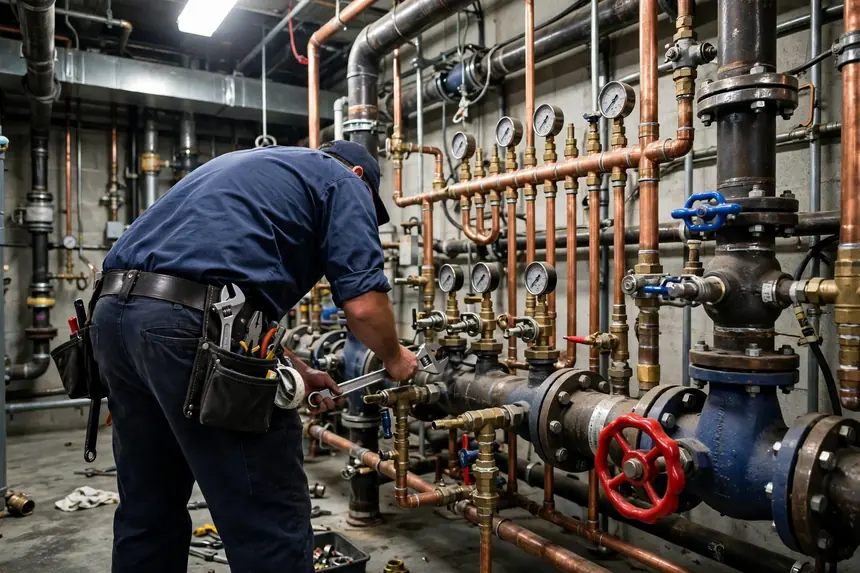
We calculate grain capacity from your measured hardness and daily household water use. That's how we avoid the two most common install mistakes: undersizing, which causes constant regeneration, and oversizing, which wastes salt and water.
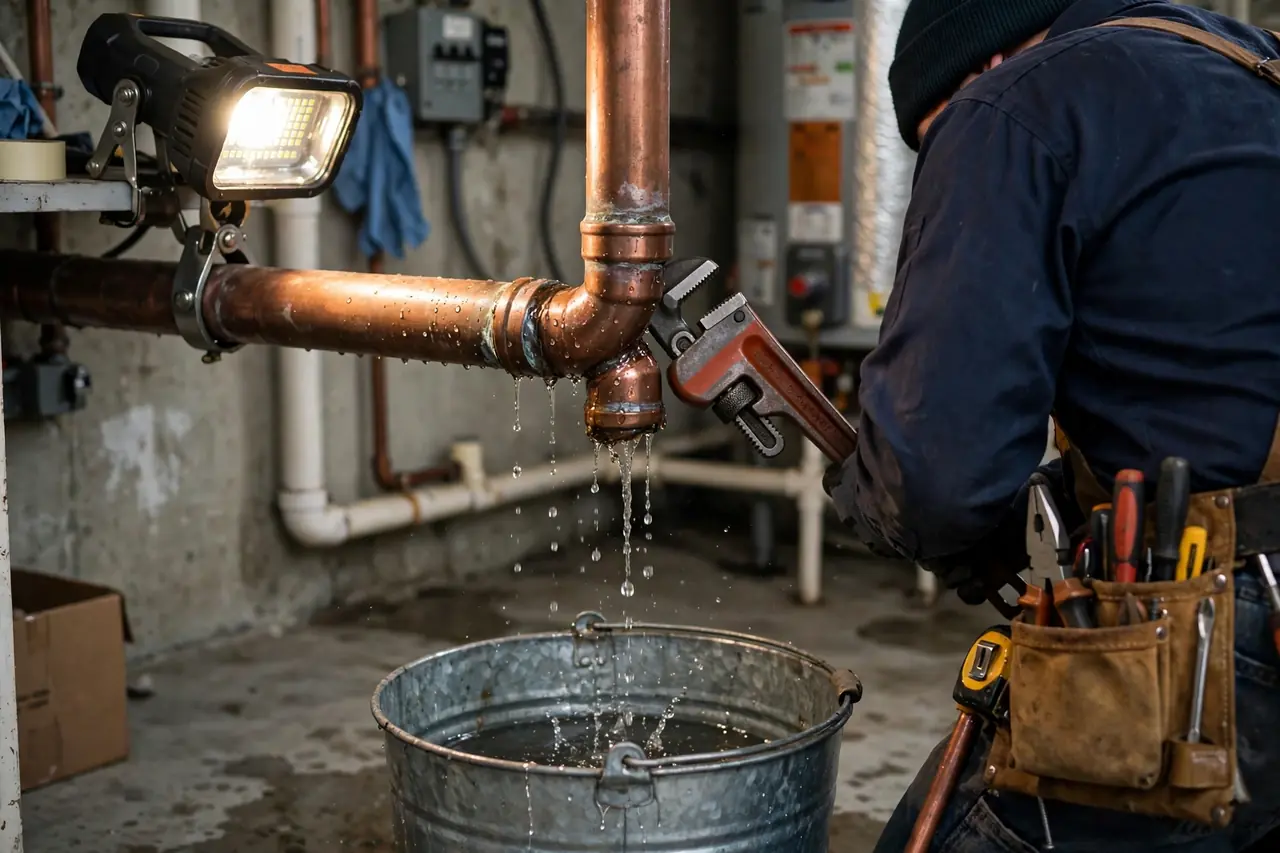
Every install gets a bypass with shutoff valves so the softener can be isolated for service without cutting water to the house. It's a small addition that saves a big headache later.
We test the water, size the system, and install it before you move in so the new appliances and fixtures start clean. The bypass loop goes in at the same time so future service is simple. You avoid inheriting the previous owner's scale problem and start with soft water from day one.
We diagnose whether it's repairable or time for water softener replacement Houston TX. If the resin is spent or the valve is shot, we quote a new unit and haul the old one away. A right-sized replacement that uses less salt and stops the leak, usually installed in a single visit.
We test for iron and hardness, then recommend pre-treatment for the iron ahead of the softener. Installing a softener alone on high-iron water fouls the resin fast, so the order matters. Clear water, no staining, and a softener that lasts instead of fouling in a year.
We coordinate the softener install with the remodel so the tie-in happens before the walls close up. New or fixtures go in on treated water and stay clean. New fixtures that stay spot-free and a softener installed while the plumbing is already open.
Softener work is strongest where hard water meets expensive equipment: larger homes in Memorial and River Oaks protecting tankless units and new repipes, and slab homes in Sharpstown and Meyerland where scale shortens heater life.
A 1948 Heights home on 14-grain water had white scale on every faucet, cloudy shower glass, and a water heater that popped and ran long. The dishwasher was spotting dishes and the owner was buying rinse aid by the case.
We installed a 48,000-grain system with a bypass loop in the garage and flushed the water heater. Six months later the fixtures wipe clean, the shower glass is clear, and the heater runs quieter. Soap use dropped by about half.
Add salt every six to eight weeks, check the brine tank for salt bridges monthly, and schedule a resin check every three years.
A 14-year-old softener in a Midtown rental was leaking from the control valve onto the garage floor, using a bag of salt a week, and the tenant reported hard water at the taps. The unit was undersized for the building's fixture count.
We replaced it with a correctly sized 64,000-grain unit, rebuilt the bypass with brass fittings, and rerouted the drain to a legal discharge. Salt use dropped to a bag every three weeks and the leak stopped.
Inspect the control valve annually, keep the drain line clear, and check the hardness at the tap every few months to catch problems early.
Hard water doesn't announce itself with a leak. It shows up slowly as scale, higher bills, and appliances that quit early. These are the problems a properly sized system solves, and the ones we see most often on Houston water.
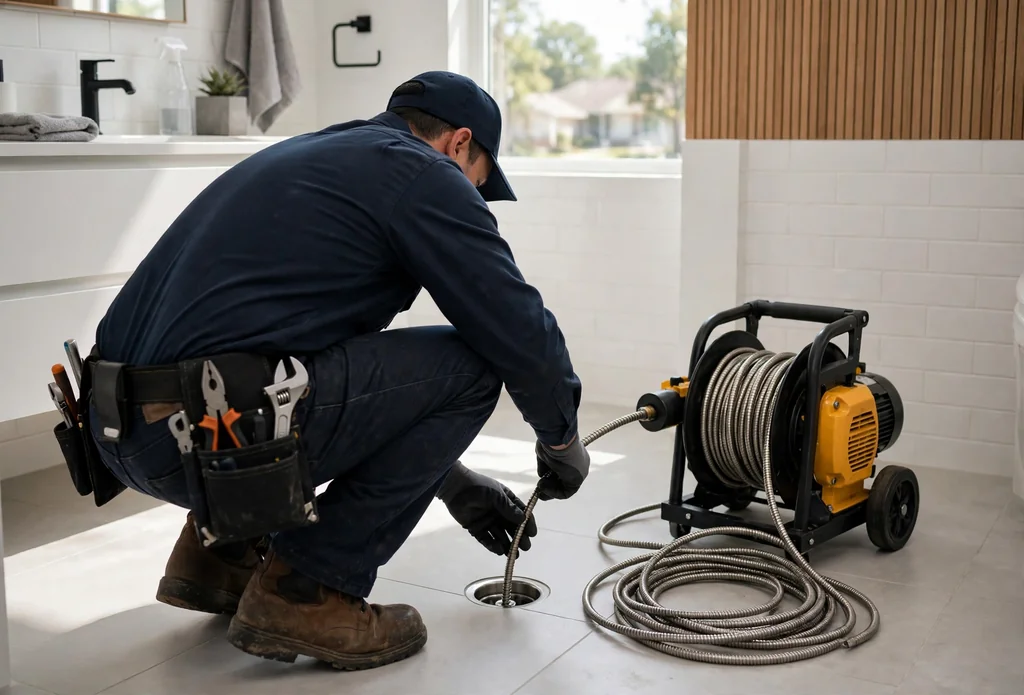
A correctly sized ion-exchange softener removes the calcium and magnesium before they reach the fixture. We test hardness first and size the unit to your number, so the scale stops forming instead of just slowing down. Calcium carbonate builds up on every surface water touches. It etches glass, stains tile, and takes hours of scrubbing to remove. Left alone, it hardens into a film that won't come off with normal cleaners.
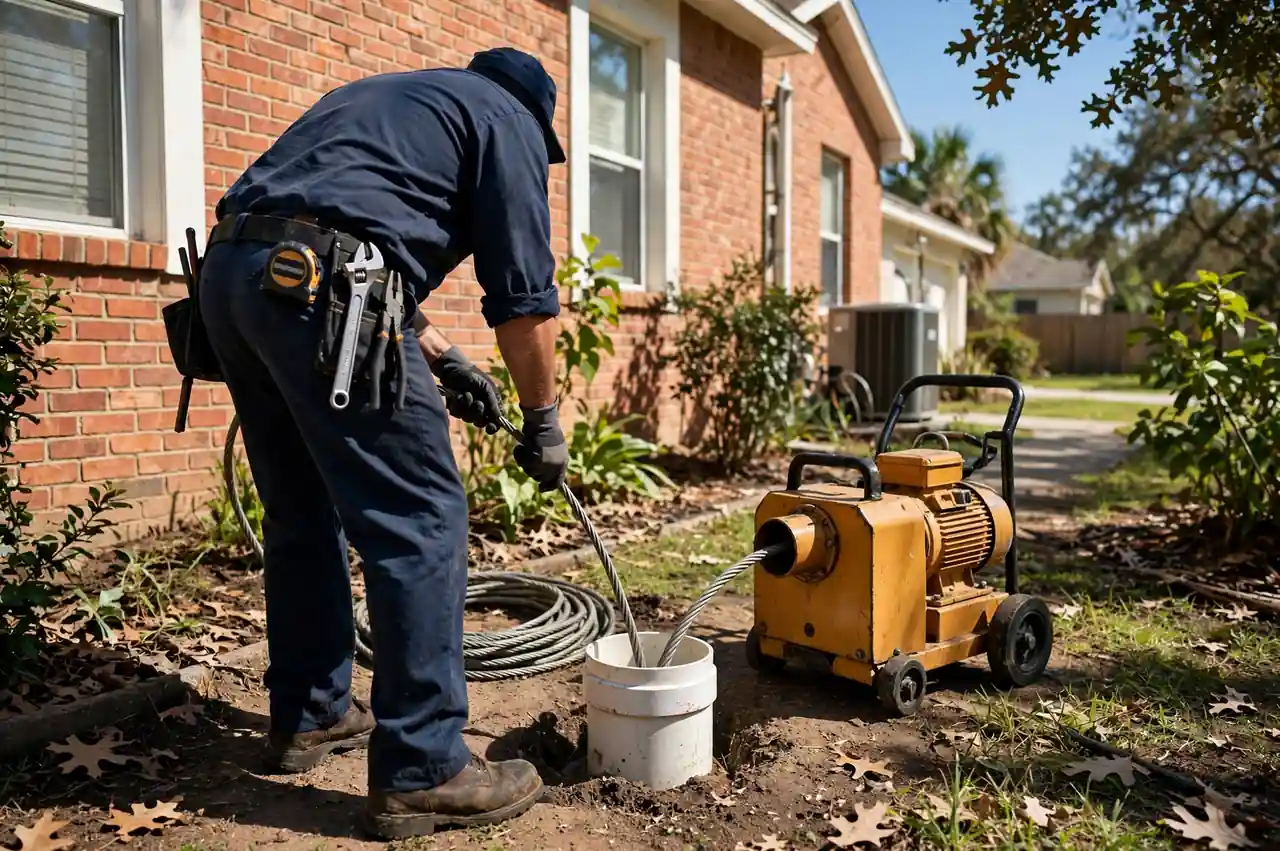
Soft water feeding the heater stops the sediment from forming. If your heater is already scaled, we can flush it or quote a replacement alongside the softener install so the new tank starts clean. Sediment from hard water settles at the bottom of the tank and insulates the burner from the water. The heater runs longer, costs more to operate, and the tank fails years early from overheating the steel.
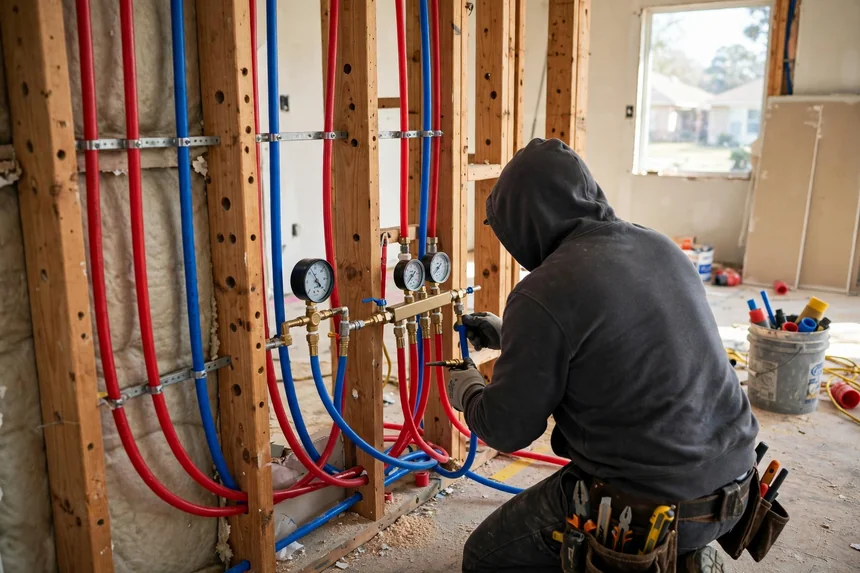
Soft water lathers with roughly half the product. Most customers notice the difference within a week of the install. We size the system so the soft water stays soft through the whole regeneration cycle. Hard water reacts with soap to form scum instead of lather. You use more shampoo, more detergent, more dish soap, and your clothes still come out stiff and dull. The cost adds up every month.
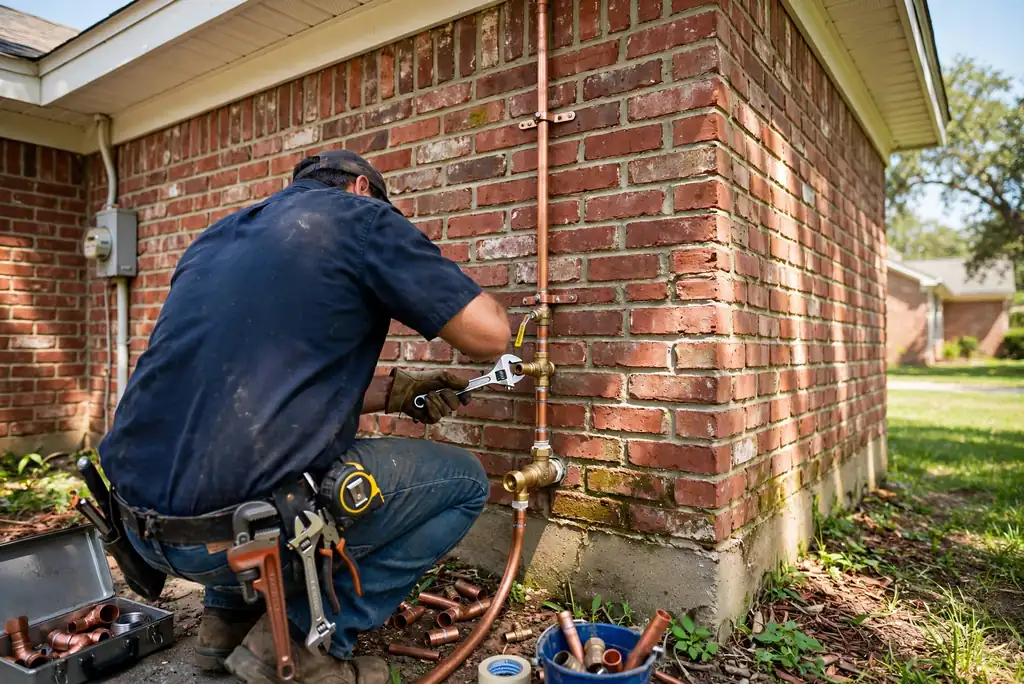
A whole house water softener Houston Texas install feeds the dishwasher treated water, so dishes rinse clean and the heating element stays scale-free. We tie it into the main line so every fixture benefits, not just one. Minerals in the rinse water leave spots on dishes and cloud glassware over time. Dishwasher heating elements scale up and quit, and you end up replacing a machine that should have lasted years longer.
Scale is the silent killer of water heaters, dishwashers, and washing machines. Soft water stops the calcium buildup inside the tank and heating element, which can add years to a water heater's life and keep your energy bill from creeping up month after month.
Soft water lathers with roughly half the soap and detergent. Dishes come out spot-free, laundry feels softer, and you stop buying the extra rinse aid and hard-water detergent boosters. Most families notice the difference in the first week of running a whole house water softener Houston Texas system.
That chalky film on shower glass, faucets, and tile is calcium carbonate. A properly sized system keeps it from forming, so you clean less and your fixtures stay bright. It also protects the cartridge inside your or faucet from seizing up.
Hard water leaves a soap film on skin and hair that takes extra product to strip off. Soft water rinses clean, which most people feel within a few showers. It is one of the most common reasons homeowners call for water softener installation Houston Texas service.
Clear records you can keep and share.
Hardness, iron, and chlorine numbers at your tap
Grain capacity matched to your household
Salt schedule and monthly checks explained
Not every hard-water problem is solved by a softener alone. Iron and chlorine change what you need, and testing first saves money.
Hardness varies block to block in Houston. A unit sized for 8 grains underperforms at 15, so we test at your tap and size to the measured number.
Well water with iron fouls softener resin fast. When iron is present we recommend pre-treatment ahead of the softener so the resin lasts.
A bypass loop with shutoff valves lets you isolate the softener for service without cutting water to the house. We install it as standard on every job.
Outside these areas? Call and ask if we can reach you. (346) 776-8560
Yes. The City's own water quality report averages about 8 grains per gallon, with a range up to about 13. Water from a municipal utility district can be harder, so the right figure for your home comes from your provider's report, not a city-wide average.
It depends on your water and your equipment. If scale is killing heaters, wearing cartridges and spotting fixtures, a softener is the answer. If the problem is taste or odour, filtration is the answer. We test and explain before recommending either.
A softener removes hardness minerals that cause scale. A filter removes taste, odour, chlorine or chloramine and particulates. Many Houston homes benefit from both, but they solve different problems.
No. A softener does not fix pressure. Low pressure usually means a supply problem, a scaled line, or a pressure regulator issue, and we check those before recommending treatment.
Yes. Scale builds in the heat exchanger and is one of the most common tankless problems in Houston. A softener protects the unit, and descaling is the maintenance that keeps it running.
Call (346) 776-8560 for a free estimate. We check your water, size the system to your home, and explain softener versus filtration honestly, Monday to Sunday, 7:00 AM to 10:00 PM.
Call us at (346) 776-8560 to discuss water softener installation or ask a question. We are open Monday to Sunday, 7:00 AM to 10:00 PM, and estimates are free.
The fastest way to book is a phone call. Tell us what is happening and we will give you a free estimate and a time that works, Monday to Sunday, 7:00 AM to 10:00 PM.
Open Mon–Sun, 7:00 AM–10:00 PM. Free estimates.