Meter readings
Before and after readings proving the leak is found and fixed
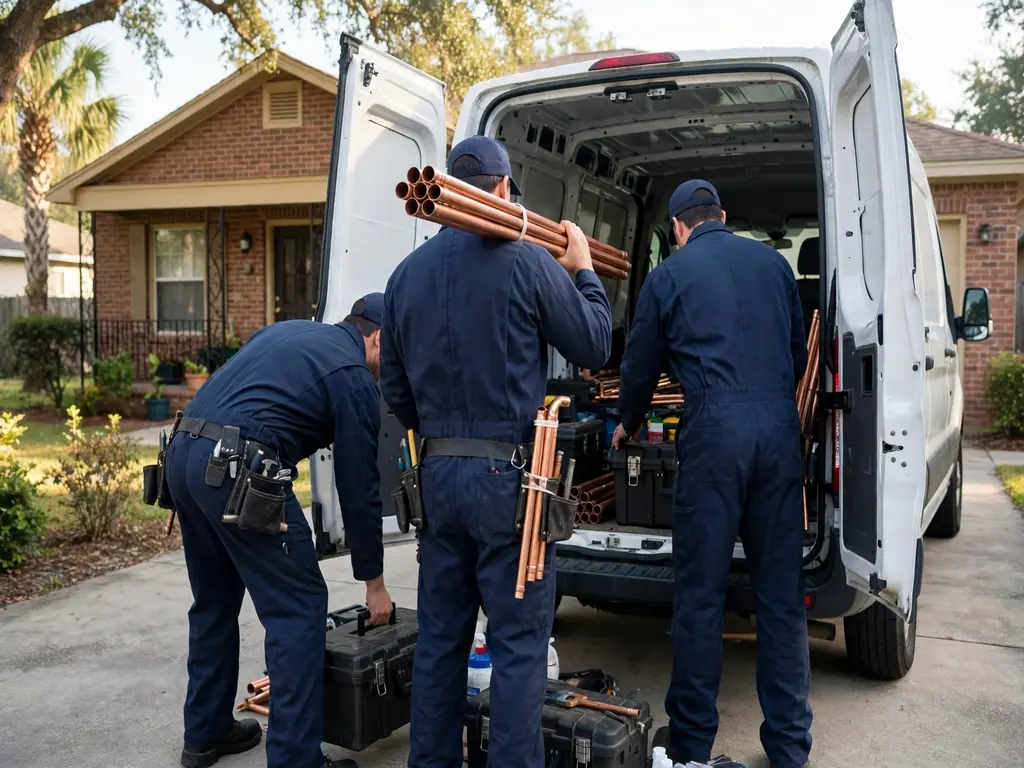
Slab leak repair in Houston is the work of finding a leak under the concrete with meter tests, acoustic listening and cameras, then repairing it by spot repair, reroute or repipe. Most Houston homes sit on a slab-on-grade foundation poured directly over expansive clay, which means the water lines run under the concrete you walk on. El Primo Lalo Plumbing finds slab leaks with meter tests, acoustic listening and cameras, then repairs them by spot repair, reroute or tunneling, with a free estimate first.
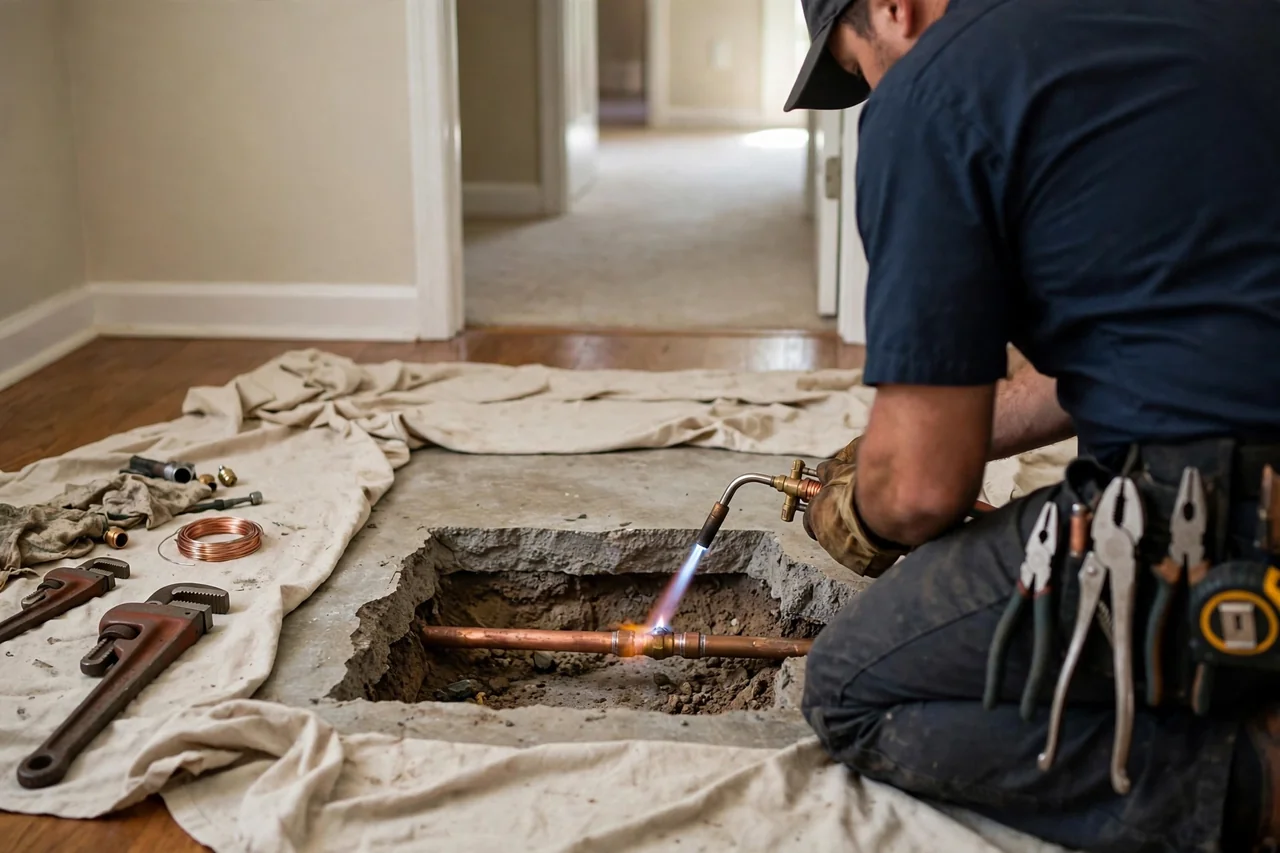
Every slab leak call covers the same ground: detection, location, options, repair and testing. If the pipe is systemically tired, we say so before we cut concrete.
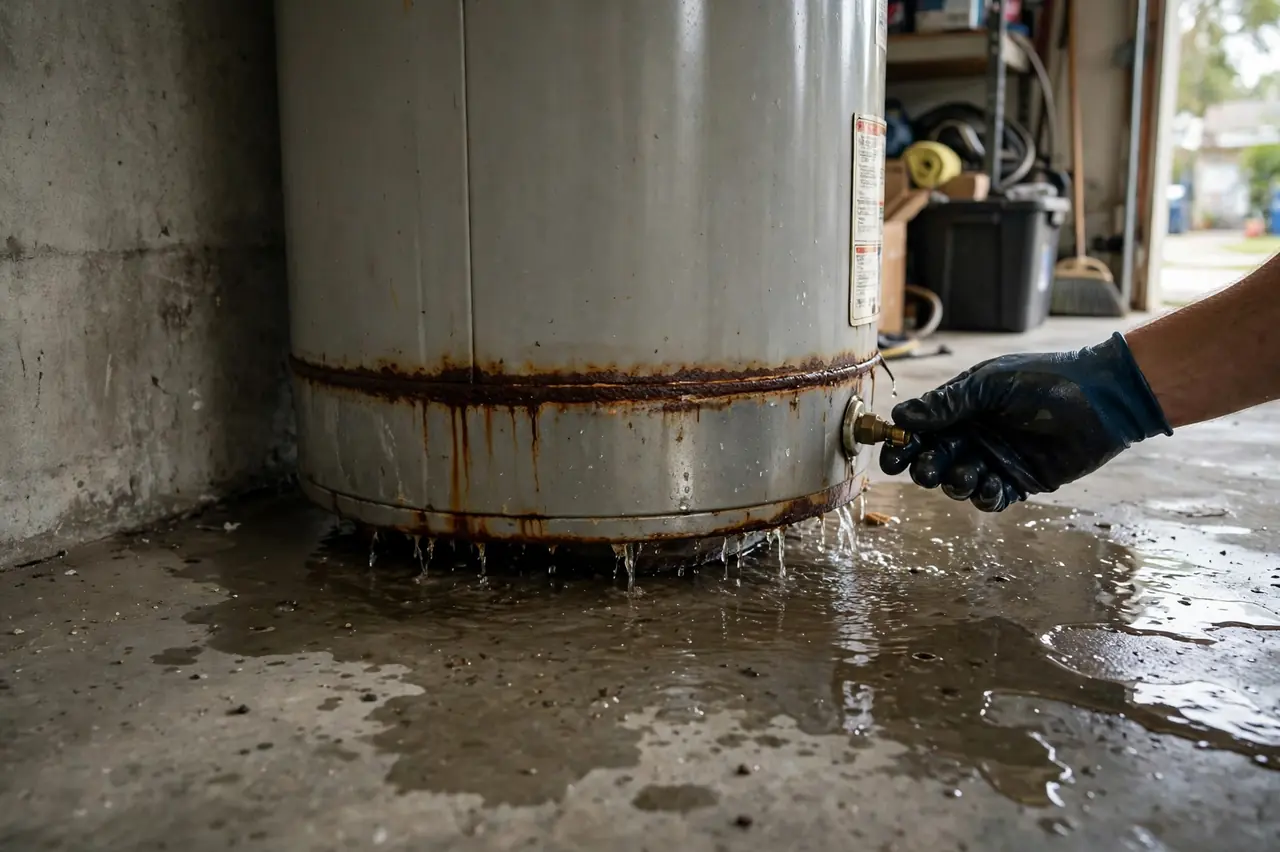
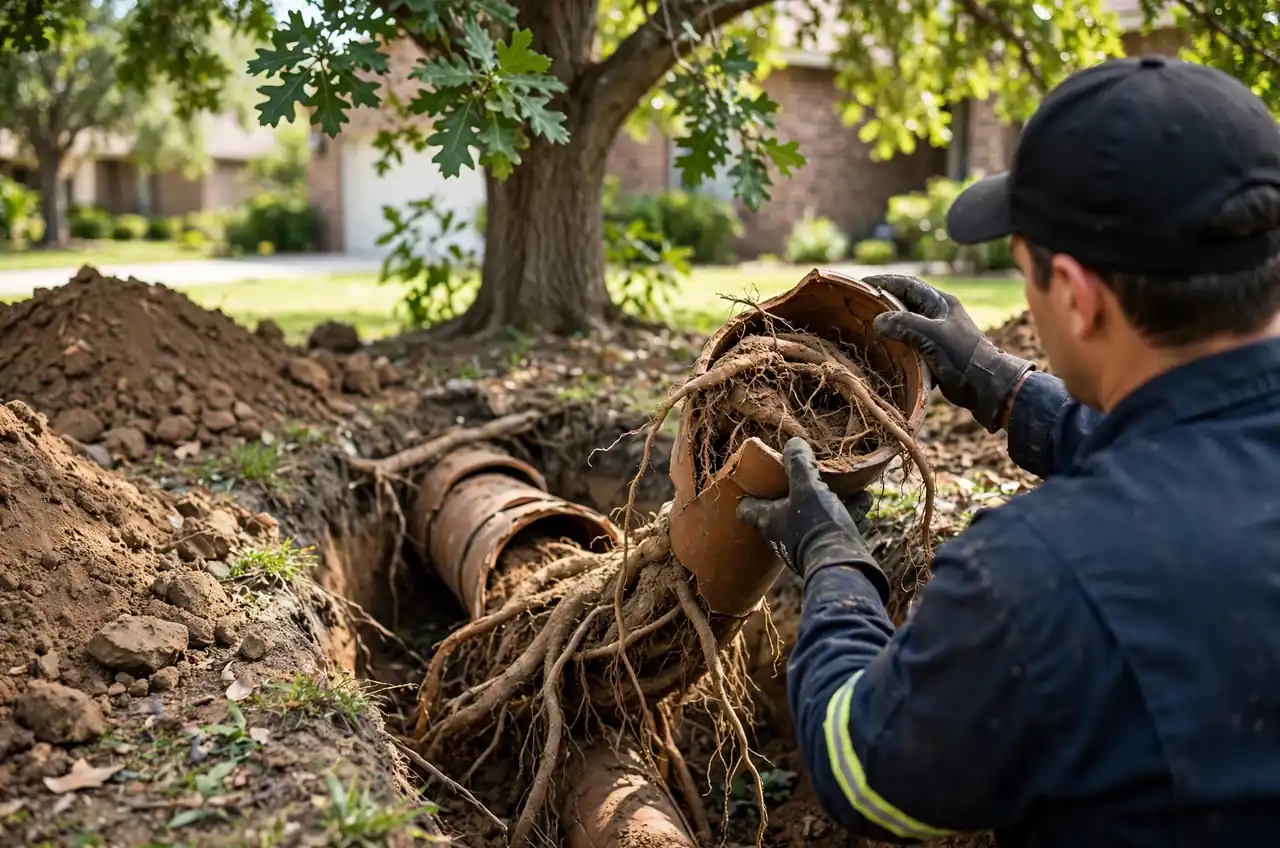
We find and repair slab leaks for homeowners across Houston, from a single pinhole to a tired copper system. Every visit starts with the meter, so you know whether there is a leak before we open anything.
Slab leaks in commercial buildings show up as high water bills and damp floors in ground-floor units. We locate the line, explain the options, and schedule the repair around the building.
Most Houston homes sit on a slab-on-grade foundation poured directly over gumbo clay, which means your water lines run under the concrete you walk on, and the clay under that concrete swells and shrinks with every wet spring and dry August. Copper thins where it rubs concrete, and after 40 to 60 years the pinholes cluster. That is why slab leaks are Houston's signature plumbing problem, and why they concentrate in the 1960s to 1980s slab belt: Sharpstown, Meyerland, Memorial and Spring Branch.
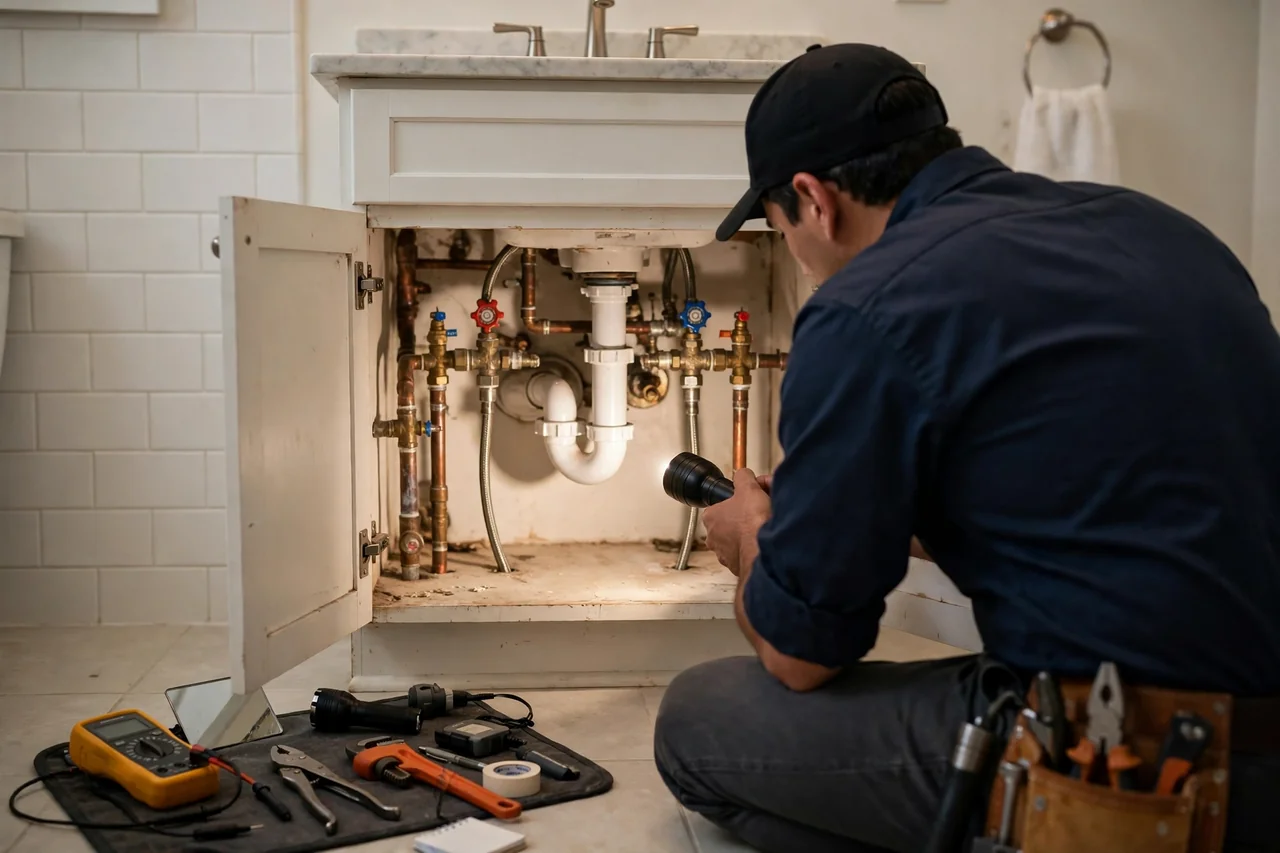
The signs are consistent: a water bill that jumps with no change in use, a meter that keeps moving with everything off, a warm spot on the floor, or the sound of running water when nothing is on. Detection follows a stack: meter check, pressure testing and line isolation to separate hot from cold, acoustic listening, then camera and line locating, and tracer gas for quiet leaks. Repair has three honest options, and a spot repair on a systemically tired pipe is not a permanent fix.
Spot repair, reroute or tunnel. The pipe decides, not the sales pitch.Slab leak signs and causes
Most Houston homes sit on a slab-on-grade foundation poured directly over gumbo clay, and the clay under that concrete swells and shrinks with every wet spring and dry August. Copper thins where it rubs concrete, and after 40 to 60 years the pinholes cluster. That is why slab leaks concentrate in the 1960s to 1980s slab belt: Sharpstown, Meyerland, Memorial and Spring Branch.
Sign What it means Water bill jumps with no change in use A leak under the slab is wasting water. Meter keeps moving with everything off A leak is running even when no fixture is on. The meter check with everything off tells us whether there is a leak at all. Warm spot on the floor The leak is on the hot-water line. Detection separates hot from cold by pressure testing and line isolation. Sound of running water when nothing is on Water is moving through a leak under the concrete you walk on.
Every slab leak follows the same five steps, so you know what is happening and what it costs before concrete is cut.
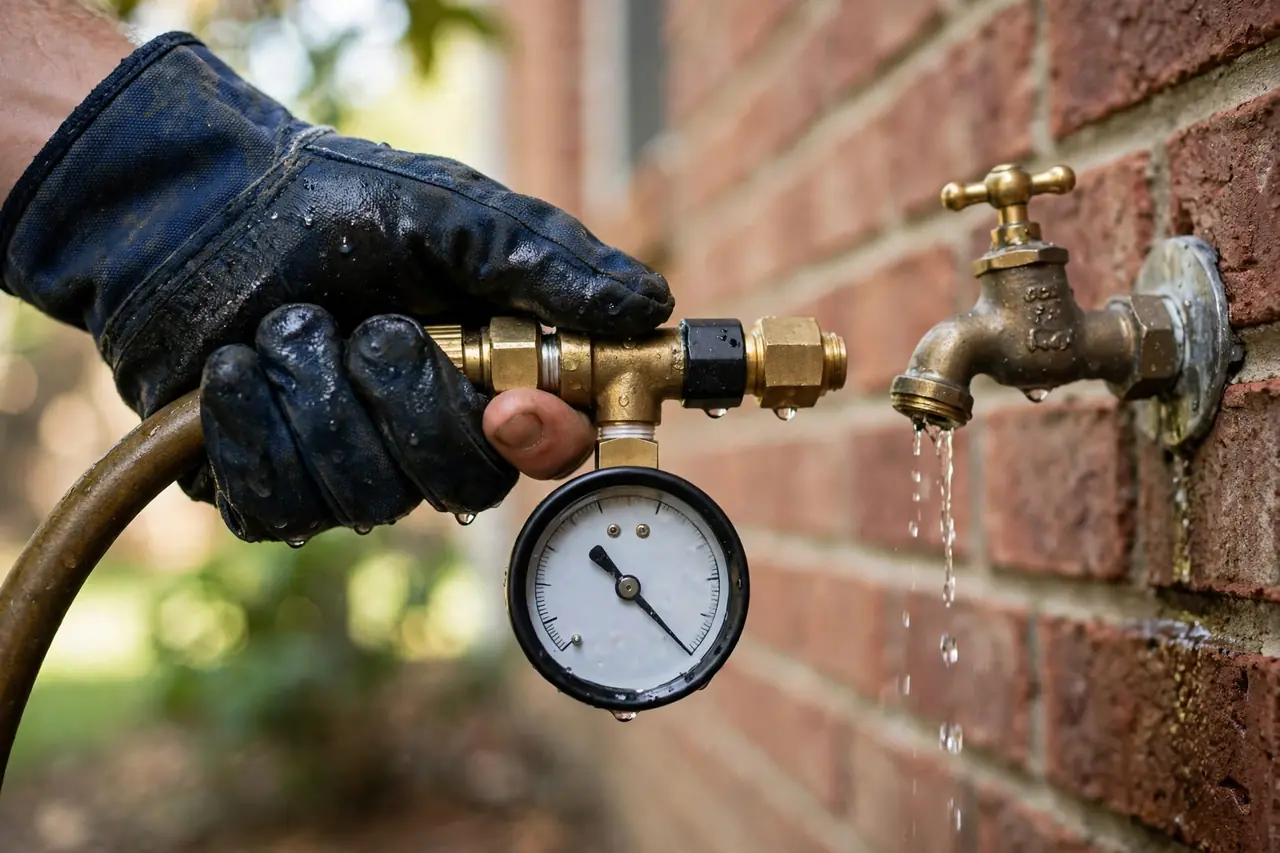
We ask about the bill, the warm spots and the sounds, then check the meter with everything off. That tells us whether there is a leak at all.
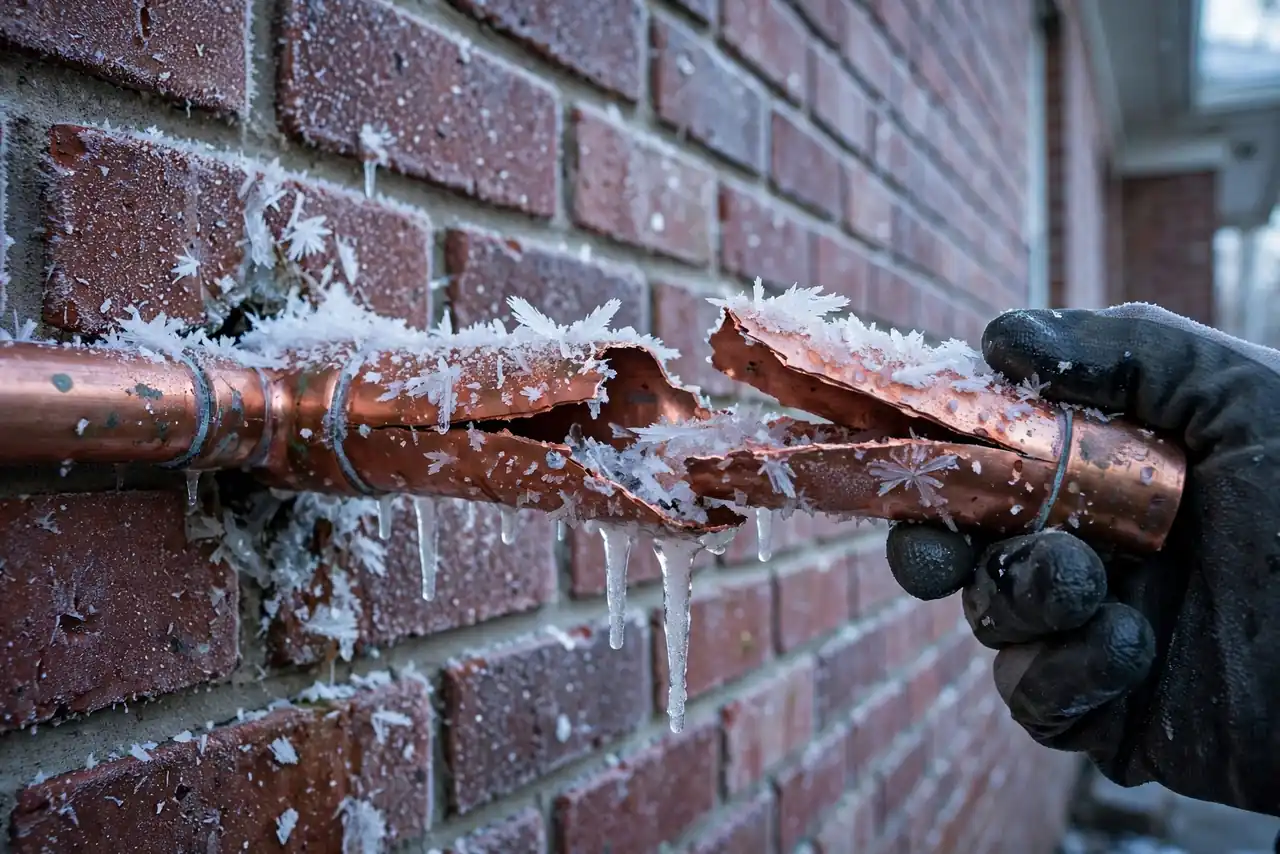
Pressure testing and line isolation separate hot from cold, narrowing the leak to one side of the system.

Acoustic listening, camera and line locating, and tracer gas for quiet leaks, pinpoint the position before anything is opened.
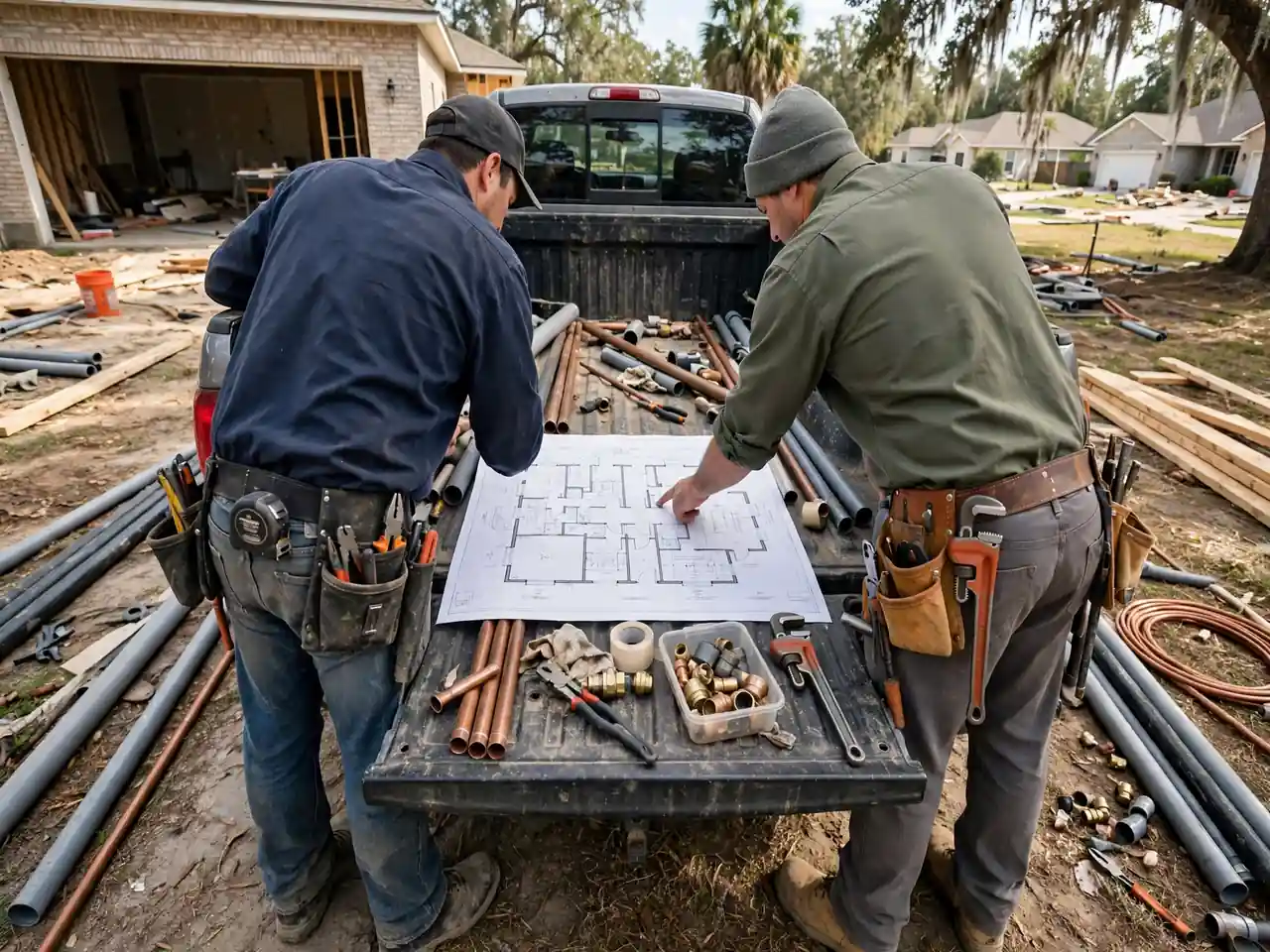
Spot repair, reroute overhead, or tunneling under the foundation, as the pipe decides. We explain all three before you choose.
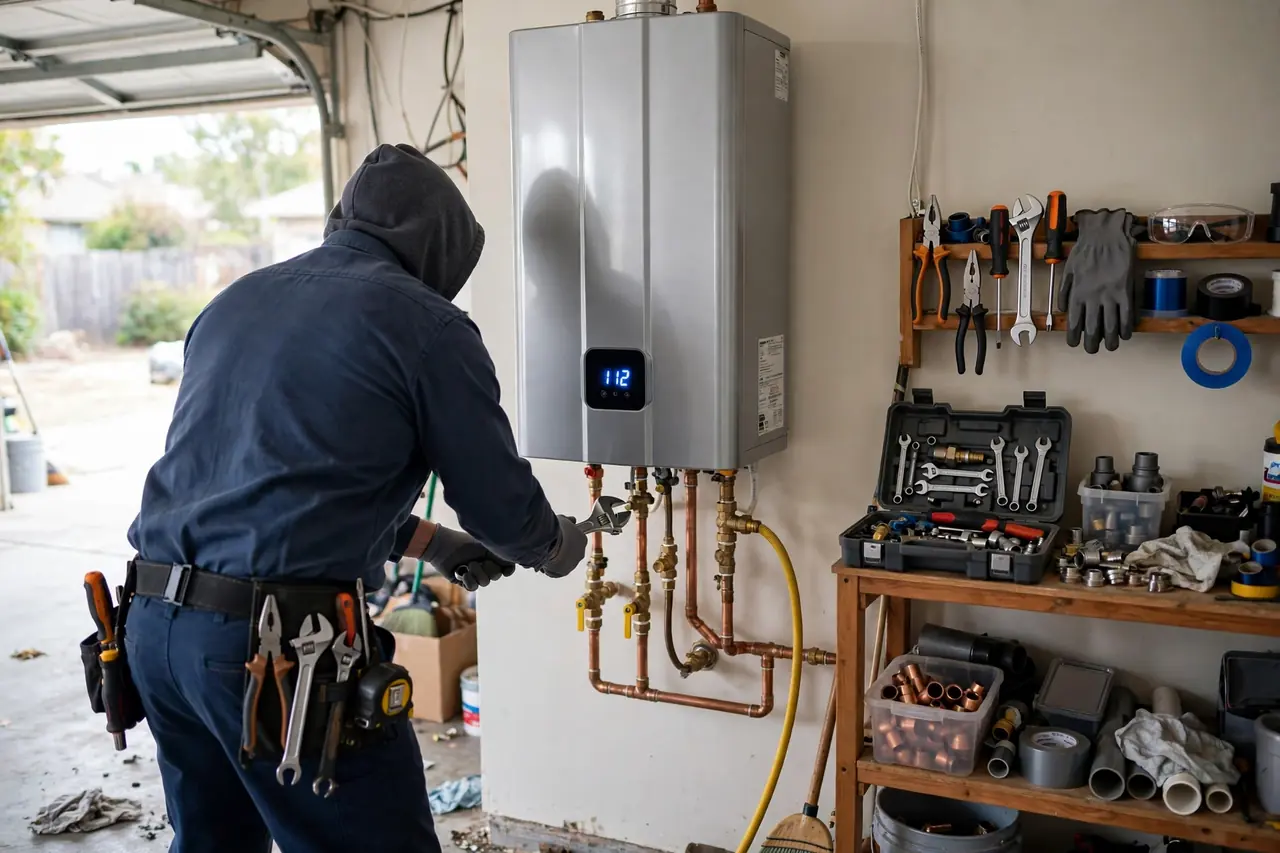
We pressure-test the repair, check the meter again, and give you written records of the detection and the repair.
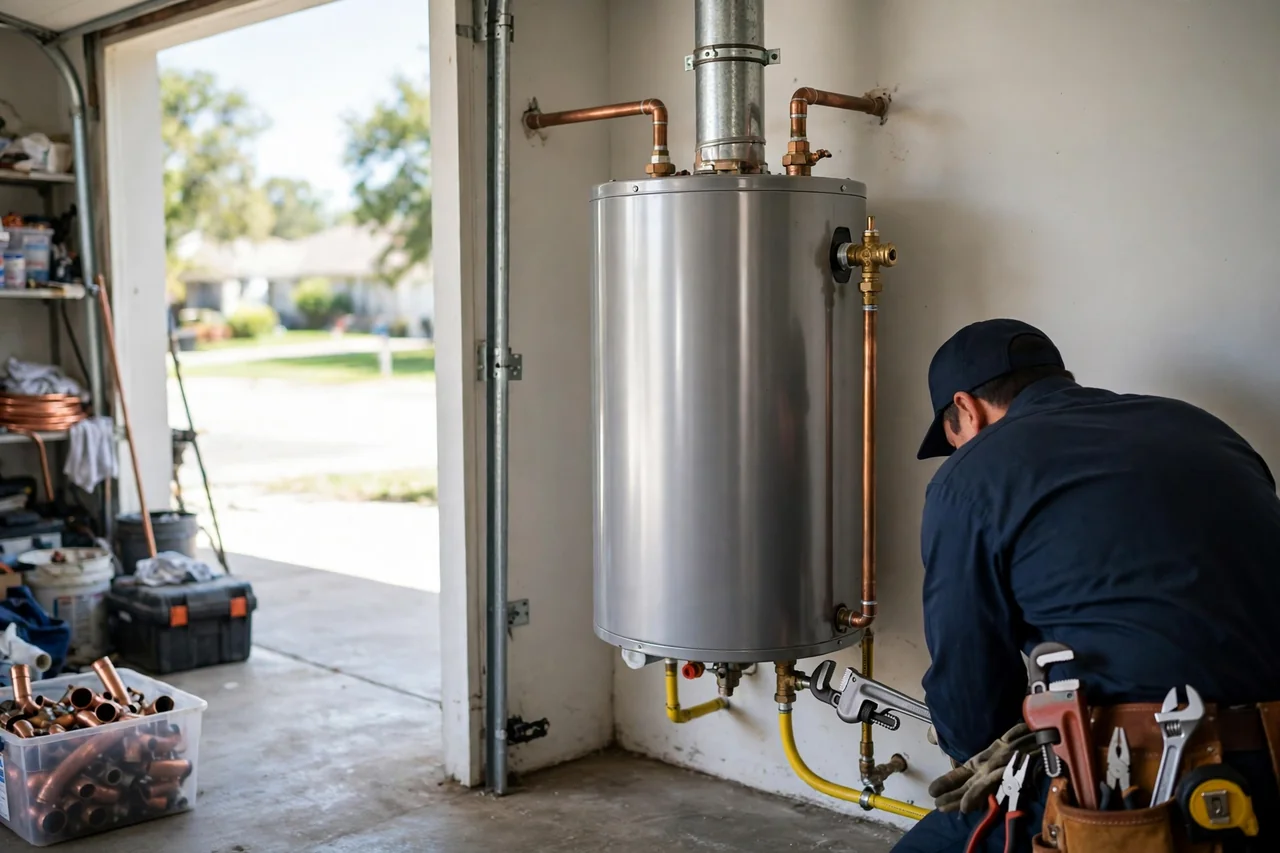
The first test costs nothing: a meter that moves with everything off proves a leak exists.
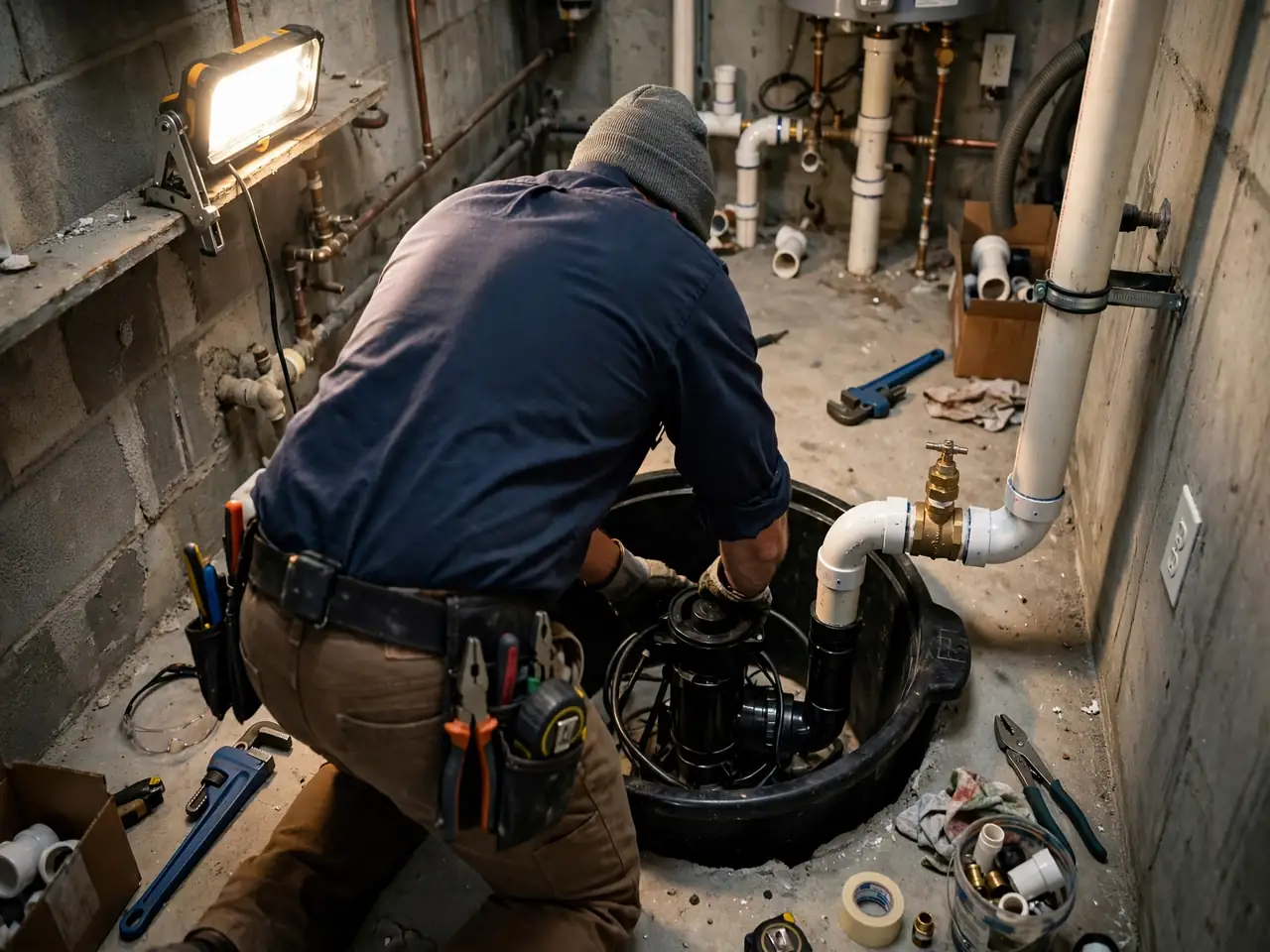
Isolates hot from cold and proves which line is losing water.
Ground microphones hear the leak under the slab, even when nothing is visible.
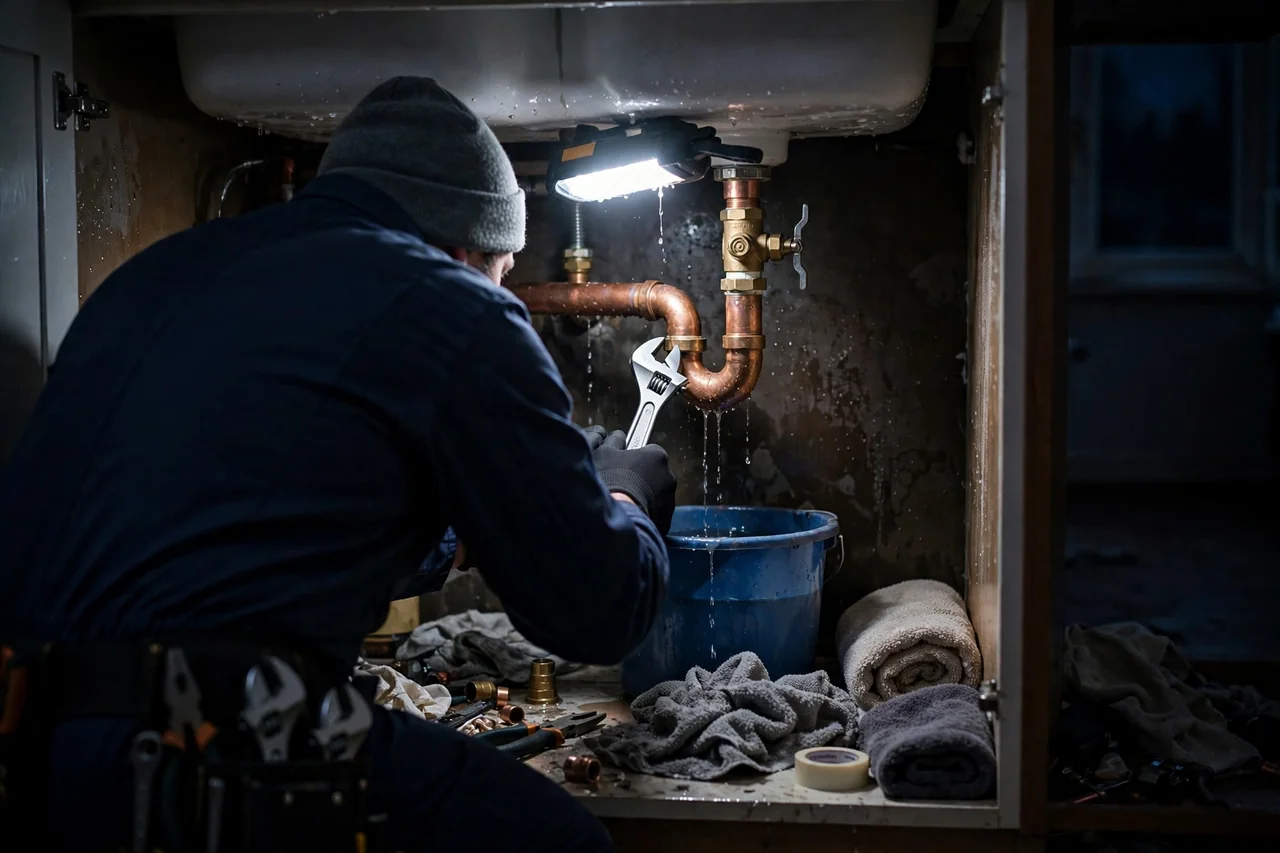
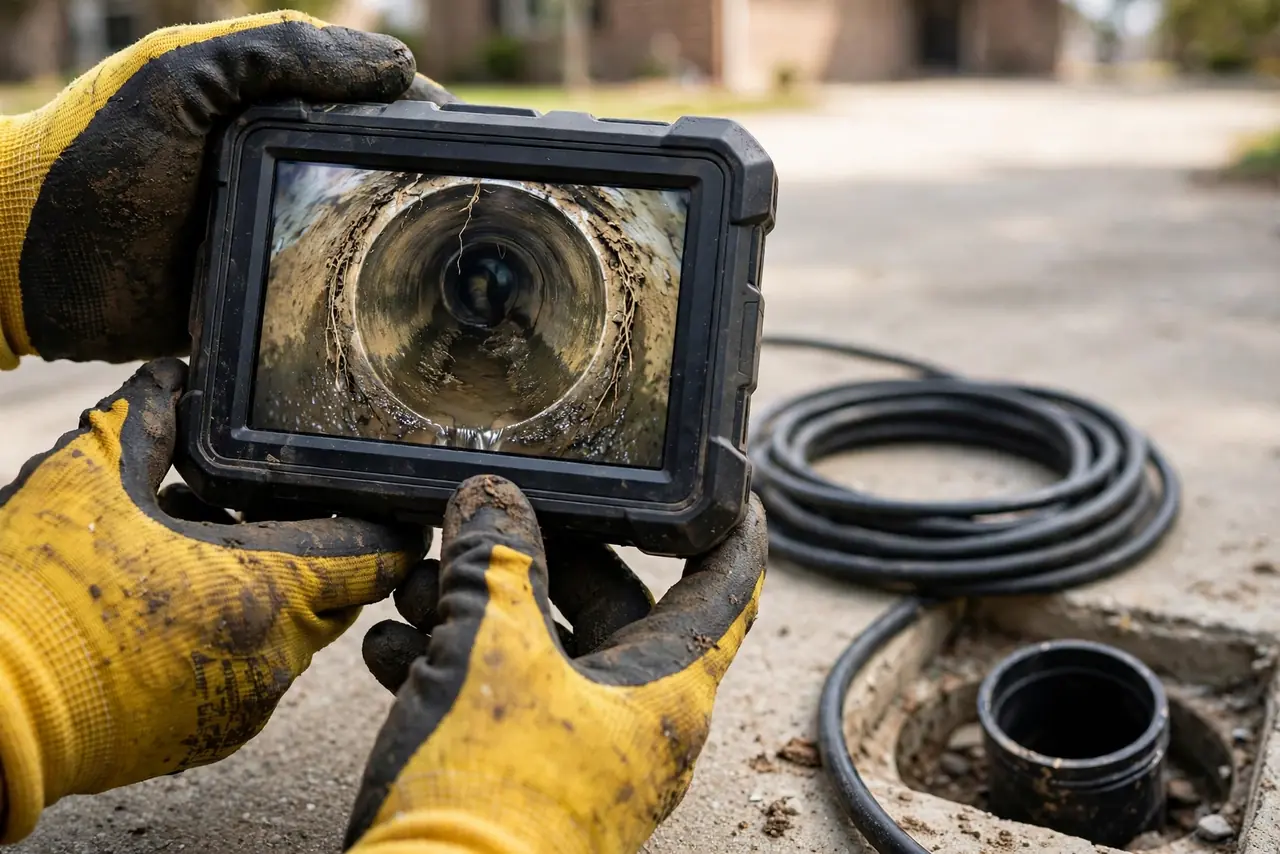
Confirms the pipe route and shows the condition of the line around the leak.
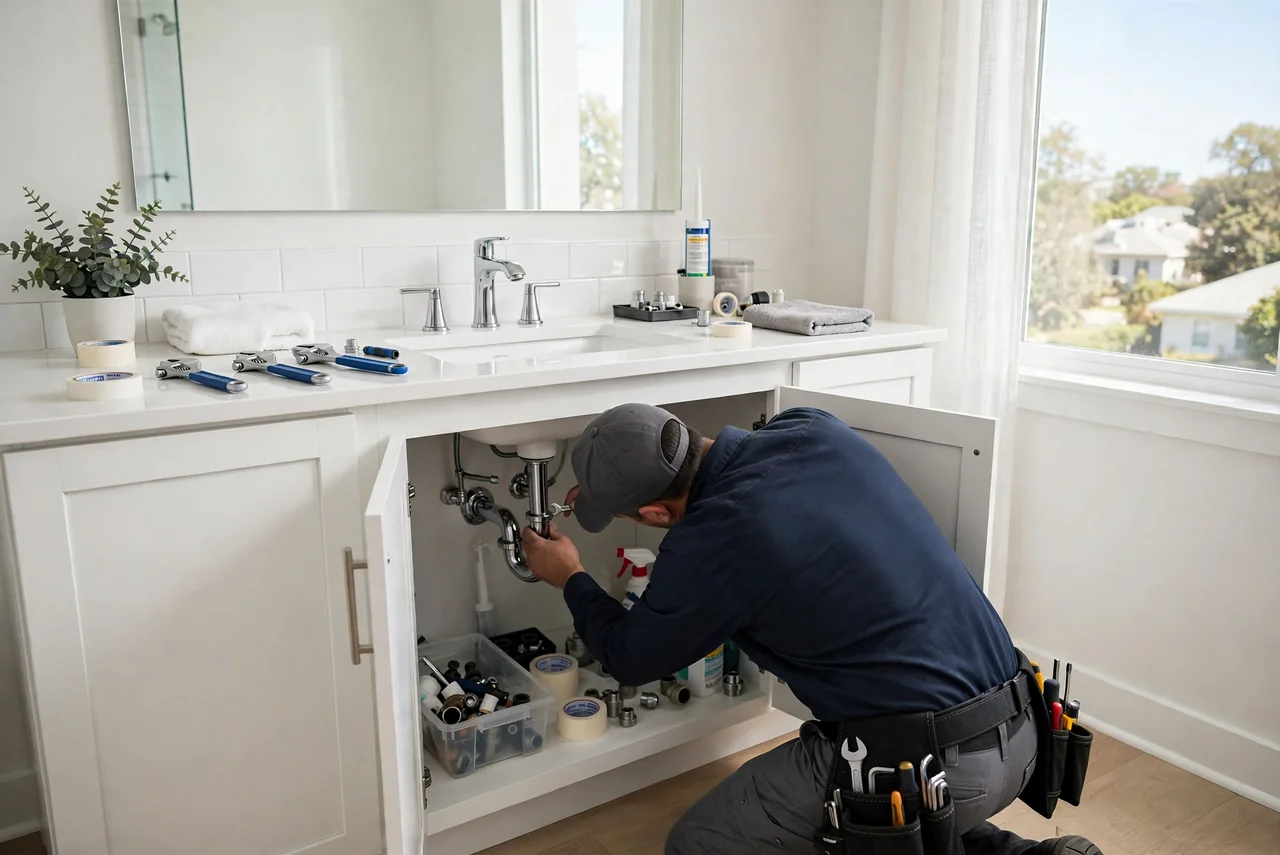
Marks the pipe route and depth so the repair opens the right place.

Finds quiet leaks that acoustic listening misses, especially in plastic lines.
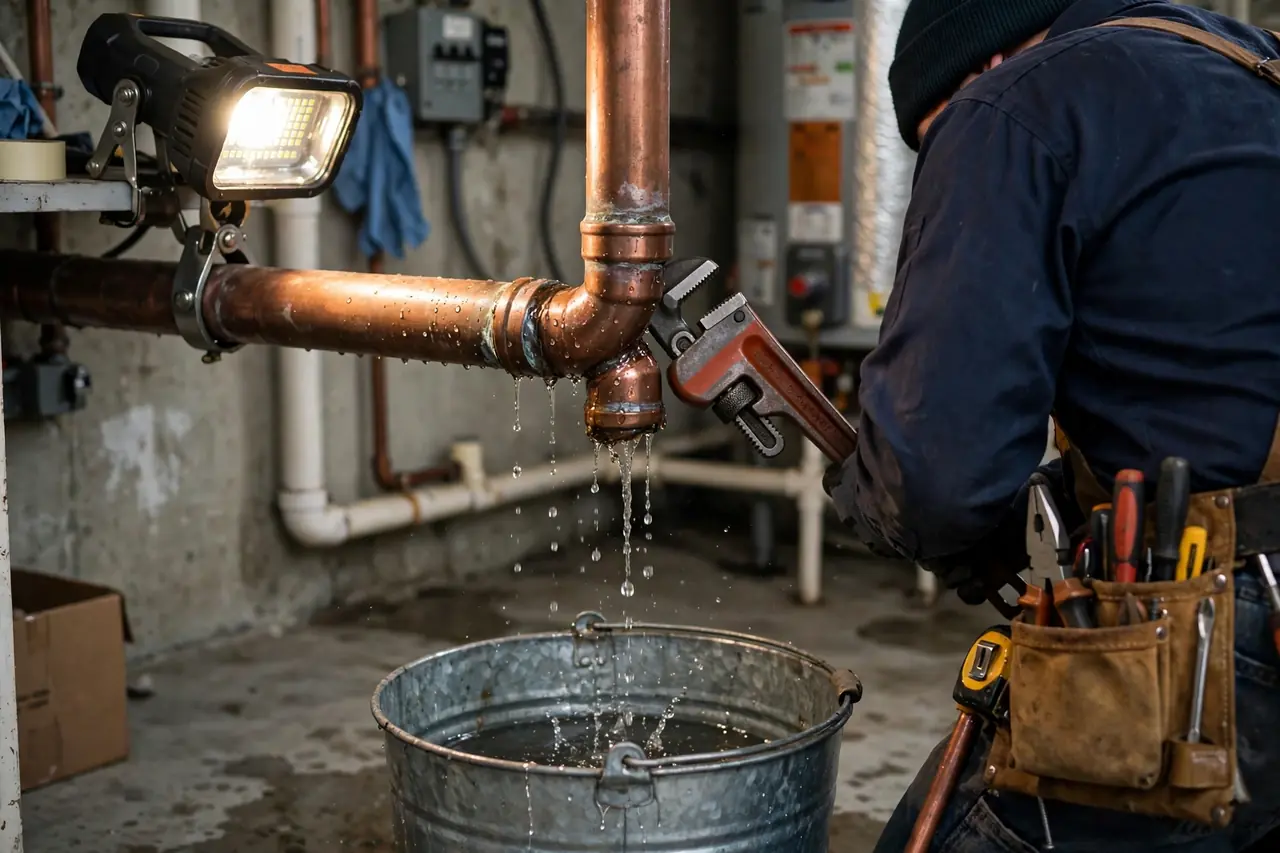
Opens the slab in one place for a spot repair, after the leak is located.
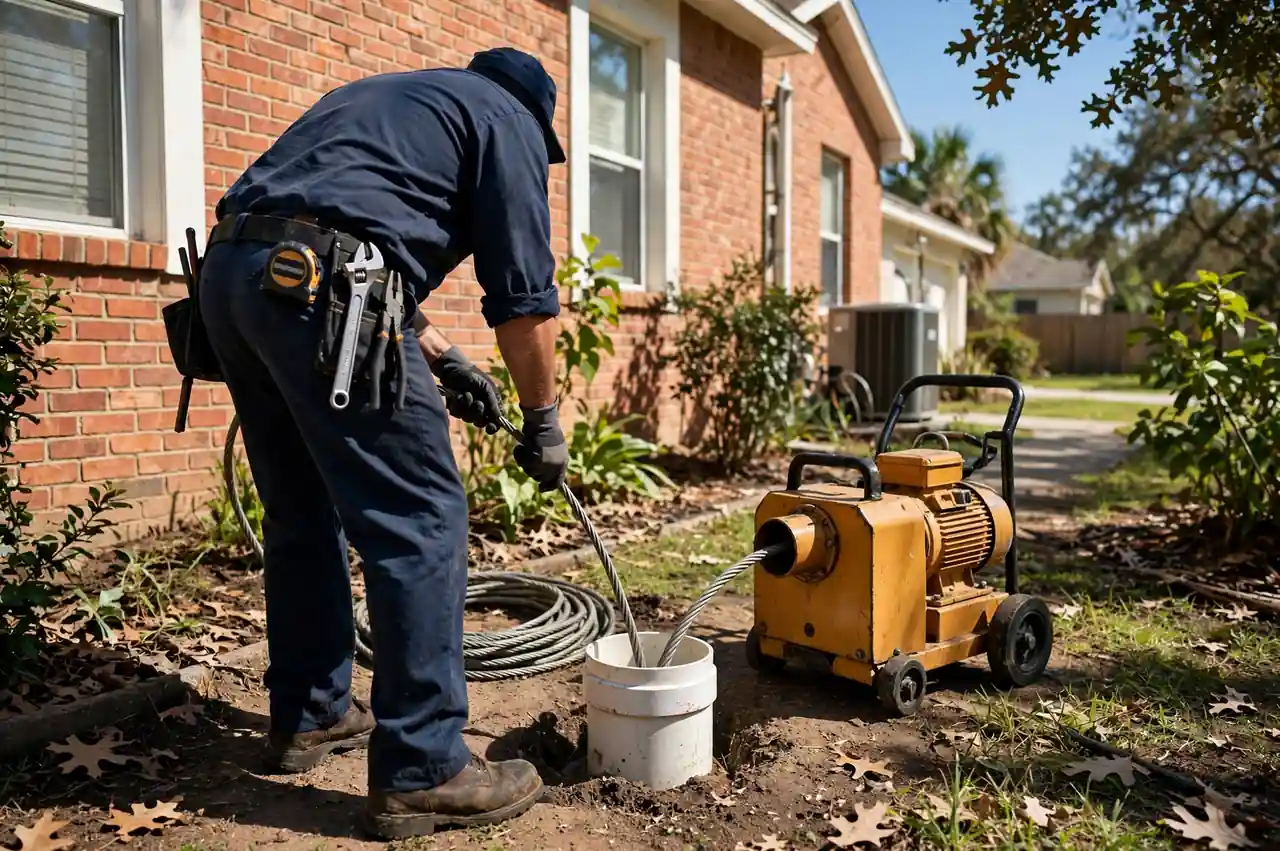
New lines routed overhead through walls and attic, abandoning the under-slab pipe.
The meter kept moving with everything off, and acoustic listening found a hot-line pinhole under the hall. A reroute overhead fixed it without cutting the living-room slab.
Clay shrinkage had flexed the slab and sheared a copper joint. Tunneling from outside reached the leak without opening the floor inside.
Three leaks in different places meant the copper system was tired. A whole-house repipe overhead ended the cycle instead of a third spot repair.
Pressure testing isolated the leak to the cold line, and line locating marked the route. A spot repair fixed the single failed joint.
The slab-leak belt is the 1960s to 1980s copper-under-slab cohort: Sharpstown, Meyerland, Memorial, Spring Branch and Alief. Pier-and-beam homes in the Heights and Montrose do not have slab leaks; their leaks hide under the floor instead.
A homeowner heard water running at night and found a warm strip on the hallway floor. The water bill had climbed sharply over two months, and one plumber had quoted a full slab break-out.
The meter test proved the leak, acoustic listening found the hot-line pinhole, and a reroute overhead fixed it without cutting the living-room slab. The meter stopped moving.
We recommended a pressure check on the remaining under-slab lines, since one pinhole often means more are coming.
A homeowner noticed damp baseboards and a musty smell after a dry summer. The slab had moved as the clay shrank, and a copper joint had sheared.
Tunneling from outside reached the leak without opening the floor inside. The joint was repaired, the line was pressure-tested, and the baseboards dried out.
We documented the detection and repair in writing for the homeowner's insurer.
A family had fixed two slab leaks in two years, and a third appeared under the kitchen. Each spot repair had held, but the copper system was tired.
A whole-house repipe overhead abandoned the under-slab lines entirely. No more concrete cutting, and every new line is accessible.
Spot repair fixes one leak. When leaks keep appearing in different places, repipe is the honest answer.
Most slab leak calls fall into a few categories. Knowing which one you have tells you whether you need a spot repair or a reroute.
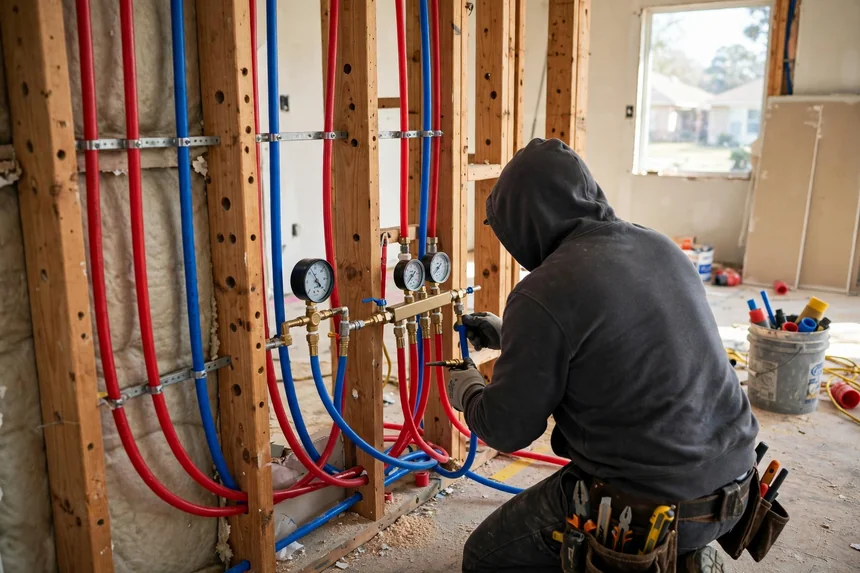
A hot-line leak under the slab. We isolate hot from cold, listen acoustically, and locate the leak before any concrete is cut.
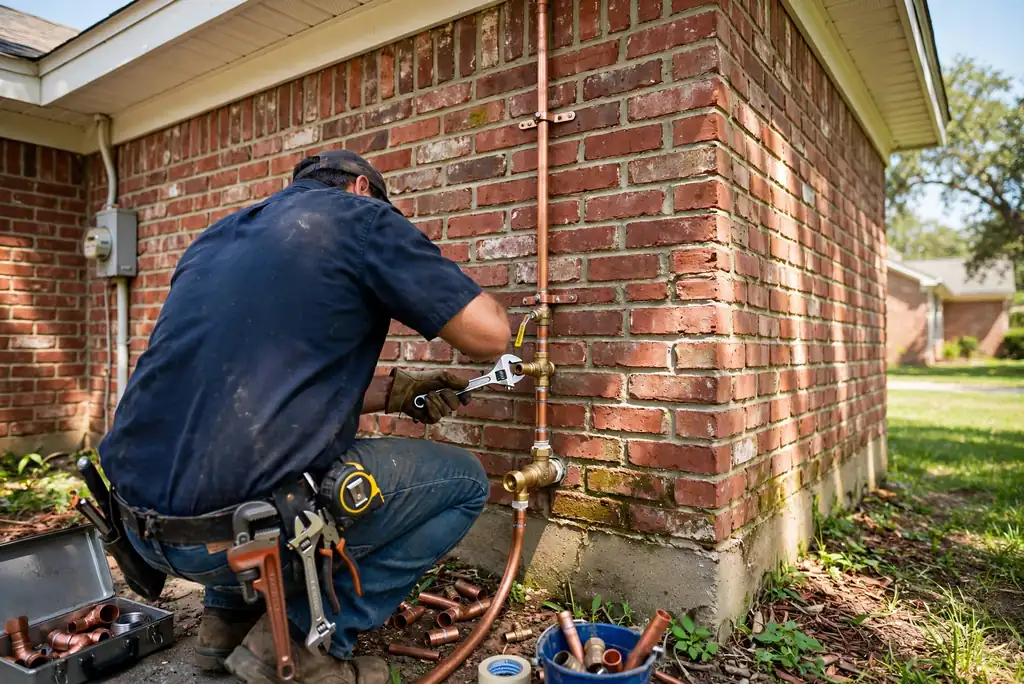
A meter that moves with everything off proves a leak. Pressure testing narrows it to one line, then we pinpoint it.
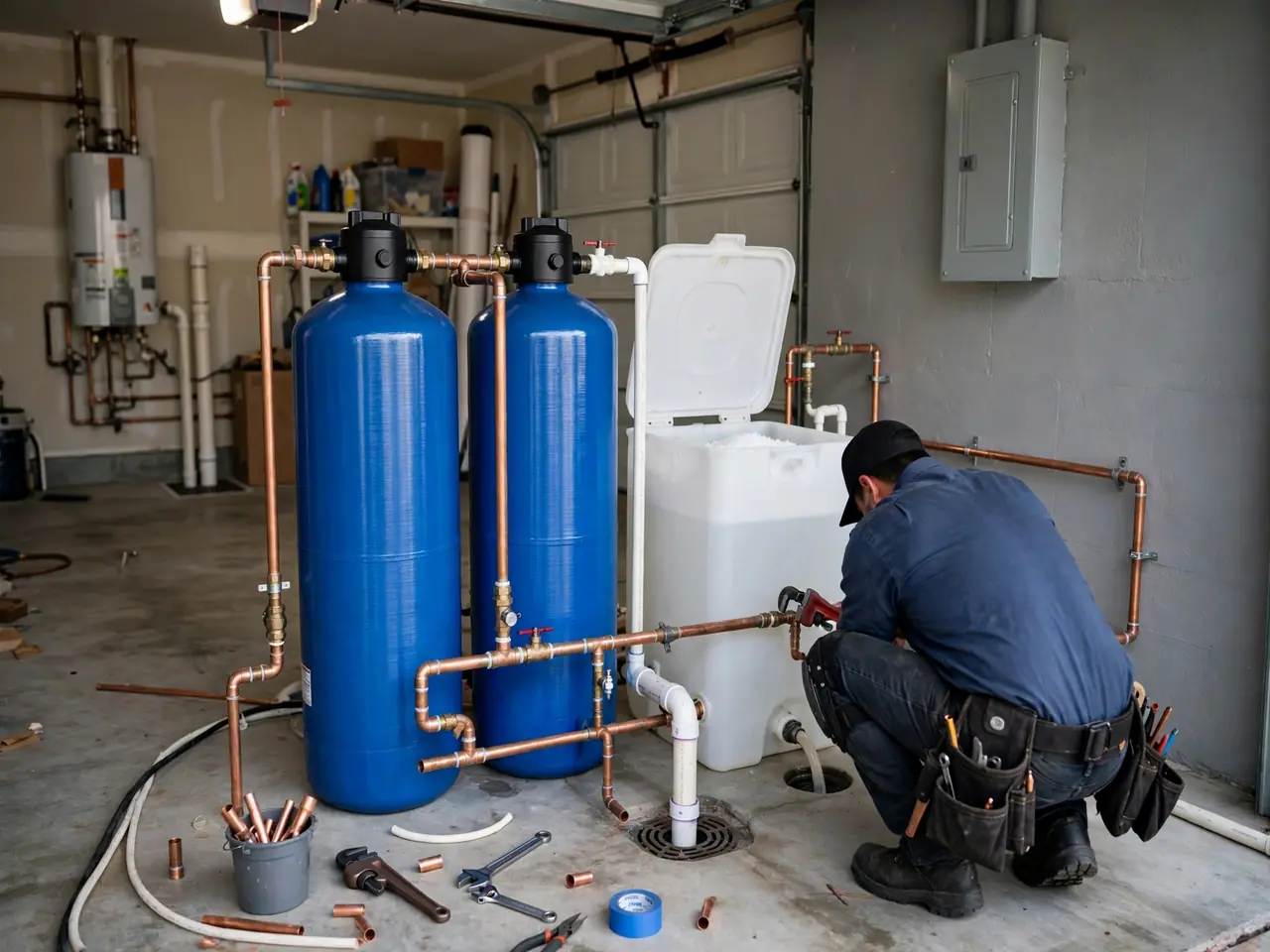
A pressurised leak you can hear but cannot see. Acoustic listening and tracer gas find it without opening the floor first.
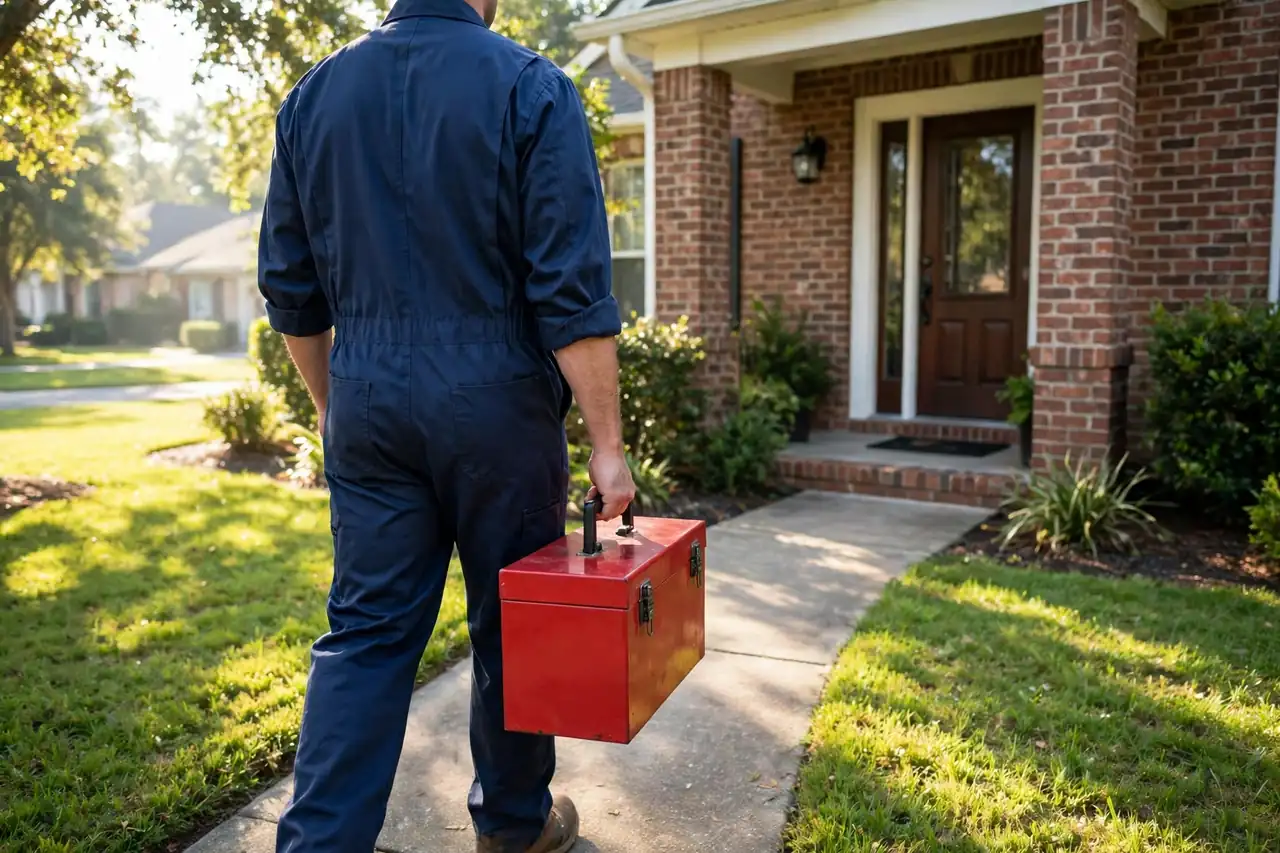
Water finding its way up through the slab edge. We locate the leak, repair it, and document the work for your insurer.
A slab leak can waste hundreds of gallons a day. Finding it fast stops the bill climbing and the damage spreading.
Detection first means the repair opens the right place. We do not cut concrete to look for a leak.
Spot repair, reroute or tunneling, explained with the pipe's condition in front of you, so you choose with the facts.
Written detection and repair records, so you have what your insurer asks for if you claim.
Clear records you can keep and share.
Before and after readings proving the leak is found and fixed
What caused the leak and the condition of the line
The repair tested before we leave
A spot repair opens the slab in one place and fixes one leak. It does not fix a tired pipe. The choice between spot repair, reroute and tunneling is the whole job, and it has to be made on the pipe's condition, not on the day's schedule.
Opens the slab in one place and fixes one leak. Right when the rest of the line is sound.
Abandons the under-slab line and runs a new line overhead. The durable answer on a tired system.
Goes under the foundation from outside, so the floor inside stays intact. Right when the leak is near an outside wall.
Outside these areas? Call and ask if we can reach you. (346) 776-8560
A leak in a water line buried under a concrete slab foundation. Most Houston homes sit on slab-on-grade, so the copper lines run under the concrete, and expansive clay moving beneath the slab shears them over time.
A water bill that jumps with no change in use, a meter that keeps moving with everything off, a warm spot on the floor, or the sound of running water when nothing is on. Any one of these is worth a meter check.
It depends on the pipe. Spot repair opens the slab in one place and fixes one leak. Reroute abandons the under-slab line and runs a new line overhead through walls and attic. Tunneling goes under the foundation from outside. On a systemically tired pipe, reroute is usually the durable answer.
Meter check first, then pressure testing and line isolation to separate hot from cold, acoustic listening with ground microphones, then camera and line locating, and tracer gas for quiet leaks. Cutting concrete is the last step, after the leak is located.
Coverage depends on your policy, and we cannot answer for your insurer. What we can do is document the leak, the detection and the repair in writing, so you have the records your insurer asks for.
Call (346) 776-8560 for a free estimate. We test the meter, locate the leak, and lay out spot repair, reroute and tunneling honestly, Monday to Sunday, 7:00 AM to 10:00 PM.
Call us at (346) 776-8560 to book slab leak detection or repair, or ask a question. We are open Monday to Sunday, 7:00 AM to 10:00 PM, and estimates are free.
The fastest way to book is a phone call. Tell us what is happening and we will give you a free estimate and a time that works, Monday to Sunday, 7:00 AM to 10:00 PM.
Open Mon–Sun, 7:00 AM–10:00 PM. Free estimates.